
Powering a Greener Future
In a time where sustainability is no longer just an option but a necessity, the real estate and financial sectors are uniquely positioned to lead the charge toward a cleaner, more economically sound future.
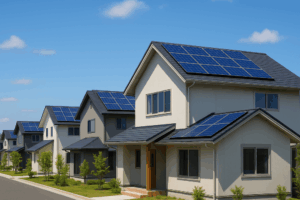
The global shift toward renewable energy is undeniable and solar energy stands at the forefront of this transformation. The benefits are clear —lower energy costs, reduced carbon footprints, and energy independence for homeowners and businesses alike.
Unlocking the full potential of solar integration requires developers and financial institutions to work hand-in-hand, and offer attractive, flexible and secure financing solutions that treat solar as the high-yield investment that it is.
The Synergy of Bankers and Developers
Solar energy systems are tangible, low-risk assets offering homeowners significant savings, developers a competitive edge and banks the security of their investment.

According to a 2024 U.S. study, homes equipped with solar systems sold for an average of 6.8% more than comparable homes without solar and spent less time on the market.
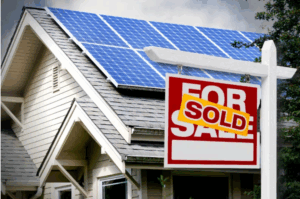
This premium reflects the growing demand for energy-efficient homes and makes a compelling case for developers to include solar in their projects.
Replacing monthly utility bills with solar loan payments of a similar or lower amount allows homeowners to reduce living costs without compromising their lifestyle or financial stability.
With one less major bill to worry about, the likelihood of loan defaults drops significantly.
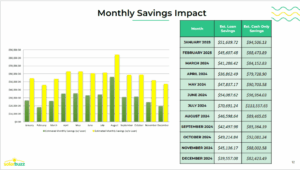
Current data shows that the default rate for green energy loans is less than 1% making homes with installed solar systems a safe bet for banks.
Developers must design and build homes that are solar-ready or solar-integrated and banks need to create green loan products that match this forward-thinking approach.

Debunking Risk Aversion
Solar panels are income-generating assets. A properly installed solar system can save homeowners thousands of dollars over its lifetime and increase property value.
Homeowners can also generate additional savings by selling back any surplus energy to the grid through a Net Billing license.
Modern solar systems that are data-engineered and include online monitoring, extended warranties, and long equipment lifespan are ideal collateral for financing.
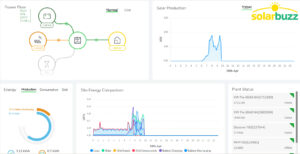
Systems that are GER-certified, professionally installed, and maintained through structured programs reduce lending risk and ensure optimal system performance.
These features allow solar systems to function as secure collateral, much like a home or vehicle, which reduces risk for banks and enables competitive loan rates.
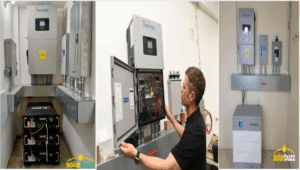
In the rare event of a loan default, the modern design and warranties of solar systems enable easy resale to schools, nonprofits, or existing bank customers.
Solar systems typically have a payback period of 4 to 6 years. For many PAYE employed who are leveraging the new solar tax credit, the payback period shortens.
Banks can further reduce risk by offering incentives to borrowers who apply their tax refunds to their loan balance.
Financing a Greener Future

Banks need to offer financing models that are just as innovative as the solar systems themselves:
- Incorporate solar into mortgages – Include solar systems in initial mortgage financing. Spreading the cost over a longer term makes systems more affordable and reduces default risk.
- Use solar systems as collateral – Given their high quality equipment, lifespan, warranties, and online monitoring capabilities, modern solar systems can serve as loan collateral. This approach protects the homeowner’s equity and reduces risk for lenders.
- Offer competitive interest rates – Secured loans, using the solar system as collateral, should have interest rates below the 15% – 19% that is currently on the local lending market. Lower rates encourage adoption and reduce defaults.
- Bundle EV and solar loans – Reduced interest rates for loans that combine a solar system with the purchase of an electrical vehicle (EV) is a dual investment that amplifies savings for homeowners. Solar energy can power both homes and vehicles further reducing monthly expenses and default risks.
- Leverage Net Billing for non primary residences – Require Net Billing licenses for non-primary residences to enhance their savings and reduce the likelihood of loan defaults.
- Mandate system maintenance – Require active maintenance as a clause in insurance coverage to ensure solar systems operate at optimal levels and protect the loan investment.
The National Housing Trust (NHT) is leading the way with revamped energy loan offerings like the Smart Energy Loan (up to J$2.5M) and Home Improvement Loan (up to J$5M) per contributor as of July 2024.
Banks should follow suit by offering secured solar financing backed by quality systems, long warranties and a maintenance program rather than relying on home liens
Developers, in turn, need access to financing with favorable terms so as to integrate solar into their designs without sacrificing profitability.
The Development Bank of Jamaica (DBJ) through its Credit Enhancement Facility (CEF), provides banks with funds for green energy loans for commercial clients where solar systems serve as collateral. Developers can therefore benefit from DBJ-backed competitive green financing.
Designing for the present
Developers can mainstream solar energy by incorporating it into their designs from the outset. Key design considerations include below:
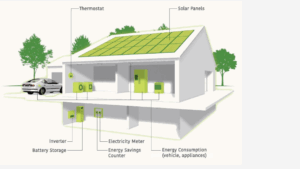
- Roof Space Optimization – Ensure adequate, unshaded roof space for solar panels.
- Proximity to Infrastructure – Position main breaker panels close to designated solar equipment spaces for efficient installation.
- Battery Storage Readiness – Allocate dedicated indoor spaces for battery equipment to support energy storage.
- Pre-Wired Solar Circuits – Install breakers specifically for solar systems
- Solar Expertise and Aftercare Services – Collaborate with certified solar providers for installation and maintenance to ensure long-term system performance and insurability.
Integrating these features increases a property’s appeal and sale value, incentivizing more developers to embrace solar-ready designs.
A Win for All
Solar energy is a transformative investment with proven returns for homeowners, developers, and banks.
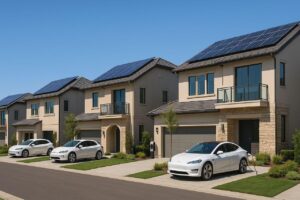
Banks can reimagine their lending practices, recognize the real value of solar systems and attract new customers with competitive green energy loans.
Developers can integrate solar systems into their offerings to enhance property value, accelerate sales, and meet growing consumer demand.

With low default rates, expanding consumer interest, and financial support from institutions like the DBJ, there has never been a better time for banks and developers to align and power a greener future together.
Deidre Wedderburn is the Client Relations Manager at SolarBuzz, dedicated to building long-term partnerships and delivering a top-tier client experience (deidre@solarbuzzjamaica.com).


