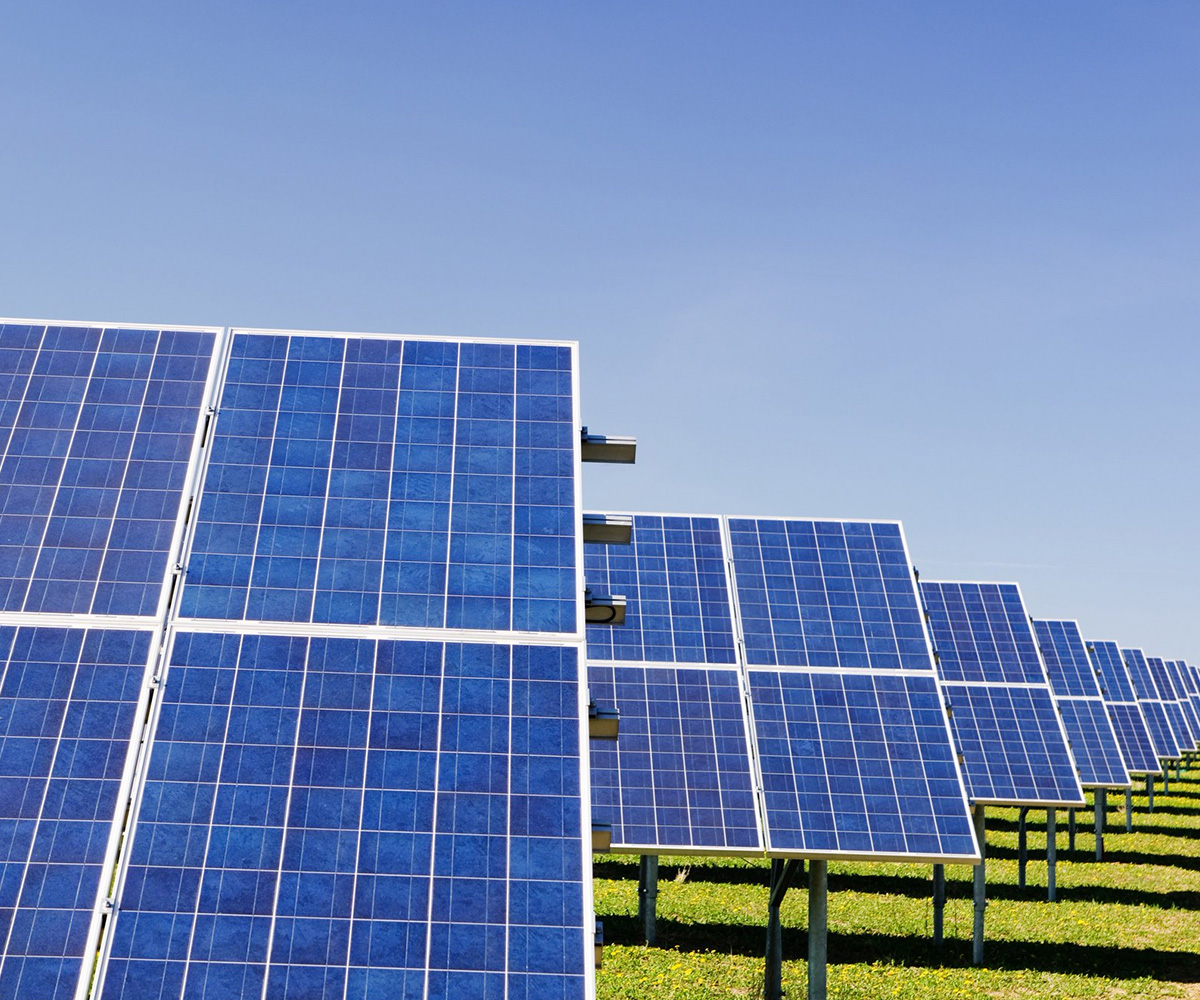
People with rooftop solar panels got their power back almost immediately. The ‘entire neighbourhood benefits’, one resident said.

The morning after Hurricane Melissa tore through Jamaica, Jennifer Hue, a retired tax auditor living close to hard-hit Treasure Beach, woke up to devastation. Her mango, breadfruit and papaya trees were lost, their tops snapped off by 180-mile-per-hour winds. There was water everywhere.

But her roof was intact, and just as importantly, so were the solar panels she had installed two years ago. Most of her neighbors didn’t have electricity. But she did.

Neighbors began stopping by to charge their phones, to take a cool drink from the refrigerator, to message loved ones to let them know they were safe. Ms. Hue is still hosting a cousin and his mother, as well as two medical students from the local university, whose accommodations were damaged.

“The wind was like a tornado, and water came through every crevice,” Ms. Hue said. “But we didn’t lose any solar panels, and the next morning, the sun was shining bright and early,” she said. “We had our power back.”

A small but vibrant market for rooftop solar panels in Jamaica has long been seen as a promising way to wean the nation off imported fossil fuels. The country is reliant on oil and gas from abroad for its power plants, which not only is polluting but also makes Jamaica’s electricity some of the priciest in the world per kilowatt-hour.

But now, solar power is also seen as a way for Jamaica and other nations in one of the world’s most hurricane-prone regions to become more resilient to ever-intensifying storms.

Rooftop solar has grown significantly in Jamaica over the past decade, from less than 1.4 megawatts in 2015 to nearly 65 megawatts in 2023, a significant amount for a small island, experts say. Overall, solar and other forms of renewable energy made up about 10 percent of Jamaica’s power generation in 2023.

The hope is that growth will start to cut down on Jamaica’s dependence on imported oil and liquefied natural gas, which is shipped in tankers to the island nation, at a time when ports, refineries, power plants and transmission lines are becoming vulnerable to extreme weather worsened by a warming planet.

Wide swaths of the country remain without electricity after Hurricane Melissa hit Jamaica as a Category 5 storm last week, killing at least 32 people and destroying an untold number of buildings and homes. “You’re talking about restoring a very lengthy, complex and expensive infrastructure,” said David Gumbs, an expert on energy in the Caribbean at the Rocky Mountain Institute and the former chief executive of the Anguilla Electricity Company.

“With solar, you maintain some ability to continue generating electricity” without relying on hundreds of miles of damaged power lines, he said. “And in the Caribbean context, when the hurricane passes, if I have rooftop solar and batteries and if I can keep my refrigerator running, my entire neighborhood benefits.”

The solar panels must survive the high winds, of course. Jason Robinson, who runs Solar Buzz, an installer based in Kingston, Jamaica’s capital, has been surveying the damage this week, navigating roads on the west side of the island strewed with downed trees and power lines. “With nearly 200 mile-per-hour winds, you’re in the universe’s hands,” Mr. Robinson said.

But so far, none of his nearly 300 clients have reported extensive damage, he said. Panels installed flat against the roof, in particular, fared well. Some rooftop solar owners have taken to removing their panels ahead of strong winds. Many were already back online.

“As long as you install to code, and your roof stays on, you have a chance of surviving extremely long power outages,” Mr. Robinson said. “Resiliency is becoming even more important than lowering your bill.”

Solar panels remain beyond the reach of many Jamaicans, but prices are falling rapidly as Chinese gear floods into the market. In recent years the Jamaican government has also started providing a solar income-tax credit, and banks have begun to offer more financing. Jamaica’s electric utility also now compensates solar households for excess electricity they put back into the grid.

That’s helping Jamaica make progress toward its goal of generating 50 percent of its electricity from renewable sources by 2030.

Annabelle Todd manages an oceanfront guest villa on Treasure Beach, where two dozen panels and battery storage were installed two-and-a-half years ago. The panels survived, apart from one that was punctured by flying debris. She had electricity and air-conditioning the morning after the storm, much to the envy of her neighbors.

The system wasn’t cheap, costing about $30,000. But it has virtually eliminated electricity bills that used to top $1,000 a month, because her guests “would run that A.C. morning and noon and night,” she said. “Honestly, we could pay it off in two, three years,” she said.

More than that, not losing power has been a relief, she said. It’s the second year in a row that the seaside community, known for its black sand beaches, has been ravaged by a hurricane.

“Now everyone who runs villas here wants solar. I already see solar suppliers driving up and down Treasure Beach,” Ms. Todd said. “They got hit two years in a row, and they’re not going to fool around anymore.”

Twila-Mae Logan, deputy executive director of the University of the West Indies’ business school, spent about $20,000 to install panels at her Kingston home two years ago. The capital was spared the worst of Hurricane Melissa, but even then, her neighborhood lost power, making her home one of the few with electricity. Ahead of the storm, her brother and her niece rushed to her home to store food in her freezer so it wouldn’t spoil.

“We’re a third-world country and our government is significantly under-resourced, but I really do think our government has put some fair degree of priority behind solar,” she said. “Most people would go solar, save for the expense.”

Leaders across the Caribbean have demanded more financial assistance from the world’s rich countries to help Jamaica contend with the consequences of climate change. Caribbean island nations will suffer the most from climate change, despite being least responsible for the greenhouse gas emissions that are warming the world, they say. The International Monetary Fund says the region requires about $100 billion in economic investment to build resilience to climate-fueled disasters.

Ms. Hue, the retired tax auditor, doesn’t expect to quickly make back the tens of thousands of dollars she paid for her solar panels in 2023. But “it was never about that,” she said. “It was about having very reliable power, and having peace of mind.”

“We were just fortunate to have the sun out the next morning,” she said.

The New York Times
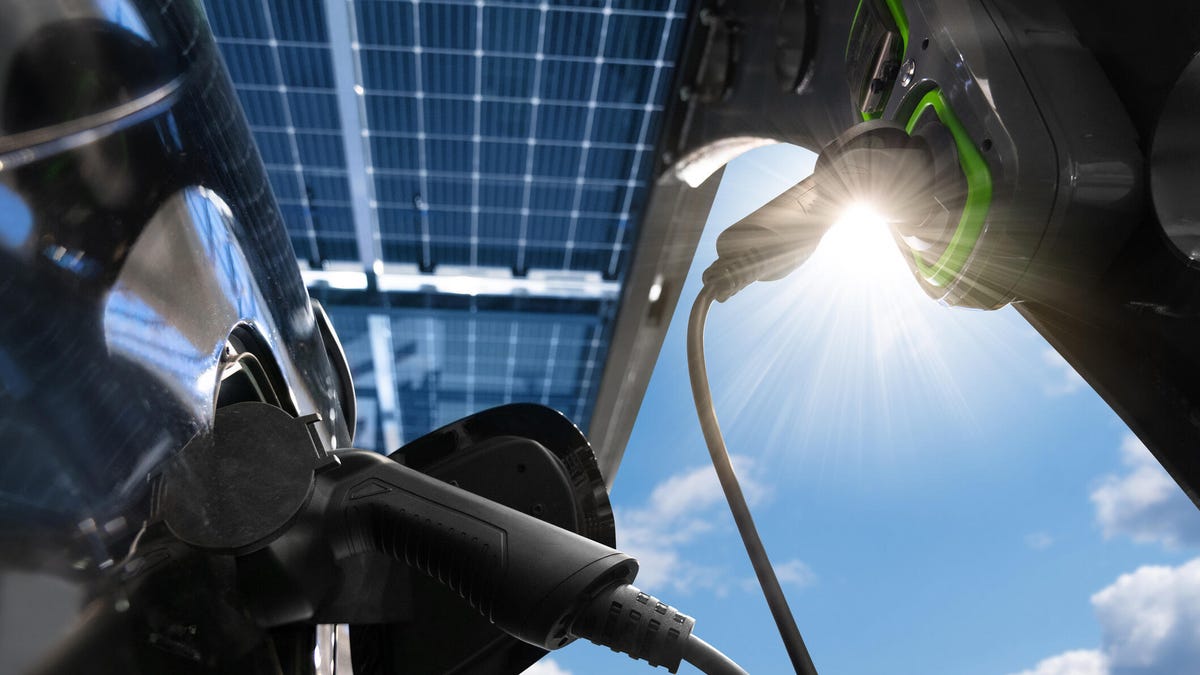
In order to make your EV green-energy approved, you’ll need to charge it using a renewable energy source. Solar panels are one way to accomplish that.

Close up view of an EV charging using a solar car port
Charging your electric car at home will only increase your electric usage unless you add another renewable energy source, such as solar panels, to offset it.

For the eco-conscious EV driver, an electric vehicle is only as clean and green as the source of electricity charging its battery.

That’s because EVs plugged into the grid can either be powered by “dirty” sources such as fossil fuels such as coal, or from “clean” renewable energy that comes from sources such as solar, hydro or wind power. With many utilities, it’s likely to be a mix of renewables and fossil fuels. The best way to ensure your EV is actually powered by renewable energy is to connect your home’s EV charger to a solar energy system or use a public charger also sourced by solar panels. 

With spiking gas and electric prices and an intensifying climate crisis, it’s no wonder the solar and electric vehicle industries are gaining in popularity each year.  Rooftop solar panel installations are breaking records, and US EV adoption is expected to accelerate — predicted to reach 40% of passenger car sales by 2030, according to the US Bureau of Labor and Statistics

Forget the statistics, it’s in plain sight and we can’t ignore it. EV charging stations are becoming the norm, automakers are making headlines as they invest in new EV technology, and rooftop solar panels are also becoming commonplace to see. 

Even with the upswing in EVs and home solar systems, switching from a combustion car to an electric vehicle, however, can be a complicated decision with considerations conventional car drivers don’t have to worry about, like installing a charger in your garage. Adding solar panels to the equation adds even more layers of complexity to an already significant investment.

Here’s what you need to know about powering your home and EV with solar panels and how many you’ll need if you do.  

Why use solar panels to charge an electric vehicle (EV)? 

There are some less obvious benefits to home solar charging in addition to watching free, clean electrons pulled from the sky streaming into your car’s battery. 

Most home EV chargers treat your car like any other appliance that needs to be plugged in and charged overnight. Actually, it’s more like a quite needy appliance that requires a particular current (DC) and lots of it as quickly as possible, which can mean operating at high voltage. 

All of this increases strain on the grid and can add a load to your home’s electrical system, especially if your wiring is older or in need of upgrading. In the worst cases of neglect or poor electrical work, it can even be dangerous. 

Using solar panels to charge an EV actually streamlines the charging process because both systems speak the same electrical language, in a way. 

As Wyldon Fishman, founder of the New York Solar Energy Society, explained, solar panels and electric vehicles both operate with direct current (DC), meaning there’s no need to install an inverter between your panels and EV, although a charge controller is still imperative to have in the circuit. DC can also run at lower, safer voltages. 

Relying on solar panels rather than the grid to charge your electric vehicle also means not having to worry about being stuck at home with a dead battery if the power goes out, especially if you opt to pair your panels with a battery or other solar storage. 

Home electricity scheme with battery energy storage system on modern house photovoltaic solar panels and rechargeable li-ion backup. Electric car charging on renewable smart power off-grid system.
A home’s energy set up could consist of solar panels, battery storage, inverter and an EV charger. Depending on the consumption, size, efficiency and how many panels you get, this equipment could accommodate all or some of this home energy production.  – Getty
How much energy is needed to charge your EV at home?

First, consider your goals for your solar charging system. Do you want to charge your car using your solar panelsand will you primarily be charging overnight? If so, you’re going to need to install a battery or other storage system. 

In most cases, you’re likely to have a solar system that’s hooked into the grid as well as your home, perhaps with a connected battery for emergency backup, or not. 

If this is your scenario, it could be helpful to know how much of your existing solar output the rest of your home is consuming. If you never pay a utility bill or your utility bill is primarily for nighttime or cloudy days (when your solar panels aren’t at work), this means your existing solar system is probably producing more than you need and the extra is being fed into the grid or a battery or both. Some of this excess energy could be used to charge your EV, meaning you will need fewer solar panels to drive a fully solar-powered car. 

Once you’ve got an idea of whether you’re running a solar surplus, the next step is determining how much additional demand an EV will add to your system. 

How many solar panels will I need to charge just my EV?

First, consider how much you typically drive in a day. Put simply, the more you drive, the more wattage you’re likely to need in panels. 

Here’s the steps to figuring out how your average daily energy needs to power an EV. 

Step 1. Determine how many kilowatt-hours your EV uses per mile. The EPA and US Department of Energy’s fueleconomy.gov site lists the estimated efficiency of all electric cars in kWh per 100 miles; simply divide by 100 for a per-mile estimate.

Step 2. Multiply your EV’s kWh/mi by the number of miles you anticipate you drive on an average day. (You can get your average daily miles by observing your driving habits for a few days or by dividing your annual observed mileage by 365). This gets you the total number of kilowatt-hours you’ll need to produce to power your daily driving.

Step 3. You can then divide the EVs needed kilowatt-hours by the number of peak sun hours you can expect to receive at your location each day. 

Step 4. The final figure should give you the size of your ideal EV-charging solar array in kilowatts.

Step 5To calculate the number of panels you’ll need, the wattage of the solar panel comes into play. The most efficient solar panel wattage can range from 370 to 465 watts. After you choose your best solar panel brand, convert the panel wattage of the panel to kilowatts by dividing by 1,000.

Step 6. Final math is to divide the EV kWh requirements by the solar panel efficiency in kWh to get the number of panels needed to charge the EV. 

The formula:
  1. kWh/mi for your EV x average miles driven in a day = total kWh production for the EV 
  2. Total kWh production needed for EV / local peak sun hours = size of ideal solar system (in kW)
  3. Convert the solar panel wattage of the brand of choice to kilowatts by dividing by 1,000. 
  4. EV production needed (in kWh per day) / panel efficiency (in kWh) = number of solar panels needed
Example math: 

Take the example of the Hyundai Ioniq 6, the most energy efficient electric sedan on the road today:

Step 1. According to fueleconomy.gov, it averages 24 kWh/100 mi or 0.24 kWh/mi

Step 2. We’ll also use the EPA’s average mileage estimate of 15,000 annual miles, which works out to around 41 miles per day

Step 3. 0.24 kWh/mi x 41 miles = 9.86 kWh daily power EV usage

Step 4. 9.86 kWh / 4 peak sun hours = 2.4 kW  (This is how much solar energy in kW you will need to charge your EV). 

Step 5. We will use a solar panel wattage of 410W, such as the Q.PEAK Duo Black from Qcells, to calculate the number of panels needed for the Hyundai Ioniq 6. Convert the 410W to kilowatts by dividing by 1,000 (0.41 kW). 

Step 6. EV production needed to charge the Hyundai Ioniq 6 (in kWh per day) / energy needed per Q.PEAK Qcells solar panel) = number of solar panels needed. 2.4 kW / 0.41 kW = 5.85 solar panels

In this example, six Qcells solar panels are needed to accommodate the energy needs of the Hyundai Ioniq 6 with average driving habits. Six Qcells solar panels don’t accommodate the rest of the home’s energy consumption. 

Meanwhile, at the other extreme, dropping the Ford F-150 Lightning‘s 48 kWh/100 mi into the same formula yields a daily energy use of 19.68 kWh and a 4.9 kW solar requirement, doubling the Qcells solar panels needed to 12 panels. 

If that’s too much math, Fishman simply recommends putting around  eight to 12 solar modules on a canopy that you can use as a solar carport

“It’s about 2.5 kilowatts that you need for a canopy. You might go a little more, but that’s all you need,” Fishman said.

We’ve seen others in the industry put the figure at closer to 3 kW, but if you’re unsure, you can run through all the math for your situation. 

How many solar panels will I need to power my whole home?

This basically comes down to figuring out your home’s total energy needs and then designing a solar array that can meet those needs. 

To calculate how many solar panels your home will needDesired energy production (kW) / Solar panel wattage (kW) = Number of solar panels needed

There’s a lot of things to consider to determine both sides of this equation, and CNET goes into further detail on the subject here. Adding EV chargers to your home simply means adding more energy use to both sides of the equation. 

Most reputable solar companies will help you work out your energy needs and propose a solution that they will surely be willing to install for you. But doing the math on your own as well can help you make the most informed choice when it comes to picking an installer and assisting in designing a system that meets your needs best. 

Don’t forget that there are other things you might want to do before even beginning to consider solar for your home. Making energy efficiency improvements can go a long way toward shrinking your overall needs and thereby shrinking the size of the solar system you require.  

Is it worth it to add more solar panels to accommodate an EV?

Adding more panels to your existing solar system or to one that you’re planning is one way to power all your home’s energy needs, including your EV. But it isn’t necessarily the only way to charge your EV.  You can also build a stand-alone off-grid system that’s dedicated to just your car. 

Fishman recommends building a carport topped with solar panels at just the right tilt to get a good amount of sun on average, based on your location on the globe. 

“A carport is fixed at latitude,” she explained. “So if you’re at 42 degrees above the Equator, then your tilt for your solar modules is 42 degrees.”

Which comes first: A solar panel or EV purchase?

If you’re dedicated to renewable energy and kicking fossil fuels to the curb, it makes sense to have your solar system all setup before you spring for the EV so you never have to worry about charging your car from dirtier energy sources that mix with renewables on the grid. 

But the reality for many people will be that an EV and home solar energy are two very costly investments. A car or EV tends to be a personal purchase that we spend a lot of time in, whereas energy is a readily available commodity that we tend to think about less. So it wouldn’t be surprising for people to prioritize a flashy new EV over adding solar panels to a home that already has access to electricity via the grid. 

Ultimately, it comes down to your priorities and your situation. Maybe your utility is good about incorporating solar into its energy mix via its own solar farm systemsrenewable energy credits or offering a community solar program. If so, you might have fewer qualms with plugging in your car at night, no matter how many panels are on the roof.  

CNET

Marubeni says old power plants to be replaced by renewables
Executives from JPS shareholder Marubeni commit to replacing its aging power plants with renewable energy plants in the next two years. The Marubeni executives made the commitment in a recent meeting with Prime Minister Andrew Holness.

arubeni Power International has now confirmed that renewables have been chosen to replace old fossil fuel-fired power plants at Rockfort and Hunt’s Bay in Kingston. The company made the revelation about the choice after making the commitment to the Government to align the company with the objective of having 50 per cent of power generated in Jamaica coming from renewable sources by 2030, during a recent visit.

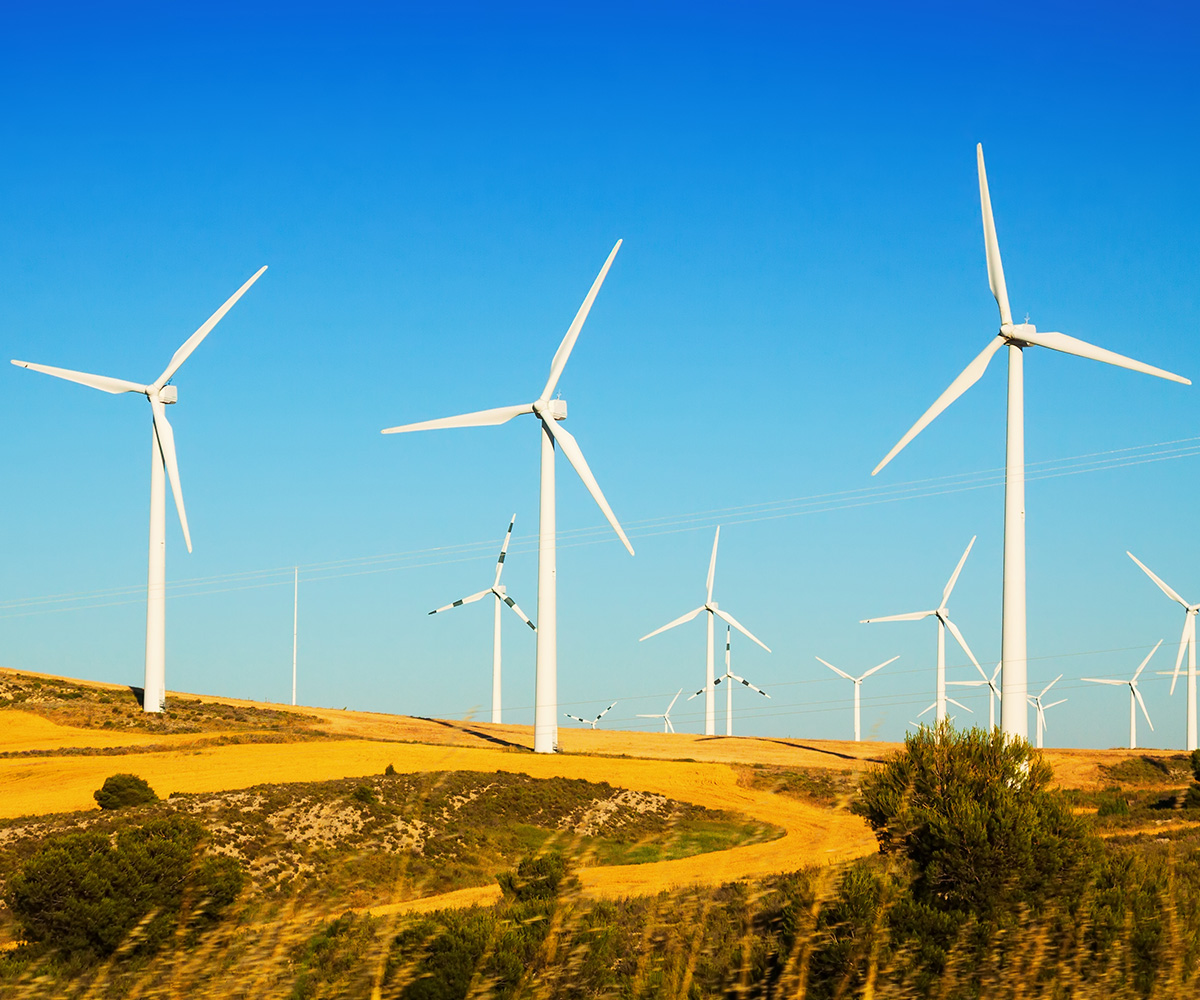
The two power plants are expected to be shutdown starting in the next two years, and the Jamaica Public Service (JPS), based on its licence, has the right to replace generating capacity it already owns and will be spending US$500 million to replace those plants with renewable energy. It will be looking to develop projects which together will replace 171 megawatt entirely with solar and wind energy.

“In the next two years or less, some of the plants are going to be shutting down and have to be replaced, and the replacement the Government indicates to us has to be renewables,” Damian Obiglio, senior vice-president, Marubeni Power International and chairman of JPS, told the Jamaica Observer in an interview Tuesday. He added that the investment will also include battery storage to ensure power remains available when the sun is not shining or when the wind dies down.

The confirmation comes long after it was first indicated that the JPS would be replacing the old power plants with renewable energy. Daryl Vaz, Jamaica’s energy minister, earlier this year told the parliamentary committee reviewing the Electricity Act that renewables would be the replacement power source, but a check with the JPS then revealed that the issue was not finalised as yet.

Marubeni says it will be working with its partners to spend US$500 million to replace 171MW of fossil fuel-generated electricity with solar and wind solutions in the next two to three years.

“JPS is in the final stages with the Government about how much battery, wind and solar power,” Obiglio added in the interview with the Business Observer. He said it is expected that 60 per cent of the investment, or US$300 million, will be spent on batteries to store power for future use. Of the US$200 million left to build the farms, he said US$160 million will go to solar farms while the other US$40 million will be invested in wind energy solutions.

“These are different investments from the other renewable investments the Government is seeking. This is the JPS just replacing existing capacity which is about to come off line with renewables,” Obiglio stressed. He said the Government indicates that it would prefer the battery farm to be somewhere in the Corporate Area where demand is greatest, either on Spanish Town Road or at its old plant at Hunt’s Bay.

“In the case of renewables, the Government have indicated a strong preference for the farms to be in the eastern end of Jamaica — the St Thomas area and the Portland area — while some of the plants may be set up in Clarendon.”

The company added that it is awaiting further directives and stand ready to cooperate as soon as the plans are agreed upon.

Just recently, executives from Marubeni Corporation and Marubeni Power International visited Jamaica in demonstration of their ongoing commitment to the country and to being an investment partner in the nation’s growth.

In the island for a one-day visit were Satoru Harada, Chief operating officer, Power Division of Marubeni Corporation and Yukio Konishi, senior vice-president, Marubeni Power International.

They paid a courtesy visit on Prime Minister Andrew Holness at the prime minister’s office, where Harada spoke to the significance of Marubeni’s investment in Jamaica and pledged to continue to partner with the Government in supporting economic growth through efficient and sustainable energy generation.

Marubeni, a major shareholder in JPS, also has interests in the 194-MW capacity power plant operated by South Jamaica Power Company, located in St Catherine.

Currently, JPS has two major investors: Marubeni Corporation and Korea East-West Power, and each holds 40 per cent of shares in JPS. The Government of Jamaica, through the Development Bank of Jamaica, holds the remaining 19.9 per cent while the remaining less than 1 per cent is held by private shareholders.

Jamaica Observer