From Compliance Requirement to Revenue Strategy

From the CEO’s Desk

The requirement to obtain a Net Billing licence is often viewed as an administrative condition that adds cost and complexity to what is otherwise a straightforward investment in renewable energy, or as a consideration relevant only to commercial solar owners.

For many residential clients, it has been treated as optional at best, and an inconvenience at worst
Whether or not the process to obtain a licence evolves, the more immediate and practical question is how it should be interpreted today.

  A more strategic framing is to treat the Net Billing licence as an enabling instrument that unlocks multiple, concurrent value streams.

At the first level, it creates the ability to monetise surplus generation through energy export,  introducing a recurring income component that extends the investment’s return well beyond standard bill savings. At the second level, the licence provides access to the government’s solar tax incentive, which can return up to 30% of system value. This alone represents a meaningful capital recovery mechanism, directly reducing the net cost of the installation. 

Considered together, these two value streams do not merely improve the economics of solar ownership. For the right client profile, they restructure them.

The profiles where Net Billing is most compelling are those where the gap between solar generation and on-site consumption is widest and most predictable.

These profiles are homeowners whose properties are unoccupied during peak solar hours, and owners of vacation villas or guest properties where solar systems continue generating through extended periods of vacancy. For both profiles, a licence converts surplus energy from an invisible loss into a measurable, recurring credit. 

The question worth examining is not whether Net Billing makes financial sense. The question is whether you can afford to leave that value unclaimed.

A Client Case Study

Consider the profile of one of our residential clients, a PAYE-employed homeowner with a 9.9kW solar PV system with battery storage. The property is unoccupied from approximately 8:30am to 5:30pm on weekdays, precisely the window of peak solar generation. The system produces an estimated 32.58 kWh per day.

During those working hours, on-site electrical load is minimal: refrigeration, standby appliances, and baseline consumption account for roughly 5 kWh across the solar window. The battery bank (32.16 kWh capacity) draws the next 6 kWh of surplus to cover evening and overnight consumption.

What remains, approximately 21.6 kWh per day, is surplus generation currently going to waste, produced by the system but yielding no financial return to the client. Over a month, that represents some 647 kWh of untapped energy.

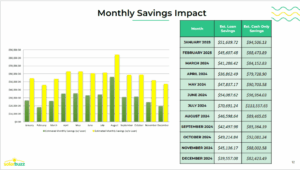
With a Net Billing licence, JPS purchases that surplus at the prevailing NB rate, approximately J$23.17 per kWhe at current tariffs. The result is a monthly sell-back credit of approximately J$15,000, or J$180,000 annually. That figure is material on its own. But it must be considered in full context, which means accounting for the cost of obtaining the licence itself.

Quantifying the Investment

Solar Buzz manages this process in full on behalf of clients.

For a residential system of the scale featured in this case study, the total cost of acquiring a Net Billing licence, inclusive of our coordination fee, runs to approximately J$242,000.

Against an annual sell-back income of J$180,000 at the prevailing NB rate, that cost is recovered in approximately 16 months. From that point forward, the sell-back income is net gain, recurring year after year, for the life of the system.


ALL-IN LICENCE COST

~J$242,000

Includes Solar Buzz handling fee

COST RECOVERED IN

16 months

At ~J$15,000/month sell-back income

10-YEAR NET RETURN

J$1.56M

After all acquisition costs deducted


Viewed as a standalone investment decision, setting aside the tax credit entirely, the Net Billing licence on this client’s profile delivers a 10-year net return of J$1,558,031 on an outlay of J$242,000. That is not a marginal improvement to their solar investment. It is a return that stands on its own terms.

  But it is not the ceiling. It is the floor.

The Solar Tax Credit: What the Licence Makes Accessible

The Government’s solar income tax credit allows residential Net Billing licence holders to recover up to 30% of their solar system’s value. For PAYE-employed individuals, this is returned as a direct cash refund, subject to the tax payable in the year of claim, which will determine how much is recovered and over what period.

Each client’s position will differ, and the full entitlement may be realised in a single year or drawn across successive claims depending on individual tax circumstances.

What is consistent across qualifying clients, however, is the scale of the opportunity.

On a residential solar system, a 30% tax credit represents a substantial capital recovery that directly reduces the effective cost of the installation and materially improves the investment’s return profile.

In the case of our featured client, that potential recovery alone is nearly five times the cost of obtaining the Net Billing licence that makes it accessible.

  The Net Billing licence does not cost money. For a qualifying client, it returns it, substantially, and before a single month of sell-back income is counted.

When recurring sell-back income is considered alongside that capital recovery, the combined financial case for a qualifying residential client becomes compelling on multiple fronts simultaneously. The Net Billing licence is the condition of both value streams. Without it, neither is accessible.

Where Surplus Becomes Most Valuable 

For owners of vacation villas or guest properties, the Net Billing opportunity is structurally larger  and the case for obtaining a licence is correspondingly more compelling. A solar system installed on a property designed for intermittent occupancy will, by definition, generate surplus for significant portions of the year. 

  The off-season months, the weeks between guest bookings, and the extended periods when the property sits quiet all represent intervals of generation that a Net Billing licence converts into credit while the owner is elsewhere.

The financial logic compounds further when the property can be registered under a business name.

At the residential level, Net Billing is currently permitted for systems up to 10kW. Under commercial registration, that cap is removed entirely, opening the door to larger installations and proportionally greater sell-back surplus.

JPS also applies a more favourable buy-back rate to commercial accounts than to residential ones, and commercial customers are billed at a single energy rate rather than the two-tier residential structure. 

For villa owners for whom commercial registration is a viable option, the combined effect of a higher buy-back rate, a removed system cap, and a simplified billing structure can materially change the financial profile of their investment.

A vacation property registered under a business name, equipped with a solar system and a Net Billing licence, is not merely an asset that saves on electricity. It is an asset generating recurring energy income. Income that accrues whether guests are present or not, and that scales with the size of the installation rather than being capped by residential limits.

Net Billing and the Lending Assessment

There is a dimension to this analysis that extends beyond the individual solar client, and it warrants direct attention from the financial institutions that fund these investments.

Solar loans are typically assessed on the basis of bill savings against repayment obligation. That is a reasonable starting point, but it is an incomplete one for clients who are eligible for Net Billing. 

  A borrower with a Net Billing licence is a client with a contractually structured, recurring income stream from energy export.

The case for incorporating Net Billing licence costs into the loan structure itself follows directly. The licence fee is not consumption expenditure. It is the upfront cost of an instrument that generates measurable, ongoing returns, returns that improve the borrower’s financial position and, by extension, reduce the lender’s exposure to default risk.

A loan assessed with Net Billing projections included is a more complete and more accurate assessment than one which treats the borrower’s energy income as an afterthought. 

For clients who also qualify for the solar tax credit, the staged capital recovery that the licence unlocks further strengthens the lending profile in ways that a standard solar appraisal does not capture, reducing effective investment cost over the claim period and improving the borrower’s overall financial position relative to the loan being serviced.

At Solar Buzz, we prepare and include Net Billing cost projections in our proposals for qualifying properties, modelling expected sell-back income against the client’s load profile and occupancy patterns.

These projections are structured to be directly usable within a financing application. Lenders who wish to incorporate this into their credit assessment process are encouraged to engage Solar Buzz directly.

A Matter of Profile

Net Billing is not appropriate for every installation. 

Where post-installation load is expected to increase significantly, or where on-site consumption consistently absorbs the full system output, the surplus available for sell-back may not justify the licence cost.

The value of a proper assessment lies precisely in that determination, replacing assumption with a projection grounded in actual load data.

For clients whose profile does align, such as working-hours-absent homeowners, seasonal property owners, villa operators with meaningful periods of vacancy, the Net Billing licence is not a procedural add-on. It is the decision that transforms the financial character of the investment. 

  The Net Billing licence does not merely reduce a bill. It restructures a return.

One practical consideration worth noting: the process of obtaining a Net Billing licence is currently undergoing a revamp that is expected to make it considerably more straightforward, potentially reducing the timeline from months to weeks. That simplification is anticipated within the next six to twelve months. 

The decision each qualifying client faces in the interim is whether to begin the process now or wait for the easier pathway. For those whose profile aligns, the answer may lie in the arithmetic. 

In the case of the profile featured in this article, approximately J$15,000 in monthly sell-back income means each month of delay carries a measurable cost. The figure will differ by installation and usage profile, but the principle holds: the process may become easier. The foregone income in the meantime does not come back

If you would like to understand whether your installation profile supports this analysis, speak with your Solar Buzz adviser. A Net Billing assessment can be prepared for your specific circumstances, and if you are not yet a Solar Buzz client, we welcome the conversation.

Editor’s Note:

For homeowners and businesses considering solar installation, timing is becoming a more important part of the decision.

Recent developments in global solar supply chains may influence equipment pricing and availability over the coming months, making planning decisions today more consequential. Understanding these shifts can help inform more effective investment decisions.

Jamaica’s solar market remains closely connected to global supply chains, so developments abroad often shape local availability and cost structures.

This edition outlines what is changing – and what it may mean for solar adoption in Jamaica.


The global solar supply chain is entering a period of adjustment. China, the world’s largest producer of photovoltaic equipment, has announced changes to export tax rebates that have historically helped stabilize international solar pricing. This policy adjustment is expected to influence global supply chain dynamics and is likely to affect international solar pricing structures over time.

Under the new policy framework, export VAT rebates for photovoltaic products, including solar panels, cells, wafers, inverters, and other PV system components will be eliminated beginning April 1, 2026. Export rebates for batteries will decline from 9 percent to 6 percent in April 2026 before being fully eliminated on January 1, 2027.

As these incentives are phased out, procurement patterns, equipment availability, and ultimately the economics of solar installation in import-dependent markets such as Jamaica are likely to be affected. These rebates have historically helped offset exporters’ tax burdens, lowering international prices. Their removal raises the underlying cost structure for manufacturers unless those costs are absorbed through narrower margins.

“Removing export rebates raises the cost base for solar manufacturers unless those costs are absorbed through tighter margins.”

Storage-inclusive solar systems, which are increasingly important for backup reliability, may remain relatively stable through much of 2026 but still warrant proactive planning ahead of the more significant pricing adjustment expected in 2027.

While global competition may soften the full pass-through of these costs, the policy nonetheless introduces a structural adjustment in the international solar equipment market. Over the medium term, China’s policy adjustment may also enhance the competitiveness of alternative manufacturing hubs in Southeast Asia, India, and Turkey, encouraging gradual diversification within global solar supply chains.

Global Procurement Pressures

Ahead of April 2026 and its domino effects, international buyers are expected to accelerate purchases to secure current pricing structures. This “front-loading” effect typically results in shorter quotation validity periods, allocation-based supply, and temporary tightness in availability.

“Many buyers are already positioning to secure supply ahead of the policy deadlines, tightening inventory availability.” 

For Jamaica, an import-dependent solar market closely tied to China-centered supply chains through regional distributors, these movements are most likely to appear first in the form of extended lead times and inventory allocation pressures, followed by incremental adjustments in landed equipment costs.

Projects quoted locally in Jamaican dollars but procured in U.S. dollars may experience an additional layer of volatility, as shifts in global pricing interact with exchange-rate movements and freight dynamics. 

“Solar projects priced in Jamaican dollars but procured in U.S. dollars may face additional volatility as global prices shift.”

Many buyers globally are already positioning to secure supply ahead of the implementation dates, a development that may place additional pressure on inventory availability and procurement timelines in the months ahead.

Gradual Upward Pressure on Solar Installed Costs

Although market competition may absorb a portion of the change, removing export rebates increases the underlying cost base for manufacturers. Solar module pricing may therefore face upward pressure from the second quarter of 2026 onward.

Beginning in April 2026, export rebates for batteries will decline from 9 percent to 6 percent, introducing a modest increase in export-level costs that could translate into several percentage points of upward pressure on battery pricing, depending on how much manufacturers absorb through margins. A more material adjustment may emerge heading into 2027, when the remaining rebate is fully removed.

Additionally, the front-loading of purchases by international buyers is expected to create temporary global supply tightness in the first half of 2026. With demand for solar equipment remaining strong in import-dependent markets such as Jamaica, this short-term scarcity may exert incremental upward pressure on pricing in the near term, compounding the direct effect of the removed export rebates.

For Jamaican homeowners and commercial operators considering solar installation, the implication is relatively straightforward. The current procurement window may offer comparatively stable pricing conditions relative to what could emerge in 2026–2027.

“The current procurement window may offer relatively stable pricing compared with what could emerge in 2026–2027.”

Financing Pathways for Solar Adoption

Institutional Financing Channels 

A growing number of financial institutions, including JMMB, EXIM Bank, First Global Bank (FGB), CIBC and Lascelles Employees & Partners Co-operative Credit Union, offer structured financing solutions that allow solar systems to be integrated into broader property or energy investments. In many cases, once a system satisfies local insurability standards, it may serve as secured collateral within these financing arrangements.

“Once a solar system meets insurability standards, it becomes an energy asset and a financeable component of the property.” 

Solar Buzz systems are designed and installed to meet the insurability standards required within Jamaica’s insurance industry. As a result, these systems can typically be incorporated into a homeowner’s existing property insurance coverage, allowing them to function not only as an energy asset but also as a financeable component of the property itself.

National Housing Trust (NHT) Financing Programmes

The National Housing Trust (NHT), in particular, provides two notable pathways for homeowners seeking financing of solar energy into their properties:

  • Smart Energy Loan

Available to all NHT contributors for solar energy installations, offering financing of up to J$2.5 million.

  • Home Improvement Loan

Providing up to J$5 million, this facility allows homeowners to undertake structural improvements such as roof repairs or roof adjustments required for solar readiness, while also financing the installation of a solar system.

With interest rates typically ranging from approximately 3 percent to 5 percent and repayment periods extending up to 30 years or until retirement, the Trust’s programmes create a rare alignment of long-term financing and energy infrastructure investment.

For many homeowners, this creates a practical pathway to address structural upgrades and solar installation within a single financing structure, strengthening both the physical resilience of the property and its long-term energy cost stability as Jamaica approaches another hurricane season.

Looking Ahead: Solar Adoption in Jamaica

China’s export policy adjustment does not signal disruption so much as it serves as a reminder that global energy markets are continually evolving.

As international buyers adjust procurement strategies ahead of the upcoming policy deadlines, Jamaican households and businesses evaluating solar energy solutions may wish to factor these developments into their planning. 

With appropriate timing, sound financing structures, and well-designed solar systems, solar continues to offer a practical pathway toward greater energy resilience and long-term cost stability.

Jamaica’s abundant solar resource, combined with expanding financing pathways, means that thoughtful planning today can help position homeowners and businesses to navigate the evolving energy landscape with greater confidence.

By Deidre Wedderburn

Client Relations Manager, Solar Buzz

Focused on building long-term partnerships and delivering a high-quality client experience

deidre@solarbuzzjamaica.com

Editor’s Note:

In recent client communications we noted that changes to China’s export policies for solar equipment could influence global pricing and supply dynamics. Because Jamaica’s solar market remains closely connected to international supply chains, developments abroad often shape local procurement conditions. As promised, this edition examines what these developments may mean for Jamaica’s growing solar market.

The global solar supply chain is entering a period of adjustment. China, the world’s largest producer of photovoltaic equipment, has announced changes to export tax rebates that have historically helped stabilize international solar pricing. This policy adjustment is expected to influence global supply chain dynamics and is likely to affect international solar pricing structures over time.

Under the new policy framework, export VAT rebates for photovoltaic products, including solar panels, cells, wafers, inverters, and other PV system components will be eliminated beginning April 1, 2026. Export rebates for batteries will decline from 9 percent to 6 percent in April 2026 before being fully eliminated on January 1, 2027.

As these incentives are phased out, procurement patterns, equipment availability, and ultimately the economics of solar installation in import-dependent markets such as Jamaica are likely to be affected. These rebates have historically helped offset exporters’ tax burdens, lowering international prices. Their removal raises the underlying cost structure for manufacturers unless those costs are absorbed through narrower margins.

“Removing export rebates raises the cost base for solar manufacturers unless those costs are absorbed through tighter margins.”

Storage-inclusive solar systems, which are increasingly important for backup reliability, may remain relatively stable through much of 2026 but still warrant proactive planning ahead of the more significant pricing adjustment expected in 2027.

While global competition may soften the full pass-through of these costs, the policy nonetheless introduces a structural adjustment in the international solar equipment market. Over the medium term, China’s policy adjustment may also enhance the competitiveness of alternative manufacturing hubs in Southeast Asia, India, and Turkey, encouraging gradual diversification within global solar supply chains.

Global Procurement Pressures

Ahead of April 2026 and its domino effects, international buyers are expected to accelerate purchases to secure current pricing structures. This “front-loading” effect typically results in shorter quotation validity periods, allocation-based supply, and temporary tightness in availability.

“Many buyers are already positioning to secure supply ahead of the policy deadlines, tightening inventory availability.” 

For Jamaica, an import-dependent solar market closely tied to China-centered supply chains through regional distributors, these movements are most likely to appear first in the form of extended lead times and inventory allocation pressures, followed by incremental adjustments in landed equipment costs.

Projects quoted locally in Jamaican dollars but procured in U.S. dollars may experience an additional layer of volatility, as shifts in global pricing interact with exchange-rate movements and freight dynamics. 

“Solar projects priced in Jamaican dollars but procured in U.S. dollars may face additional volatility as global prices shift.”

Many buyers globally are already positioning to secure supply ahead of the implementation dates, a development that may place additional pressure on inventory availability and procurement timelines in the months ahead.

Gradual Upward Pressure on Solar Installed Costs

Although market competition may absorb a portion of the change, removing export rebates increases the underlying cost base for manufacturers. Solar module pricing may therefore face upward pressure from the second quarter of 2026 onward.

Beginning in April 2026, export rebates for batteries will decline from 9 percent to 6 percent, introducing a modest increase in export-level costs that could translate into several percentage points of upward pressure on battery pricing, depending on how much manufacturers absorb through margins. A more material adjustment may emerge heading into 2027, when the remaining rebate is fully removed.

Additionally, the front-loading of purchases by international buyers is expected to create temporary global supply tightness in the first half of 2026. With demand for solar equipment remaining strong in import-dependent markets such as Jamaica, this short-term scarcity may exert incremental upward pressure on pricing in the near term, compounding the direct effect of the removed export rebates.

For Jamaican homeowners and commercial operators considering solar installation, the implication is relatively straightforward. The current procurement window may offer comparatively stable pricing conditions relative to what could emerge in 2026–2027.

“The current procurement window may offer relatively stable pricing compared with what could emerge in 2026–2027.”

Financing Pathways for Solar Adoption

Institutional Financing Channels 

A growing number of financial institutions, including JMMB, EXIM Bank, First Global Bank (FGB), CIBC and Lascelles Employees & Partners Co-operative Credit Union, offer structured financing solutions that allow solar systems to be integrated into broader property or energy investments. In many cases, once a system satisfies local insurability standards, it may serve as secured collateral within these financing arrangements.

“Once a solar system meets insurability standards, it becomes an energy asset and a financeable component of the property.” 

Solar Buzz systems are designed and installed to meet the insurability standards required within Jamaica’s insurance industry. As a result, these systems can typically be incorporated into a homeowner’s existing property insurance coverage, allowing them to function not only as an energy asset but also as a financeable component of the property itself.

National Housing Trust (NHT) Financing Programmes

The National Housing Trust (NHT), in particular, provides two notable pathways for homeowners seeking financing of solar energy into their properties:

  • Smart Energy Loan

Available to all NHT contributors for solar energy installations, offering financing of up to J$2.5 million.

  • Home Improvement Loan

Providing up to J$5 million, this facility allows homeowners to undertake structural improvements such as roof repairs or roof adjustments required for solar readiness, while also financing the installation of a solar system.

With interest rates typically ranging from approximately 3 percent to 5 percent and repayment periods extending up to 30 years or until retirement, the Trust’s programmes create a rare alignment of long-term financing and energy infrastructure investment.

For many homeowners, this creates a practical pathway to address structural upgrades and solar installation within a single financing structure, strengthening both the physical resilience of the property and its long-term energy cost stability as Jamaica approaches another hurricane season.

Looking Ahead: Solar Adoption in Jamaica

China’s export policy adjustment does not signal disruption so much as it serves as a reminder that global energy markets are continually evolving.

As international buyers adjust procurement strategies ahead of the upcoming policy deadlines, Jamaican households and businesses evaluating solar energy solutions may wish to factor these developments into their planning. 

With appropriate timing, sound financing structures, and well-designed solar systems, solar continues to offer a practical pathway toward greater energy resilience and long-term cost stability.

Jamaica’s abundant solar resource, combined with expanding financing pathways, means that thoughtful planning today can help position homeowners and businesses to navigate the evolving energy landscape with greater confidence.

By Deidre Wedderburn

Deidre Wedderburn is Client Relations Manager at SolarBuzz, supporting homeowners and businesses across Jamaica as they transition to solar energy.

deidre@solarbuzzjamaica.com

From the CEO’s Desk 

As Jamaica navigates an era defined by climate volatility, energy insecurity, and evolving patterns of habitation, the definition of home demands renewed examination. 
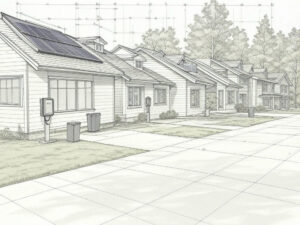
Beyond questions of access and affordability, contemporary housing must now be evaluated by its capacity to endure disruption, sustain essential services, and safeguard human dignity in moments of national distress.

This article reflects Solar Buzz’s contribution to a broader, ongoing discourse among housing, energy, and development stakeholders on the future of Jamaican home design and ownership. It explores the imperative of embedding energy resilience and climate-responsive design into the foundations of housing policy and practice, and considers how these principles must inform the next chapter of Jamaica’s housing legacy.

We are pleased to share these perspectives with our community as part of our continued commitment to advancing resilient, sustainable energy solutions.

In celebration of the National Housing Trust’s (NHT) 50th anniversary, Solar Buzz was invited to contribute to the Trust’s special Home, Hope & Heritage edition of Home & A Way magazine. Drawing on his expertise in solar energy, CEO Jason Robinson highlights how resilient design can strengthen Jamaican homes in the face of escalating climate challenges. We are proud to present this contribution as a feature of our company newsletter.

“If the next fifty years of Jamaican housing are to truly serve our people, resilience must be built in, not added on.”

As Jamaica marks the National Housing Trust’s (NHT) landmark 50th anniversary, the special “Home, Hope & Heritage” edition of the Trust’s Home & A Way  invites us to reflect on what defines a Jamaican home in the 21st century. 

For decades, our national housing conversation has rightly focused on access, affordability, and ownership. Today, that conversation must expand to include energy resilience where homes are designed not only to shelter families, but to withstand disruption, maintain essential services, and protect livelihoods when the grid falters and storms test our infrastructure.

Against the backdrop of intensifying climate challenges and the devastating passage of Hurricane Melissa, which left billions of dollars in damage and widespread power outages in its wake, the case for resilient housing has never been clearer. Energy resilience is now an immediate national priority.

From Shelter to Security: Redefining the Jamaican Home

Housing stakeholders across the value chain such as developers, financiers and homeowners must now embrace energy independence through solar power paired with battery storage.

Developers have a critical role to play by integrating these systems directly into housing designs, positioning power resilience not as a luxury upgrade, but as a core feature of modern Jamaican homes. 

Homeowners, in turn, must ensure that their solar systems are professionally designed and installed in full compliance with Jamaica’s electrical codes. Proper engineering, certified installation, and adherence to standards are essential for safety, optimal performance, and long-term resilience.

A home in Jamaica is no longer defined solely by walls and roofing; it is defined by its ability to function as a self-supporting system sustaining stability, safety, and everyday living even when the national grid fails.

Reimagining Home through Financing and Design

Resilient design must be matched by accessible financing. This is where the NHT’s legacy becomes especially relevant. The National Housing Trust has long set the benchmark for accessible, affordable home ownership through attractive loan terms including support for solar adoption. 
At this pivotal moment, the NHT’s leadership offers a powerful model for the wider financial sector. Commercial banks and lending institutions can follow the NHT’s lead by introducing innovative  financing for solar and battery storage with attractive loan terms. 

When energy resilience is embedded into housing finance at the point of purchase or construction, homeowners benefit immediately from reduced electricity costs, increased energy security and the stability of one less monthly bill. This approach not only empowers families, but strengthens our communities and reduces national vulnerability during climate-related disruptions.

Reimagining Home Post Hurricane Melissa

The visceral divide between Jamaican households after Hurricane Melissa was unmistakable.

Families with reliable solar systems backed by battery storage were able to keep food refrigerated, preserve life-saving medication, maintain communication, and in some cases support remote work or online learning for their children. 

Meanwhile, households without power grappled with prolonged outages, financial strain, and displacement. This contrast redefined the Jamaican home as not just a place of comfort but a bastion of self-reliance.

Energy independence has now evolved from a lifestyle choice or environmental preference into an indispensable safeguard for homes and family well-being. 

Solar systems paired with battery storage transform homes into self-supporting ecosystems where power, comfort, and normalcy can be maintained even when the national grid fails. 

Reimagining Homes in Jamaica for Resilient Design

Hurricane Melissa provided critical real-world insight, reinforcing the need for Jamaican homeowners to rethink and embrace resilient design. Roof type, structural integrity, and installation methodology emerged as central to energy resilience.

Standing seam metal roofs and concrete slab roofs performed particularly well in high-wind zones and have proven to be ideal foundations for roof-mounted solar systems in Jamaica when wind loading is properly engineered. These roof types offer superior strength, reduced uplift risk, and greater long-term durability when paired with professionally designed solar mounting systems.

The storm reinforced a vital truth that no solar system can outperform the roof it sits on. Annual roof inspections, proper maintenance, and structural assessments are now essential components of resilient homeownership. 

Building Resilience into Jamaica’s Housing Legacy

As the National Housing Trust commemorates its 50th anniversary, the opportunity before us is clear. Climate-conscious architecture that integrates renewable energy and battery storage must become a defining feature of Jamaica’s next housing chapter – not only to reduce costs, but to protect lives, livelihoods, and dignity in an era of intensifying climate threats.

The NHT’s half-century legacy of expanding homeownership and affordability has laid a strong foundation for nation-building. Now, Jamaican housing must evolve to mirror that legacy by prioritising energy resilience as an integral part of home design and ownership.

By embedding solar photovoltaic (PV) systems with battery storage, alongside resilient designs such as engineered metal roofing suited to Jamaica’s high-wind zone, into both new and existing developments, stakeholders can redefine the Jamaican home as a fortress of self-reliance. 

Developers must lead by making these features standard rather than optional. Financiers, inspired by the NHT’s attractive loan terms, should innovate green financing products that bundle resilience from day one.

Homeowners, supported by professional installation standards and compliance incentives, can embrace this shift with confidence knowing it delivers immediate savings and long-term security.

The NHT’s golden milestone reminds us that accessible housing has always powered Jamaican dreams.

If the next fifty years of housing are to truly serve the people of Jamaica, resilience must be built in, not added on. By reimagining how we design, finance, and experience home, Jamaica can lead the way in creating communities that endure, adapt, and thrive.

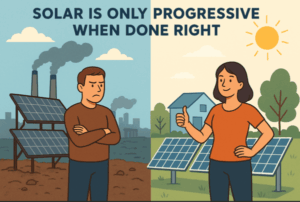
In today’s environment, where electricity rates are increasingly vulnerable to global oil price swings, supply disruptions, grid upgrades, and the escalating effects of climate change – hotter days, stronger storms, and unpredictable weather – going solar is a responsible and bold step toward self-reliance and sustainability.

But going green is only truly progressive when it is done right.

Too often, homeowners and businesses are left with underperforming systems sold on vague promises based only on utility bills and assumptions; not on actual usage or site data.

Without designs grounded in factual analysis of energy usage and site conditions, solar risks becoming just another expense rather than a tool for energy independence.

At SolarBuzz, we believe progress should be measurable, not assumed. 

Our solar solutions are engineered and tailored to actual consumption, unique site layouts, and long-term energy goals. 

This approach ensures that every system we install delivers on performance, savings, and ROI as promised, while also reducing carbon emissions.

Progress That’s Measurable, Not Assumed

Progress is achieved when solar systems are built with high-quality, long-lasting equipment, designed through precise data analysis, and installed to maximize performance and measurable CO₂ reduction.
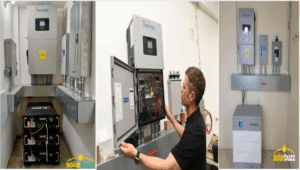
SolarBuzz has been entrusted by clients across Jamaica to install, upgrade, and optimize systems that allow them to adopt environmentally responsible practices while saving significantly on energy costs.

Case in Point: Fleetwood Jamaica Ltd.
In May 2022, Fleetwood Jamaica Ltd. partnered with us to reduce their reliance on fossil fuels and lower energy costs. 

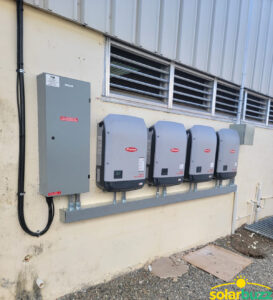
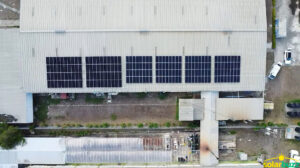
After a detailed load profile analysis, we designed and installed a 53.1kW grid-tie system projected to offset 54% of grid consumption and reduce CO₂ emissions by 57.49 tonnes annually.

The results spoke for themselves: 51% offset, annual savings of J$3,077,214, and CO₂ reduction of nearly 80 tonnes. 

Encouraged by these measurable results, Fleetwood initiated a second phase in 2024, adding a 43.6kW system. 

Today, they enjoy a 75%-80% energy offset from prior peak usage and total CO₂ reduction of 248.5 tonnes. 

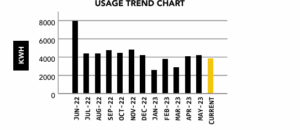
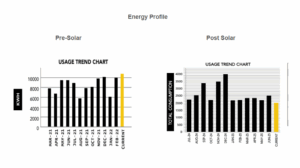
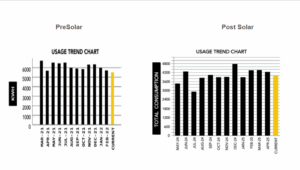
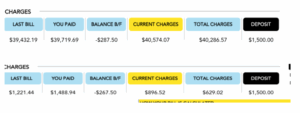
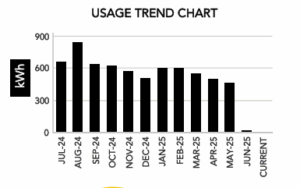
Their monthly electricity bills as seen in the graph below reflect over 7,000 kWh in savings, proof of how going green is progressive when done right.

Progress That Allows You to Do More With Less

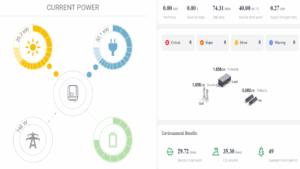
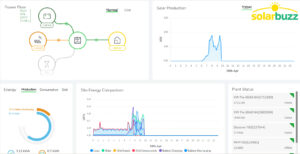
Our systems are not only designed to deliver savings; they are equipped with real-time monitoring and performance tracking to maximize value. 

Clients can see how their systems perform daily and adjust their energy use for even greater efficiency.


This capability allows businesses to scale production or homeowners to run appliances, charge EVs, and work from home during peak sunlight all while reducing grid dependency.

Case in Point: Gray’s Peppers
Gray’s Peppers sought to offset energy costs while boosting production. We installed a 38kW system projected to generate 4,307 kWh monthly and offset 35% of grid use. 

Our online monitoring of the system shows consistent performance within design expectations. 


With an average offset of 34%, Gray’s Peppers has been able to expand operations without compromising projected savings.

Progress That Supports Modern Lifestyles

Solar isn’t just about savings; it’s about enabling a sustainable lifestyle.

Case in Point: Residential Client with EV Charging Needs
One of our featured homeowners wanted to upgrade his system to meet new EV charging needs. 

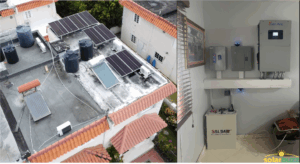
After analyzing his load profile via online monitoring data, we upgraded his existing grid tie system to 11.92kW with a 19.2kWh battery and a 15kW SolArk inverter, providing an output of 1,200 kWh per month. 

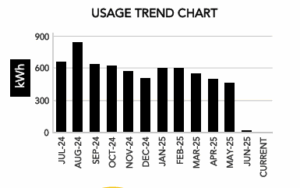
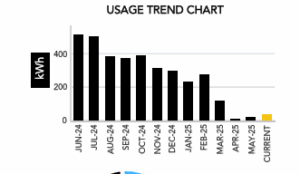
The electricity bill graph below shows the system performing as designed, powering daily EV charging and household needs, and further proving that going green the right way enables seamless integration with modern living.

Case in Point: Client with Remote-Work Office and EV Charging Needs
Another of our residential clients sought resilience against power outages and the flexibility to work from home while charging his EV. 

After analyzing his profile, we designed and installed a 14.72kW LFP battery system for his home.

Since April 2025, he has enjoyed free daytime EV charging, uninterrupted productivity, and an 87% energy offset, making sustainability both practical and progressive.

Smart Systems for Smart Green Financing

When solar systems are designed using full load profiles, projected savings align with real performance. This makes them not only reliable but also ideal for financing.

At SolarBuzz, our data-engineered approach guarantees systems that support loan repayment schedules, replacing electricity bills with predictable loan obligations thus giving clients peace of mind.

Case in Point: Smart Energy Financing
One of our clients came to SolarBuzz with a clear goal: to cut his electricity bills as much as possible while securing financing through one of our banking partners.

For this client, achieving maximum solar savings was essential to ensure that his monthly loan payments could be seamlessly covered by the energy cost reductions.

In May 2025, we designed and installed an 8.2kW lithium iron phosphate (LFP) battery-based system, tailored to his energy profile and projected to offset 84% of his grid usage.

Already, our client is experiencing a drop in their bills from J$40,000 to J$630, exceeding our predictions!

Similarly, another client leveraged the NHT’s Smart Energy Loan to finance with us a 4.36kW LFP battery system, projected to offset 90% of her total energy usage. 

Since installation in February 2025, her system has performed consistently, with savings covering her loan obligations and serving as a true demonstration of how going green can be progressive when done right.


Progress That Empowers a Greener Future

When solar is engineered with precision, installed with integrity, and supported with monitoring, it becomes not just a system but a tool for measurable progress. 

Whether enabling businesses to scale, households to adopt EVs, or clients to finance sustainability with confidence, SolarBuzz ensures that going green is not just a choice but a smart, progressive investment.

At SolarBuzz, progress is always measurable, reliable, and empowering.

Solar progress, when done right, empowers you to save more, live better, and build a greener future.

If you wish to explore how we can design a data-engineered system tailored to your energy needs, please contact us today and start living your better, greener life!

Deidre Wedderburn is the Client Relations Manager at SolarBuzz, dedicated to building long-term partnerships and delivering a top-tier client experience (deidre@solarbuzzjamaica.com).

Powering a Greener Future

In a time where sustainability is no longer just an option but a necessity, the real estate and financial sectors are uniquely positioned to lead the charge toward a cleaner, more economically sound future. 

The global shift toward renewable energy is undeniable and solar energy stands at the forefront of this transformation. The benefits are clear —lower energy costs, reduced carbon footprints, and energy independence for homeowners and businesses alike. 
Unlocking the full potential of solar integration requires developers and financial institutions to work hand-in-hand, and offer attractive, flexible and secure financing solutions that treat solar as the high-yield investment that it is. 

The Synergy of Bankers and Developers 

Solar energy systems are tangible, low-risk assets offering homeowners significant savings, developers a competitive edge and banks the security of their investment. 

According to a 2024 U.S. study, homes equipped with solar systems sold for an average of 6.8% more than comparable homes without solar and spent less time on the market.

This premium reflects the growing demand for energy-efficient homes and makes a compelling case for developers to include solar in their projects.

Replacing monthly utility bills with solar loan payments of a similar or lower amount allows homeowners to reduce living costs without compromising their lifestyle or financial stability.

With one less major bill to worry about, the likelihood of loan defaults drops significantly. 

Current data shows that the default rate for green energy loans is less than 1% making homes with installed solar systems a safe bet for banks.

Developers must design and build homes that are solar-ready or solar-integrated and banks need to create green loan products that match this forward-thinking approach.

Debunking Risk Aversion

Solar panels are income-generating assets. A properly installed solar system can save homeowners thousands of dollars over its lifetime and increase property value. 

Homeowners can also generate additional savings by selling back any surplus energy to the grid through a Net Billing license. 

Modern solar systems that are data-engineered and include online monitoring, extended warranties, and long equipment lifespan are ideal collateral for financing. 

Systems that are GER-certified, professionally installed, and maintained through structured programs reduce lending risk and ensure optimal system performance.

These features allow solar systems to function as secure collateral, much like a home or vehicle, which reduces risk for banks and enables competitive loan rates.

In the rare event of a loan default, the modern design and warranties of solar systems enable easy resale to schools, nonprofits, or existing bank customers.

Solar systems typically have a payback period of 4 to 6 years. For many PAYE employed who are leveraging the new solar tax credit, the payback period shortens.

Banks can further reduce risk by offering incentives to borrowers who apply their tax refunds to their loan balance.

Financing a Greener Future

Banks need to offer financing models that are just as innovative as the solar systems themselves:

  • Incorporate solar into mortgages – Include solar systems in initial mortgage financing. Spreading the cost over a longer term makes systems more affordable and reduces default risk.
  • Use solar systems as collateral – Given their high quality equipment, lifespan, warranties, and online monitoring capabilities, modern solar systems can serve as loan collateral. This approach protects the homeowner’s equity and reduces risk for lenders.
  • Offer competitive interest rates – Secured loans, using the solar system as collateral, should have interest rates below the 15% – 19% that is currently on the local lending market. Lower rates encourage adoption and reduce defaults.
  • Bundle EV and solar loans – Reduced interest rates for loans that combine a solar system with the purchase of an electrical vehicle (EV) is a dual investment that amplifies savings for homeowners. Solar energy can power both homes and vehicles further reducing monthly expenses and default risks.
  • Leverage Net Billing for non primary residences – Require Net Billing licenses for  non-primary residences to enhance their savings and reduce the likelihood of loan defaults.
  • Mandate system maintenance – Require active maintenance as a clause in insurance coverage to ensure solar systems operate at optimal levels and protect the loan investment.

The National Housing Trust (NHT) is leading the way with revamped energy loan offerings like the Smart Energy Loan (up to J$2.5M) and Home Improvement Loan (up to J$5M) per contributor as of July 2024.

Banks should follow suit by offering secured solar financing backed by quality systems, long warranties and a maintenance program rather than relying on home liens

Developers, in turn, need access to financing with favorable terms so as to integrate solar into their designs without sacrificing profitability.

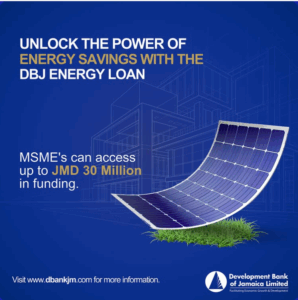
The Development Bank of Jamaica (DBJ) through its Credit Enhancement Facility (CEF), provides banks with funds for green energy loans for commercial clients where solar systems serve as collateral. Developers can therefore benefit from DBJ-backed competitive green financing.

Designing for the present

Developers can mainstream solar energy by incorporating it into their designs from the outset. Key design considerations include below:

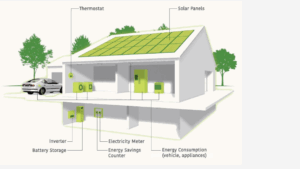
  • Roof Space Optimization – Ensure adequate, unshaded roof space for solar panels.
  • Proximity to Infrastructure – Position main breaker panels close to designated solar equipment spaces for efficient installation.
  • Battery Storage Readiness – Allocate dedicated indoor spaces for battery equipment to support energy storage.
  • Pre-Wired Solar Circuits – Install breakers specifically for solar systems 
  • Solar Expertise and Aftercare Services – Collaborate with certified solar providers for installation and maintenance to ensure long-term system performance and insurability.

Integrating these features increases a property’s appeal and sale value, incentivizing more developers to embrace solar-ready designs.

A Win for All

Solar energy is a transformative investment with proven returns for homeowners, developers, and banks. 

Banks can reimagine their lending practices, recognize the real value of solar systems and attract new customers with competitive green energy loans.

Developers can integrate solar systems into their offerings to enhance property value, accelerate sales, and meet growing consumer demand.

With low default rates, expanding consumer interest, and financial support from institutions like the DBJ, there has never been a better time for banks and developers to align and power a greener future together.

Deidre Wedderburn is the Client Relations Manager at SolarBuzz, dedicated to building long-term partnerships and delivering a top-tier client experience (deidre@solarbuzzjamaica.com).

Our Commitment to You

SolarBuzz, in partnership with the JREA, has been engaged in discussions with the government and relevant stakeholders regarding the recent Net Billing requirement for the Solar Tax Credit application. This solar tax credit allows individuals to claim up to 30% of the value of their solar system or a maximum of J$1.2 million, provided the system was installed on or after January 1, 2023, at the primary residence of the claimant.

Temporary Relief

While the initial requirements did not include a Net Billing licence, the Tax Administration Jamaica (TAJ) application process mandated this in addition to a GER Compliance Certificate. Following discussions with the Minister of Science, Energy, Telecommunications and Transport, Daryl Vaz, we have been granted temporary relief for this tax filing season. Until April 1, 2025, homeowners can apply for the solar tax credit without needing a Net Billing licence.

Act Now

We encourage eligible homeowners to take advantage of this limited-time waiver and submit their applications before the April 1, 2025 deadline. 


A GER inspector must inspect your system before submission to ensure compliance.

Applying for the Solar Tax Credit

This tax credit is available to:
✅ PAYE employees
✅ Pensioners
✅ Self-employed individuals

For PAYE employees and pensioners, the credit is issued as a cash refund, while self-employed individuals receive it as a tax credit for future liabilities.

Application Process:

  1. Apply online via the TAJ website. 
  2. Submit the appropriate form: 
    • S04 Form (for self-employed individuals or those filing their own income tax). 
    • IT05 Form (for PAYE employees or pensioners). 
  3. PAYE employees will need their P24 form for the relevant fiscal year to complete the application form. 
  4. You can claim up to 50% of your tax liability for the respective year for solar systems valued up to J$4 million.

Important Note: Due to the temporary waiver of the Net Billing Licence requirement and the absence of an updated TAJ application form, claimants must use the fiscal year that their system was installed as the Licensed Electrical Inspector Certificate Date when completing the application form.

Financial Benefits

This incentive provides homeowners with an early return on their solar investment particularly for those who financed their solar system, as any cash refund can be applied toward the existing loan balance. 

SolarBuzz strongly encourages eligible clients to take advantage of this tax credit incentive. We remain committed to helping you save on energy costs while maximizing your financial benefits.

Assistance to Non Clients

For homeowners whose systems were not installed by SolarBuzz, we offer consultation and GER inspection services for a fee. However, we cannot guarantee that non-SolarBuzz installations will pass inspection, as we cannot verify compliance with Jamaica’s electrical code.


Solar Financing: Making Energy Freedom a Reality

As part of the recent budget announcement, the Government has increased financing options for solar installations through the National Housing Trust (NHT) effective July 1, 2025:

  • Under the Home Improvement Loan, contributors with an existing NHT mortgage can now apply for solar financing after 7 years instead of the present 10-year requirement. 
  • The financing limit under the Home Improvement Loan will be increased to J$5 million per contributor. 
  • The Smart Energy Loan limit will be increased from J$1.5 million to J$2.5 million.

SolarBuzz welcomes this move by the Government as it will encourage greater solar adoption among Jamaican homeowners. With the growing need for energy resilience against powerful weather systems and fluctuations in electricity rates as per future grid upgrades, these financing options will provide significant support in achieving energy independence.

deidre@solarbuzzjamaica.com 

Prime Minister Dr. Andrew Holness has announced a series of new and expanded benefits from the National Housing Trust (NHT) to benefit Jamaicans.

The series of improved benefits will take effect in the coming months are aimed at making homeownership more affordable and accessible for Jamaicans.

These enhancements, which include increased loan limits, reduced deposit requirements, and expanded grants, represent a significant investment in improving the lives of NHT contributors.

Starting July 1, 2025, several key changes will take effect:

  • Increased Loan Limits: Individual loan limits will rise from $7.5 million to $9 million, while two co-applicants can now access $17 million and three co-applicants up to $23 million.
  • The loan ceiling for construction loans will also be increased to $11 million for individuals$17 million for two co-applicants, and $23 million for three co-applicants.
  • Lower Deposit Requirements: For contributors earning less than $30,000 weekly, the deposit requirement for open market loans will be reduced from 5% to 2% for properties valued at $14 million or less, making it easier for more Jamaicans to own a home.
  • Reduced Service Charges: Those earning $30,000 or less per week will see their 2% service charge eliminated, while those earning between $30,000 and $42,000 per week will have their charge reduced from 5% to 2%.
  • Expanded Home Grant Eligibility: The maximum qualifying income for Home Grants will increase to $30,000 per week, enabling more contributors to access grants of up to $3.5 million.
  • Home Improvement Loan: The waiting time to access this loan will be reduced from 10 to 7 years, and the loan limit will increase from $3.5 million to $5 million.

There are also special Initiatives for pensioners and public sector workers. These include:

  • Smart Energy Grant Expansion: Initially available only to public sector pensioners, this grant of up to $1.5 million for solar panel installation and alternative energy systems will be expanded to private sector pensioners.
  • Smart Energy Loan Increase: The loan amount will increase from $1.5 million to $2.5 million, and the interest rate will now range from 0-5%, making it more affordable for lower-income contributors.
  • Targeted Institutional Loan Programme: The NHT will partner with hospitals to provide on-site housing for healthcare workers, with ongoing discussions also considering the tourism, security, and education sectors.

New Contribution Refund Option for Private Sector Mortgagors

Private sector mortgagors will now have the choice to apply their NHT contribution refunds toward their existing mortgages, provided their loans are free of arrears.

In the meantime, Prime Minister Holness announced that as the NHT approaches its 50th anniversary in 2025/26, the agency will commemorate its milestone with the development of a new park in Mandeville and the expansion of its scholarship programme from 10 to 50 awards.

Prime Minister Holness said his administration is committed to housing affordability, stating.

“These enhancements reflect our dedication to ensuring that every Jamaican has a fair opportunity to own a home and improve their quality of life,” said Dr. Holness.

The Office of the Prime Minister