– Installation Is Not the Asset

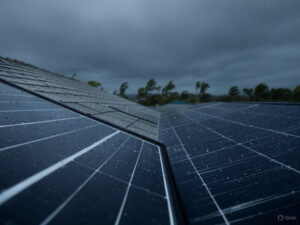
As climate change drives longer rainy seasons and more frequent, intense storm events, true energy security can no longer be defined solely by system capacity or component quality. 

Instead, it is shaped by the quality of ongoing maintenance, the rigor of system oversight, and the strength of the partnership with a solar provider operating a reputable, active maintenance program.

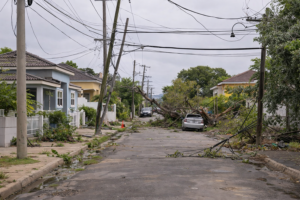
Hurricane Melissa offered a compelling, real-world demonstration of this reality. 

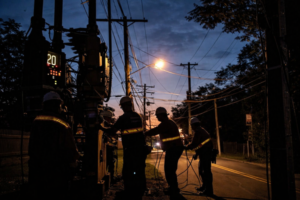
While the storm tested infrastructure across the island, it revealed a clear distinction between solar systems that merely existed and those that were actively managed, professionally maintained, and operationally prepared.

Proactive system maintenance underpins resilience, reliability, and long-term return on investment. When paired with a reputable company operating an insurance-approved maintenance program, solar systems evolve from static installations into dynamic energy security assets.
A Partnership for Energy Security

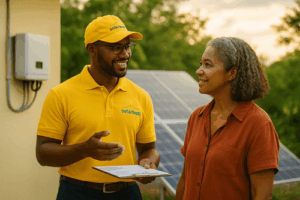
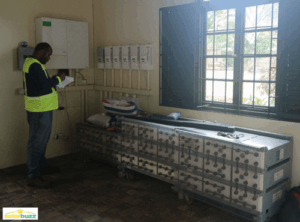
At SolarBuzz, we recognize that energy resilience is not achieved in isolation, but rather through an ongoing partnership with our clients, in which our technical team ensures that equipment condition, system settings, and operational performance remain aligned with evolving environmental conditions and grid realities.

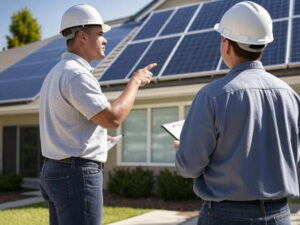
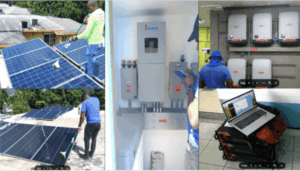
Clients whose systems were under active maintenance prior to Hurricane Melissa benefited from continuous online monitoring, remote system support, proactive adjustment of system settings informed by weather tracking, guidance on maximizing system readiness ahead of landfall, and field visits where required. 
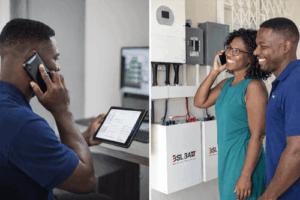
These coordinated efforts translated directly into greater continuity of power during and after the storm, even as grid restoration lagged across entire regions.

This partnership model reframes system maintenance from a reactive service into a strategic discipline. It ensures batteries are protected from harmful discharge cycles and that system configurations are proactively optimized to preserve performance and asset lifespan, while also securing dependable backup power when it matters most.
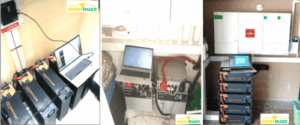
Viewed through this lens, maintenance also functions as a form of asset governance, safeguarding system performance, financial value, and operational intent over the life of the investment.

Risk Management Through Regular System Maintenance

Regular maintenance plays a pivotal role in safeguarding system performance under normal operating conditions. 

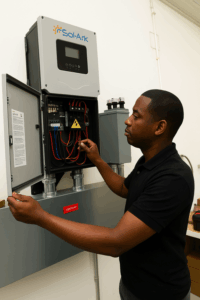
Routine professional servicing enables early fault detection, supports warranty and insurance compliance, and extends the productive life of high-value components, particularly batteries.
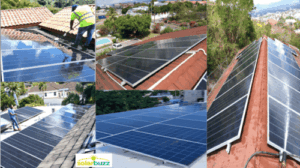
Environmental factors such as dust, salt, and debris can quietly erode energy output by as much as 20% if left unaddressed. When unchecked, minor issues can compound into costly failures, often at the most inopportune times.
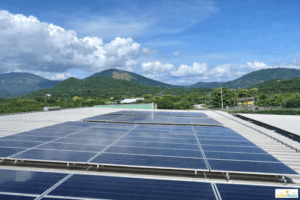
Remote monitoring further strengthens this advantage by allowing performance anomalies to be identified and corrected before they escalate into outages or irreversible damage.

Securing Your Power

Hurricane Melissa reinforced a fundamental reality that real energy resilience lies not in the installation of a system, but in its continuous and disciplined maintenance. 

At SolarBuzz, our clients experienced uninterrupted power supply from systems that withstood hurricane-force winds, supported by wind-load engineered designs, code-compliant installations, and consistent system management delivered through our maintenance program and responsive technical team.
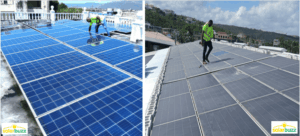
In keeping with our value statement, the maintenance of our clients’ solar systems is treated as a direct extension of our engineering practice. 
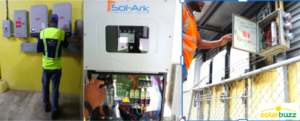
Our maintenance program is a data-driven, standards-based approach designed to preserve energy independence, protect financial investment, and ensure that systems perform reliably when national infrastructure is most vulnerable.
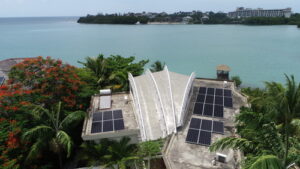
As Jamaica enters an era of increasingly severe weather events, proactive system maintenance stands as one of the most powerful tools for safeguarding assets, securing continuity of supply, and maintaining control over the energy future.

Deidre Wedderburn is the Client Relations Manager at SolarBuzz, dedicated to building long-term partnerships and delivering a top-tier client experience (deidre@solarbuzzjamaica.com). 

Editor’s Note: Our clients and systems were referenced in a recent New York Times article examining the impact of Hurricane Melissa and how rooftop solar systems performed during and after the storm. Readers who wish to view the article may do so using the link below.

👉 Read the New York Times article:
https://www.nytimes.com/2025/11/08/climate/jamaica-hurricane-solar-power.html


Resilience is not a foreign concept in Jamaica. For generations, Jamaicans have navigated environmental uncertainty and economic constraint with ingenuity, perseverance, and resolve. From small business owners reopening their doors after floodwaters recede, to households restoring order and routine in the aftermath of storms, adaptability is not merely a response – it is our defining trait.

As climate change accelerates and extreme weather events intensify, hurricanes of Melissa’s magnitude are no longer exceptional. In this reality, resilience can no longer rely solely on human determination.

Our capacity to recover must be reinforced by infrastructure, particularly energy systems, that are designed to endure disruption and enable swift recovery. Jamaica’s solar and energy storage systems must deliver continuity, reliability, and stability precisely when communities need them most.

Resilience requires energy systems built to perform under pressure.

Systems That Stand When It Matters Most

In recent storms, a quiet yet consequential shift has been unfolding across the island. Properly designed solar energy systems have emerged as a cornerstone of resilience, supporting not only individual households but entire communities. Installed solar capacity has expanded from less than 1.4 megawatts in 2015 to nearly 65 megawatts by 2024, now accounting for approximately ten percent of Jamaica’s electricity mix.

Beyond capacity figures, solar has revealed a deeper dimension of resilience. When engineered correctly and installed to rigorous standards, these systems become anchors of care and solidarity. 

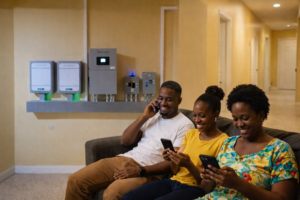
Homes that retain power after a storm often evolve into community lifelines and spaces where neighbours gather to charge devices, preserve food, access information, and reconnect with loved ones. In these moments, resilience transcends technology; it becomes collective.

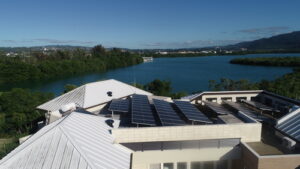
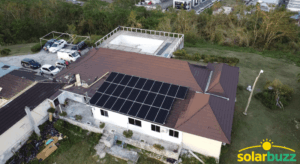
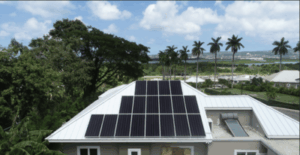
Post-Melissa reporting in a recent New York Times article underscored this reality. Properly mounted solar panels largely withstood hurricane-force winds, maintained uninterrupted power supply throughout the storm, and enabled households to remain operational while serving as points of support for their communities. The article, After Jamaica’s Disastrous Storm, Solar Power Is a Bright Spot, featuring SolarBuzz clients in Treasure Beach and Kingston, highlights how rooftop solar systems, when done right, deliver continuity of power and meaningful community benefit.

One featured client, Jennifer Hue of Treasure Beach, experienced flooding and property damage during the hurricane, yet her rooftop solar system remained fully operational. While the grid failed, her home stayed powered, allowing neighbours to charge phones, preserve food, and maintain vital communication.

Similarly, Twila-Mae Logan of Kingston was able to use her solar-equipped home as a hub for food storage and family support during the outage.

At SolarBuzz, we view solar not as a lifestyle enhancement, but as essential infrastructure that is central to household safety, economic stability, and energy independence. 

These featured systems did not endure by chance. They performed as designed because they were engineered for Jamaica’s environmental realities and installed to standards capable of withstanding hurricane-force winds and extreme conditions.

Breaking the Cycle of Darkness

Despite this progress, access to resilient solar and storage systems remains uneven. While declining global equipment costs, government incentives such as the solar tax credit, financing mechanisms, and net billing policies should, in theory, make solar more attainable, local bureaucratic barriers continue to impede adoption.

Lengthy approval timelines, complex banking and net billing requirements, and lingering policy ambiguity place resilient energy solutions beyond the reach of many Jamaicans. However, climate realities demand the opposite approach.

Reducing dependence on long, vulnerable transmission lines and decentralising power generation directly at the point of use is no longer optional; it is imperative.

Incentive frameworks must therefore be clear, accessible, and free from protracted delays or cost-intensive administrative requirements.

Competitive financing from major banks, including the ability to integrate solar systems into new mortgages, is essential to broadening access to properly designed solar and battery solutions.

As Caribbean leaders continue to call for greater international support to address climate impacts the region played little role in creating, local action must demonstrate clarity, urgency, and execution.

Jamaicans deserve a straightforward, efficient, and affordable pathway to resilient solar adoption, alongside continued investment in strengthening the national grid.

For Jamaica, resilience now means empowering homeowners to invest confidently in high-quality solar and storage systems designed to withstand hurricane-force winds and deliver long-term energy security.

Deidre Wedderburn is the Client Relations Manager at SolarBuzz, dedicated to building long-term partnerships and delivering top-tier client experience (deidre@solarbuzzjamaica.com). 

– Maximizing Your Solar System During Hurricane Melissa

Editor’s Note: This updated advisory reflects Jamaica’s upgrade to a Hurricane Watch as Hurricane Melissa approaches.

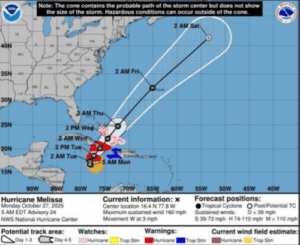
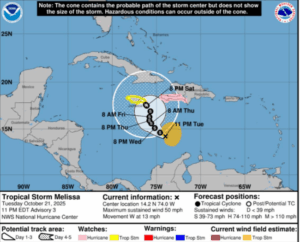
As Hurricane Melissa moves across the Central Caribbean Sea, Jamaica has been placed under a Hurricane Watch, with potential for heavy rains, strong winds, and possible power interruptions. 

For SolarBuzz system owners, this is the ideal time to take proactive steps to keep your solar energy system operating at peak efficiency and ensure continuous resilience against any grid-supply interruptions.

Our systems are designed and installed to deliver reliable performance and energy security even in challenging weather. Like any high-efficiency system, they operate at their best when used strategically during extreme conditions.

This guide offers practical reminders on conserving energy, prioritizing battery charging, and maintaining system efficiency with recommendations to help you stay powered, comfortable, and safe throughout the storm.

The goal is to minimize unnecessary energy use, maximize stored power, and adapt smartly to reduced sunlight during overcast conditions.

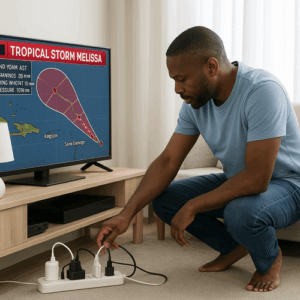
1. Unplug and Power Down Non-Essential Appliances and Equipment

Even the most efficient solar system performs at its highest potential when paired with good energy habits. 

During a storm, every watt saved contributes to longer battery runtime and uninterrupted comfort.

Unplug and switch off all non-essential devices, including:

  • Gym equipment – such as treadmills or ellipticals which often draw standby power.
  • Extra refrigerators or freezers –  if not in full use, as they require significant energy to maintain temperature.
  • Electronics – such as gaming consoles, decorative lighting, and unused chargers.
  • Deep freezers – Avoid opening doors unnecessarily to maintain cold air and preserve your food items.
  • Smart home devices – in unoccupied rooms, including smart bulbs and unused air-conditioning units.

Keep only essential items connected for example, your Wi-Fi router, refrigerator, and a few lights or fans. 

Conduct a quick home energy audit by walking through each room and identifying devices that draw power when idle. Power strips make it easier to turn multiple items off at once.

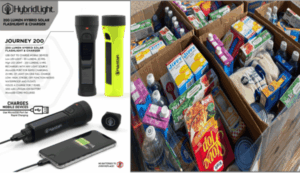
Prepare an emergency kit with items such as solar-powered flashlights (available at SolarBuzz) and non-perishable food that doesn’t require cooking to reduce use of your electric stove. 

These steps alone can reduce overall consumption by up to 20–30%, giving your batteries more flexibility and preserving stored energy for essential needs.

🏊 2. Turn Off High-Consumption Outdoor Equipment

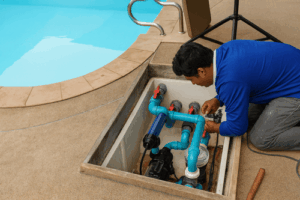
Outdoor electrical systems like pool pumps, fountains, and irrigation systems can have high power draws and are usually non-essential during storm periods. Switch them off until the weather clears.

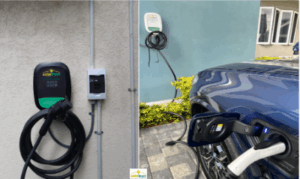
If you have an electric vehicle (EV), charge it during daylight hours once your batteries are fully charged, then unplug the charger to protect it from possible surges.

For solar-powered outdoor features such as garden lights, set them to low-power modes or turn them off to conserve internal batteries. 

Redirecting energy away from these systems ensures more power is available for your core household or business operations.

☀️ 3. Optimize Charging Before and During the Storm

Although cloud cover can limit sunlight, SolarBuzz systems are engineered to maintain strong performance even under diffuse light. To secure the best backup capacity:

  • Monitor the storm – Monitor the storm closely via local news and weather updates and temporarily switch your solar system to JPS/grid mode if possible and where applicable.

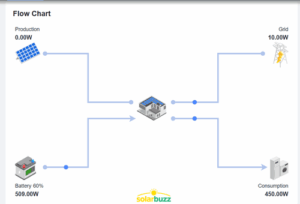
  • Use solar monitoring apps – At SolarBuzz, we encourage our clients to use their online monitoring app to track panel output, battery levels, energy usage and switch to JPS where applicable to allow the panels to focus on fully charging batteries, building a robust power reserve. Once fully charged, revert to solar use for clean, independent energy.


  • EV Charging – Charge your EV during sun hours after the batteries of your solar system are at full charge.
  • Pre-charge batteries – Charge batteries to 100% before storm conditions intensify. 
  • .Generator owners –  Perform a quick test run and use your generator sparingly to supplement charging if solar input is limited.

These actions help ensure your system is fully charged and ready to deliver steady power even if grid service is interrupted.

❄️ 4. Minimize Air Conditioning & Cooling Demands

Air conditioning is one of the largest household power consumers.

During cloudy or rainy periods:

  • Use A/C units only in occupied rooms, and set temperatures between 24–26°C for efficiency.
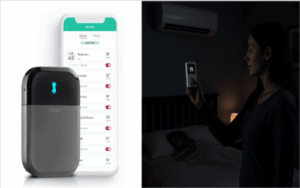
  • Use smart controls like the Sensibo Sky (available at SolarBuzz) to schedule A/C operation during daylight hours when panels are producing most energy.

  • Rely on fans or natural ventilation whenever possible; storms often bring cooler air that reduces the need for heavy cooling.

If your home has tinted windows or glass doors, maximize the benefits of your window film solution by using ceiling fans to circulate air effectively. These adjustments will extend stored power and help maintain comfort without strain on your system.

🌬️ 6. Secure Your Solar Infrastructure

SolarBuzz systems are engineered to withstand Jamaica’s tropical climate, but a quick pre-storm check ensures optimal readiness. 

Before the weather worsens:

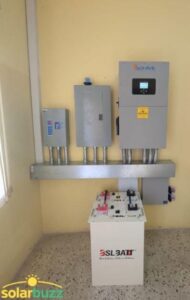
  • Verify that your inverter and battery systems display normal operation with no alerts.
  • Make sure breakers and electrical connections are properly secured and protected from moisture.
  • Protect your equipment from rain, especially your battery storage area. Keep batteries covered and sheltered from direct exposure to water or humidity.
  • Cover any fully exposed EV chargers to prevent rain or debris from entering the unit. Waterproof covers or heavy-duty plastic sheeting can provide an extra layer of protection.
  • Trim any overhanging branches that might fall on panels.
  • If you already have security window film installed, check that it remains intact and properly sealed. For those without it, consider this a worthwhile post-storm upgrade (available at SolarBuzz) to help reinforce glass surfaces before future weather events.

I

If you observe anything unusual, contact your solar service provider for guidance or assistance before the storm intensifies. 

🕯️ 7. Prepare for Extended Cloud Cover

If Hurricane Melissa lingers or leads to several days of limited sunlight, we encourage that you:

  • Conserve stored energy by reducing non-essential usage.
  • Use LED bulbs and energy-efficient devices.
  • Delay use of heavy-load appliances such as dryers, ovens, electric stoves and large motors until conditions improve.

Smart energy conservation ensures your system continues to deliver consistent, reliable power, even during extended cloudy periods.

Turning Storms Into Strength

Every storm reminds us of the importance of energy resilience and the value of preparation.

At SolarBuzz, we view Hurricane Melissa as an opportunity to empower our clients through knowledge, strengthen readiness, and reinforce confidence in Jamaica’s sustainable energy future. 

Our systems are designed for strength and reliability, ensuring you remain powered through any challenge. By following the proactive steps outlined in this guide, you can optimize your system’s performance and maintain comfort and stability throughout the storm.

Our team remains available, as weather conditions allow, to provide guidance and support before, during, and after the hurricane.

SolarBuzz remains committed to advancing renewable energy solutions that support continuity, sustainability, and resilience for all Jamaicans.

Stay informed. Stay safe. Stay powered.

From The SolarBuzz Team

Deidre Wedderburn is the Client Relations Manager at SolarBuzz, dedicated to building long-term partnerships and delivering a top-tier client experience (deidre@solarbuzzjamaica.com).

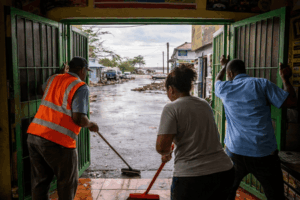
 

– Maximize Your Solar System During Tropical Storm Melissa

As Tropical Storm Melissa moves across the Central Caribbean Sea, Jamaica has been placed under a tropical storm watch, with potential for heavy rains, strong winds, and possible power interruptions. 

For SolarBuzz system owners, this is the ideal time to take proactive steps to keep your solar energy system operating at peak efficiency and ensure continuous resilience against any grid-supply interruptions.

Our systems are designed and installed to deliver reliable performance and energy security even in challenging weather. Like any high-efficiency system, they operate at their best when used strategically during extreme conditions.

This guide offers practical reminders on conserving energy, prioritizing battery charging, and maintaining system efficiency with recommendations to help you stay powered, comfortable, and safe throughout the storm.

The goal is to minimize unnecessary energy use, maximize stored power, and adapt smartly to reduced sunlight during overcast conditions.

1. Unplug and Power Down Non-Essential Appliances and Equipment

Even the most efficient solar system performs at its highest potential when paired with good energy habits. 

During a storm, every watt saved contributes to longer battery runtime and uninterrupted comfort.

Unplug and switch off all non-essential devices, including:

  • Gym equipment – such as treadmills or ellipticals which often draw standby power.
  • Extra refrigerators or freezers –  if not in full use, as they require significant energy to maintain temperature.
  • Electronics – such as gaming consoles, decorative lighting, and unused chargers.
  • Deep freezers – Avoid opening doors unnecessarily to maintain cold air and preserve your food items.
  • Smart home devices – in unoccupied rooms, including smart bulbs and unused air-conditioning units.

Keep only essential items connected for example, your Wi-Fi router, refrigerator, and a few lights or fans. 

Conduct a quick home energy audit by walking through each room and identifying devices that draw power when idle. Power strips make it easier to turn multiple items off at once.

Prepare an emergency kit with items such as solar-powered flashlights (available at SolarBuzz) and non-perishable food that doesn’t require cooking to reduce use of your electric stove. 

These steps alone can reduce overall consumption by up to 20–30%, giving your batteries more flexibility and preserving stored energy for essential needs.

🏊 2. Turn Off High-Consumption Outdoor Equipment

Outdoor electrical systems like pool pumps, fountains, and irrigation systems can have high power draws and are usually non-essential during storm periods. Switch them off until the weather clears.

If you have an electric vehicle (EV), charge it during daylight hours once your batteries are fully charged, then unplug the charger to protect it from possible surges.

For solar-powered outdoor features such as garden lights, set them to low-power modes or turn them off to conserve internal batteries. 

Redirecting energy away from these systems ensures more power is available for your core household or business operations.

☀️ 3. Optimize Charging Before and During the Storm

Although cloud cover can limit sunlight, SolarBuzz systems are engineered to maintain strong performance even under diffuse light. To secure the best backup capacity:

  • Monitor the storm – Monitor the storm closely via local news and weather updates and temporarily switch your solar system to JPS/grid mode if possible and where applicable.

  • Use solar monitoring apps – At SolarBuzz, we encourage our clients to use their online monitoring app to track panel output, battery levels, energy usage and switch to JPS where applicable to allow the panels to focus on fully charging batteries, building a robust power reserve. Once fully charged, revert to solar use for clean, independent energy.


  • EV Charging – Charge your EV during sun hours after the batteries of your solar system are at full charge.
  • Pre-charge batteries – Charge batteries to 100% before storm conditions intensify. 
  • .Generator owners –  Perform a quick test run and use your generator sparingly to supplement charging if solar input is limited.

These actions help ensure your system is fully charged and ready to deliver steady power even if grid service is interrupted.

❄️ 4. Minimize Air Conditioning & Cooling Demands

Air conditioning is one of the largest household power consumers.

During cloudy or rainy periods:

  • Use A/C units only in occupied rooms, and set temperatures between 24–26°C for efficiency.

  • Use smart controls like the Sensibo Sky (available at SolarBuzz) to schedule A/C operation during daylight hours when panels are producing most energy.

  • Rely on fans or natural ventilation whenever possible; storms often bring cooler air that reduces the need for heavy cooling.

If your home has tinted windows or glass doors, maximize the benefits of your window film solution by using ceiling fans to circulate air effectively. These adjustments will extend stored power and help maintain comfort without strain on your system.

🌬️ 6. Secure Your Solar Infrastructure

SolarBuzz systems are engineered to withstand Jamaica’s tropical climate, but a quick pre-storm check ensures optimal readiness. 

Before the weather worsens:

  • Verify that your inverter and battery systems display normal operation with no alerts.
  • Make sure breakers and electrical connections are properly secured and protected from moisture.
  • Trim any overhanging branches that might fall on panels.
  • Use protective security window film to prevent large panes of glass from shattering (available at SolarBuzz).

I

If you observe anything unusual, contact your solar service provider for guidance or assistance before the storm intensifies. 

🕯️ 7. Prepare for Extended Cloud Cover

If Tropical Storm Melissa lingers or leads to several days of limited sunlight, we encourage that you:

  • Conserve stored energy by reducing non-essential usage.

  • Use LED bulbs and energy-efficient devices.

  • Delay use of heavy-load appliances such as dryers, ovens, electric stoves and large motors until conditions improve.

Smart energy conservation ensures your system continues to deliver consistent, reliable power, even during extended cloudy periods.

Transforming Preparation into Empowerment and Resilience into Confidence

At SolarBuzz, our systems stand for independence, security, and sustainability. 

As Jamaica prepares for Tropical Storm Melissa, we encourage our clients to take a few proactive steps to ensure continued optimal performance and comfort throughout the weather event. With thoughtful preparation, your system will continue providing the reliable energy you have come to depend on.

SolarBuzz views every storm as an opportunity to strengthen resilience and empower our community through knowledge, readiness and trust. We remain committed to helping our clients harness the power of the sun even when the skies are grey. 

Stay informed. Stay safe. Stay powered.

From The SolarBuzz Team

Deidre Wedderburn is the Client Relations Manager at SolarBuzz, dedicated to building long-term partnerships and delivering a top-tier client experience (deidre@solarbuzzjamaica.com).
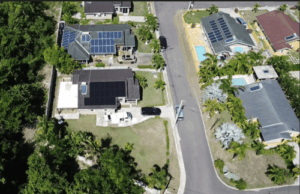
 

#PrivacyThatPaysEveryDay

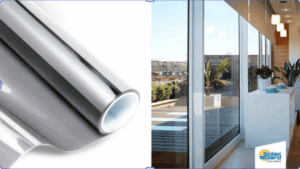
At SolarBuzz, we transform ordinary glass into high-performance surfaces that cool your space, cut energy bills, and elevate style.

We pair industry-leading Solar Gard films with professional installation to deliver customized solutions for every client, so each window film we install is as functional as it is beautiful.

What You Gain with SolarBuzz

Ultimate Privacy – keep families, guests, and patrons comfortable.

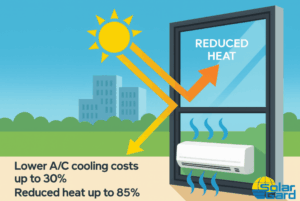
Sun-Heat Rejection – block up to 84% of outside heat, easing A/C strain

Anti-Glare Comfort – cut up to 95% glare to protect eyes and furnishings while maintaining natural light.

Security & Safety – hold glass shards together during accidents, break-ins, or even explosions.

Energy Savings – reduce cooling costs by up to 30%

Ease A/c Strain – by stabilizing interior temperatures, there is less need for air conditioning while moderating peak usage and allowing your cooling system to operate more efficiently

Reduced Carbon Footprint – lower A/C consumption means less electricity used and fewer CO₂ emissions over the building’s life, contributing to a more sustainable environment.

Privacy That Pays, Every Day

Solar Gard Stainless Steel 50 is our clients’ favourite for striking the balance between privacy and excellent heat rejection without altering the building’s look.

With 46% glare reduction and over 40% of the sun’s heat rejected, this film has helped businesses cut cooling costs of up to 30%,  translating into measurable energy and emissions savings.

  • Ideal for businesses with steady customer traffic where both operational cost and client experience are high priorities.
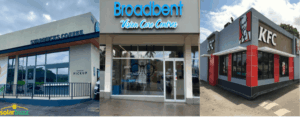
  • Client feature: SolarBuzz installations at one of each client’s locations – Starbucks, Broadbent and KFC, as seen in the photo collage below:

Cut the Heat; Keep the View

For homeowners and businesses seeking deeper shading and stronger privacy, the Stainless Steel 10, 20 and 30 series deliver up to 90% glare reduction and 99% UV protection.

This series keeps your interiors cooler and greener, lowering a/c reliance and reducing electricity demand.

  • These films excel on sun-facing windows, garden or pool areas, and exposed façades
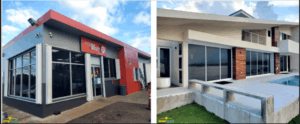
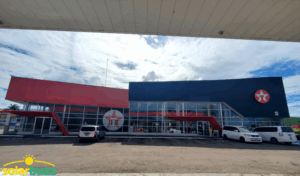
  • Client feature: SolarBuzz installations at our client – Texaco – Food Mart and one of our client’s guest villa, as seen in the photo collage below:

Discretion in Style

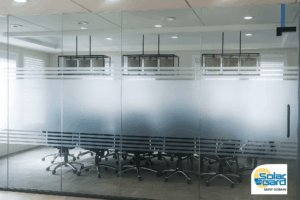
When discretion is non-negotiable, our frosted films are the answer. They provide complete privacy while allowing natural light to gently filter through.

Less tug-of-war between blinds and lights means improved energy efficiency and the added opportunity to showcase your brand identity with custom patterns or logos.

  • Ideal for spaces that demand discretion without sacrificing natural light such as office doors, boardrooms, and bathrooms.
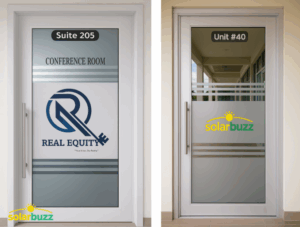
  • Highlighted feature: SolarBuzz installation at one of our clients – Real Equity, and our own company’s entrance door as seen below:

See Everything. Reveal Nothing

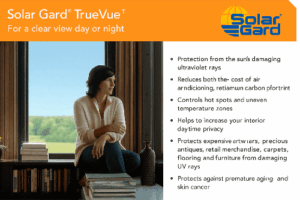
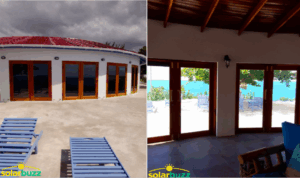
For clients who want daytime privacy with clear outward views, our TrueVue 5 window film delivers. 

This film rejects 84% of sun heat, blocks 99% UV, and reduces glare by 94% resulting in cooler rooms, reduced energy bills, and less strain on the power grid.

  • With its low interior reflectivity, our  TrueVue 5 window film solution is ideal for hospitality spaces, executive offices, and beach homes/villas.
  • Client feature: SolarBuzz installation at a client’s home in Treasure Beach, St Elizabeth:

Holding Strong Under Pressure

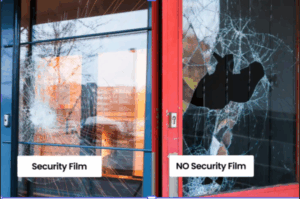
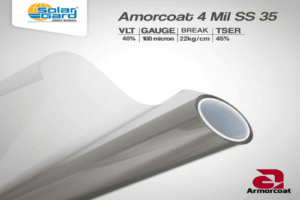
Glass is often a building’s weakest link. Our Armorcoat® security film is engineered to protect against accidents, storms, vandalism and burglary.

This window film delays intrusion and holds shattered glass firmly in place, safeguarding people from injuries and buildings from further damage.

Depending on your needs, this film can block between 5% and 95% of daylight while adding an invisible layer of protection. 

By extending glass life and preventing premature replacements, our security film also avoids the embodied carbon “cost” of new glazing, proof that resilience and sustainability can go hand-in-hand.

  • Our Armorcoat security film is ideal for retail stores, banks, high-traffic businesses, and public buildings.
  • Client feature: SolarBuzz installation at one of Texaco’s locations:

Satisfied Clients, Proven Results

From residential homeowners to brands like Starbucks, Texaco, KFC, Wendy’s, Barita Investments and Broadbent, our clients return for style, comfort, energy savings and a peace of mind with greener operations as a bonus.

“Since Solar Buzz installed their Solar Gard tint, the comfort in my office has significantly improved. The tint has greatly reduced the amount of heat and glare entering through the windows. 

  • Darren Bouges – Concepts and Spaces

“I’m very impressed with the performance of the Solar Gard tint from SolarBuzz. It not only keeps our stores cooler but has reduced the strain on our A/C units,  helping us to keep our energy costs as low as possible. The SolarBuzz team is always professional, punctual, and continues to make the experience seamless.”

  • Bruce Hosang – Starbucks

“The tint has cut the glare on my TV and keeps the rooms cooler without blocking the natural light. I’ve cut back significantly on AC usage, and my JPS bill is reduced by about 10%. Big thanks to the Solar Buzz crew – they showed up when they said they would, worked neatly, and did a very professional job.”  

  • Jonathan Dabdoub Total Hardware & Supplies  
Ready to Transform Your Space?

Your windows and glass doors should work for you every day, providing cooler rooms, lower bills, greater privacy, and a finish that enhances the look of your home or business.

With over 15 years of experience and the proven performance of Solar Gard, SolarBuzz provides style, comfort, energy savings, and security while also supporting sustainable living and building practices.

Request your free consultation today and start saving with every sunrise.

Email us at info@solarbuzzjamaica.com or click here to book your consultation.

Deidre Wedderburn is the Client Relations Manager at SolarBuzz, dedicated to building long-term partnerships and delivering a top-tier client experience (deidre@solarbuzzjamaica.com).
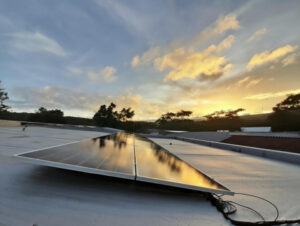
In today’s environment, where electricity rates are increasingly vulnerable to global oil price swings, supply disruptions, grid upgrades, and the escalating effects of climate change – hotter days, stronger storms, and unpredictable weather – going solar is a responsible and bold step toward self-reliance and sustainability.

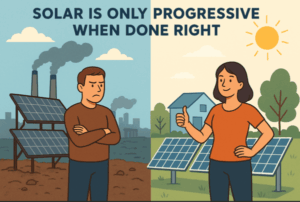
But going green is only truly progressive when it is done right.

Too often, homeowners and businesses are left with underperforming systems sold on vague promises based only on utility bills and assumptions; not on actual usage or site data.

Without designs grounded in factual analysis of energy usage and site conditions, solar risks becoming just another expense rather than a tool for energy independence.

At SolarBuzz, we believe progress should be measurable, not assumed. 

Our solar solutions are engineered and tailored to actual consumption, unique site layouts, and long-term energy goals. 

This approach ensures that every system we install delivers on performance, savings, and ROI as promised, while also reducing carbon emissions.

Progress That’s Measurable, Not Assumed

Progress is achieved when solar systems are built with high-quality, long-lasting equipment, designed through precise data analysis, and installed to maximize performance and measurable CO₂ reduction.

SolarBuzz has been entrusted by clients across Jamaica to install, upgrade, and optimize systems that allow them to adopt environmentally responsible practices while saving significantly on energy costs.

Case in Point: Fleetwood Jamaica Ltd.
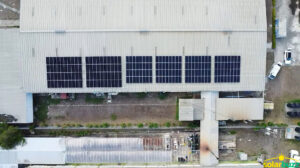
In May 2022, Fleetwood Jamaica Ltd. partnered with us to reduce their reliance on fossil fuels and lower energy costs. 

After a detailed load profile analysis, we designed and installed a 53.1kW grid-tie system projected to offset 54% of grid consumption and reduce CO₂ emissions by 57.49 tonnes annually.

The results spoke for themselves: 51% offset, annual savings of J$3,077,214, and CO₂ reduction of nearly 80 tonnes. 

Encouraged by these measurable results, Fleetwood initiated a second phase in 2024, adding a 43.6kW system. 

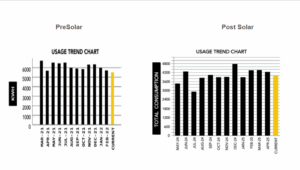
Today, they enjoy a 75%-80% energy offset from prior peak usage and total CO₂ reduction of 248.5 tonnes. 

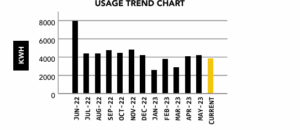
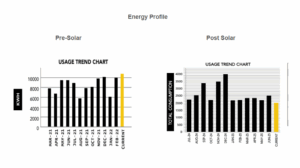
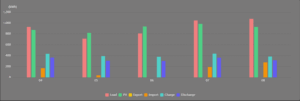
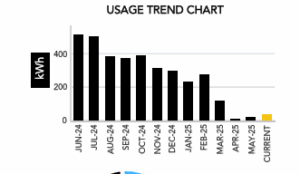
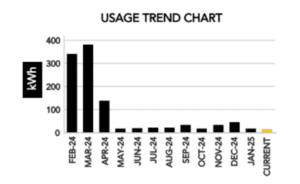
Their monthly electricity bills as seen in the graph below reflect over 7,000 kWh in savings, proof of how going green is progressive when done right.

Progress That Allows You to Do More With Less

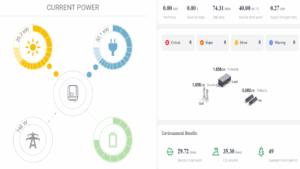
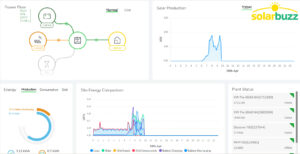
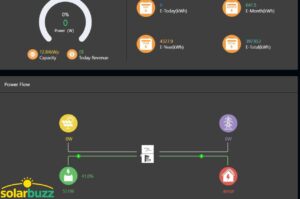
Our systems are not only designed to deliver savings; they are equipped with real-time monitoring and performance tracking to maximize value. 

Clients can see how their systems perform daily and adjust their energy use for even greater efficiency.


This capability allows businesses to scale production or homeowners to run appliances, charge EVs, and work from home during peak sunlight all while reducing grid dependency.

Case in Point: Gray’s Peppers
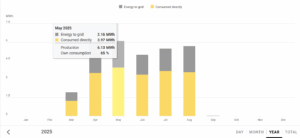
Gray’s Peppers sought to offset energy costs while boosting production. We installed a 38kW system projected to generate 4,307 kWh monthly and offset 35% of grid use. 

Our online monitoring of the system shows consistent performance within design expectations. 


With an average offset of 34%, Gray’s Peppers has been able to expand operations without compromising projected savings.

Progress That Supports Modern Lifestyles

Solar isn’t just about savings; it’s about enabling a sustainable lifestyle.

Case in Point: Residential Client with EV Charging Needs
One of our featured homeowners wanted to upgrade his system to meet new EV charging needs. 

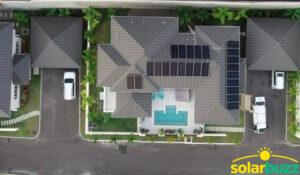
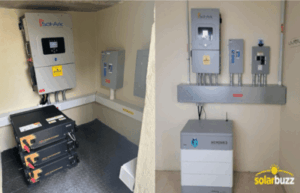
After analyzing his load profile via online monitoring data, we upgraded his existing grid tie system to 11.92kW with a 19.2kWh battery and a 15kW SolArk inverter, providing an output of 1,200 kWh per month. 

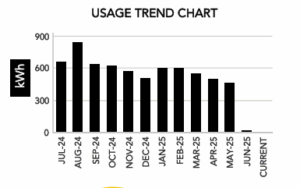
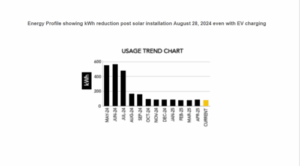
The electricity bill graph below shows the system performing as designed, powering daily EV charging and household needs, and further proving that going green the right way enables seamless integration with modern living.

Case in Point: Client with Remote-Work Office and EV Charging Needs
Another of our residential clients sought resilience against power outages and the flexibility to work from home while charging his EV. 

After analyzing his profile, we designed and installed a 14.72kW LFP battery system for his home.

Since April 2025, he has enjoyed free daytime EV charging, uninterrupted productivity, and an 87% energy offset, making sustainability both practical and progressive.

Smart Systems for Smart Green Financing

When solar systems are designed using full load profiles, projected savings align with real performance. This makes them not only reliable but also ideal for financing.

At SolarBuzz, our data-engineered approach guarantees systems that support loan repayment schedules, replacing electricity bills with predictable loan obligations thus giving clients peace of mind.

Case in Point: Smart Energy Financing
One of our clients came to SolarBuzz with a clear goal: to cut his electricity bills as much as possible while securing financing through one of our banking partners.

For this client, achieving maximum solar savings was essential to ensure that his monthly loan payments could be seamlessly covered by the energy cost reductions.

In May 2025, we designed and installed an 8.2kW lithium iron phosphate (LFP) battery-based system, tailored to his energy profile and projected to offset 84% of his grid usage.

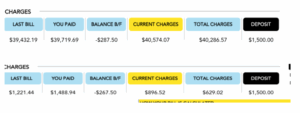
Already, our client is experiencing a drop in their bills from J$40,000 to J$630, exceeding our predictions!

Similarly, another client leveraged the NHT’s Smart Energy Loan to finance with us a 4.36kW LFP battery system, projected to offset 90% of her total energy usage. 

Since installation in February 2025, her system has performed consistently, with savings covering her loan obligations and serving as a true demonstration of how going green can be progressive when done right.


Progress That Empowers a Greener Future

When solar is engineered with precision, installed with integrity, and supported with monitoring, it becomes not just a system but a tool for measurable progress. 

Whether enabling businesses to scale, households to adopt EVs, or clients to finance sustainability with confidence, SolarBuzz ensures that going green is not just a choice but a smart, progressive investment.

At SolarBuzz, progress is always measurable, reliable, and empowering.

Solar progress, when done right, empowers you to save more, live better, and build a greener future.

If you wish to explore how we can design a data-engineered system tailored to your energy needs, please contact us today and start living your better, greener life!

Deidre Wedderburn is the Client Relations Manager at SolarBuzz, dedicated to building long-term partnerships and delivering a top-tier client experience (deidre@solarbuzzjamaica.com).
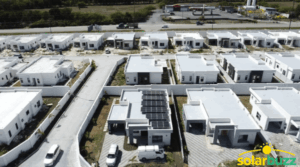
– When solar energy and your EV unite

Electric vehicles (EVs) are gaining momentum not just as cost-effective transportation but also as a key step toward reducing carbon footprints, protecting the environment, and achieving a sustainable lifestyle.

More EV owners are now turning to solar energy to enhance their eco-friendly lifestyle and protect themselves from rising and unpredictable energy costs. 

The economic benefits of installing solar energy systems for EV charging are compelling. Once the initial investment is recouped, homeowners can generate their own electricity, effectively powering their EVs for free.

This long-term return on investment (ROI) makes solar a powerful incentive for EV owners seeking both financial savings and environmental sustainability.

Real Clients, Real Results

Solar Buzz has seen a growing demand from EV clients seeking to reduce their carbon footprint without increasing their energy bills.

This week, we highlight two of our EV clients who have successfully aligned their transportation needs with a strong commitment to renewable energy.

Looking to reduce reliance on the local grid, our featured clients turned to Solar Buzz for efficient, future-ready solar solutions.

We designed and installed lithium iron phosphate (LFP) battery-based systems – known for safety, durability, and efficiency – projected to offset an average 85% of their energy use.

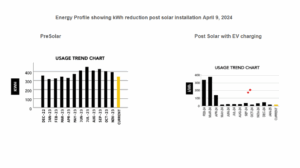
The JPS energy consumption graphs help to track monthly energy savings.

The sets of graphs below show that, since installation, the solar output is consistently meeting (and in some cases surpassing) 85% of the household and EV charging needs, aligning with our design projections.


Faster Payback, Bigger Savings

Did you know that charging your EV during peak sun hours can accelerate your return on investment? The more solar power you use, the faster you recoup your investment.

EV chargers require a significant amount of power, and using solar energy to charge during the day helps you maximize the value of your system.

Even clients who added EV chargers after their solar installation saw their savings continue to grow.

On average, our clients have reduced their monthly electricity bills to J$2,100, down from an average of J$38,000 before going solar – an impressive 95% average energy savings!

By charging their EVs during the day, clients not only exceeded their projected grid energy offset but are also on track to shorten their system’s payback period significantly.

Driving Future Energy Needs

With the rise of EV adoption across the island, Solar Buzz’s customized solar solutions are helping Jamaicans gain energy independence while lowering their carbon footprint. 

Our comprehensive services that range from solar installation to safe EV charger integration and maintenance are designed to meet the evolving needs of today’s energy-conscious consumers. 

The success of our EV clients demonstrates how solar power can reshape how Jamaicans fuel both homes and vehicles, paving the way for a cleaner, more sustainable future. 

Solar Buzz remains committed to leading the way in delivering clean energy solutions for a sustainable green future.

Let us show you how rewarding it is to plug into the sun.

Deidre Wedderburn is the Client Relations Manager at SolarBuzz, dedicated to building long-term partnerships and delivering a top-tier client experience (deidre@solarbuzzjamaica.com).
Solar energy is a low-risk, high-return investment offering lower utility bills, increased property value, and energy security. 

However, not all solar systems are created equal.

To protect and maximize your investment, it is crucial to work with experienced providers using quality equipment and forward-thinking system designs.

This guide outlines what to look for when selecting a solar company for the purchase or financing of a solar system.

1. High Quality Equipment 

1.1 Choose premium quality solar panels, inverters, batteries and other components to ensure system durability and longevity. Ensure that the solar provider uses equipment with high efficiency and performance ratings so as to protect against  early system failure and minimize costly replacement. 

1.2 Choose batteries, panels, inverters with lifespans of 15 – 20 years to ensure consistent energy production and cost savings. Similarly, select equipment with long warranties – 25 years for panels and 10 to 15 years for batteries – to secure system longevity and return of investment.

1.3 Prefer Lithium Phosphate Iron (LFP) batteries that can discharge fully very quickly for enhanced reliability during any extended grid outage.

2. Safe and Compliant Installations

2.1 Ensure system installations are done up to Jamaica’s electrical code to pass any GER inspection that is required for solar tax credit or net billing applications.

2.2 The solar provider has a standard of engineering systems to withstand hurricane-force winds beyond national grid resilience. Presently, the national grid’s resilience is at CAT-3 hurricane force winds. 

2.3 Choose companies that design, install, and maintain systems according to insurance policy standards so as to manage risks effectively.

3. Data-Driven System Design

3.1 Systems are engineered using actual energy usage data and not estimates derived from (JPS) energy bills. 

3.2 A data-driven approach helps to determine whether a grid tie or battery based system best meets a household’s energy needs.

3.3 Companies that offer data-driven designs reduce the risk of underperforming systems so lenders can be assured of consistent energy savings to support loan repayments.

4. Expertise in Optimizing System Design

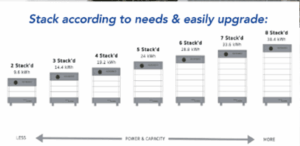
4.1 Design systems with scalability in mind to accommodate future needs without costly overhauls. 

4.2 Advise on optimal panel placement based on roof orientation and whether or not any structure is needed to host additional panels. 

4.3 Balance current and future energy needs to secure long-term investment value. 

5. Use of Modern, Insurable Equipment

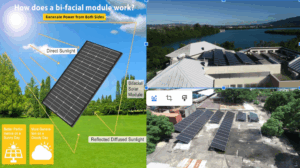
5.1 System designs include advanced technology that maximizes returns at no added cost for example Bifacial panels that can generate up to 60W more per panel when installed at a tilt.

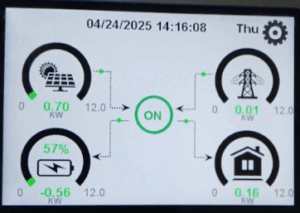
5.2 Include an online monitoring app for real-time system performance insights and proactive solar provider support.

5.3 Choose solar providers with an active maintenance program that is designed to meet insurance standards.

6. Energy Consultation and Cost Savings Projections

6.1 Installers should be able to advise on how to maximize daytime energy production while preserving batteries for nighttime use. 

6.2 Solar providers should be able to assess if net billing is feasible and explain how it can boost savings.

6.3 System design should include projected energy savings and how financing impacts payback periods.

7. Experience with Proven Expertise

7.1 Partner with companies with at least 10 years in the industry that have a proven track record.

7.2 Partner with companies that understand the local energy landscape and are familiar with a wide range of equipment, as this gives them the ability to tailor solutions for differing energy needs. 

7.3 Select companies that invest in research, training and staying up to date on new technologies, as this makes them better equipped to meet evolving energy demands. 

8. After-Sales Support and Warranty Assistance

8.1 Ensure the solar provider offers accessible support for system settings, monitoring and consultation, and upgrades.

8.2  Choose solar providers with an active maintenance program that helps to secure system longevity and optimal performance.

8.3 Partner with companies that are able to handle warranty claims including upgraded replacements if models are discontinued.

9. Reputation, Visibility and Advocacy

9.1 Select companies with strong online visibility, positive reviews, client testimonials, and references.

9.2 Choose solar companies that actively advocate for client interests in energy policy discussions.

9.3 Verify if the solar provider has partnerships with reputable lenders such as banks, the National Housing Trust (NHT) and Development Bank of Jamaica (DBJ).

10. Guidance on Government Policies and Incentives

10.1 Partner with solar providers who are knowledgeable and experienced about net billing policies and application procedures.

10.2 Solar companies should offer administrative support and guidance with government incentives such as the recently implemented solar tax credit. This is key especially in cases where the incentive can significantly impact the payback period of your solar investment.

10.3 Prefer providers who actively engage in policy advocacy to protect client interests. 

Invest with Confidence

Solar is a proven solid investment but only when approached with quality, foresight, support and expertise. 

Prioritizing high-quality equipment, data-driven system designs, safe installations and reliable post-installation support secures optimal system performance and return on your investment.  

Choosing an experienced, accessible solar provider who can navigate policies and advocate for your interests is key to making your solar journey profitable, sustainable, and hassle-free.

Deidre Wedderburn is the Client Relations Manager at SolarBuzz, dedicated to building long-term partnerships and delivering a top-tier client experience (deidre@solarbuzzjamaica.com).

Powering a Greener Future

In a time where sustainability is no longer just an option but a necessity, the real estate and financial sectors are uniquely positioned to lead the charge toward a cleaner, more economically sound future. 

The global shift toward renewable energy is undeniable and solar energy stands at the forefront of this transformation. The benefits are clear —lower energy costs, reduced carbon footprints, and energy independence for homeowners and businesses alike. 

Unlocking the full potential of solar integration requires developers and financial institutions to work hand-in-hand, and offer attractive, flexible and secure financing solutions that treat solar as the high-yield investment that it is. 

The Synergy of Bankers and Developers 

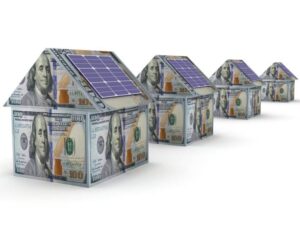
Solar energy systems are tangible, low-risk assets offering homeowners significant savings, developers a competitive edge and banks the security of their investment. 

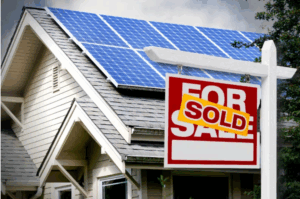
According to a 2024 U.S. study, homes equipped with solar systems sold for an average of 6.8% more than comparable homes without solar and spent less time on the market.

This premium reflects the growing demand for energy-efficient homes and makes a compelling case for developers to include solar in their projects.

Replacing monthly utility bills with solar loan payments of a similar or lower amount allows homeowners to reduce living costs without compromising their lifestyle or financial stability.

With one less major bill to worry about, the likelihood of loan defaults drops significantly. 

Current data shows that the default rate for green energy loans is less than 1% making homes with installed solar systems a safe bet for banks.

Developers must design and build homes that are solar-ready or solar-integrated and banks need to create green loan products that match this forward-thinking approach.

Debunking Risk Aversion

Solar panels are income-generating assets. A properly installed solar system can save homeowners thousands of dollars over its lifetime and increase property value. 

Homeowners can also generate additional savings by selling back any surplus energy to the grid through a Net Billing license. 

Modern solar systems that are data-engineered and include online monitoring, extended warranties, and long equipment lifespan are ideal collateral for financing. 

Systems that are GER-certified, professionally installed, and maintained through structured programs reduce lending risk and ensure optimal system performance.

These features allow solar systems to function as secure collateral, much like a home or vehicle, which reduces risk for banks and enables competitive loan rates.

In the rare event of a loan default, the modern design and warranties of solar systems enable easy resale to schools, nonprofits, or existing bank customers.

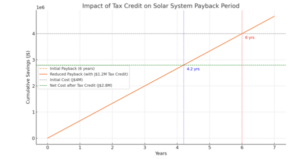
Solar systems typically have a payback period of 4 to 6 years. For many PAYE employed who are leveraging the new solar tax credit, the payback period shortens.

Banks can further reduce risk by offering incentives to borrowers who apply their tax refunds to their loan balance.

Financing a Greener Future

Banks need to offer financing models that are just as innovative as the solar systems themselves:

  • Incorporate solar into mortgages – Include solar systems in initial mortgage financing. Spreading the cost over a longer term makes systems more affordable and reduces default risk.
  • Use solar systems as collateral – Given their high quality equipment, lifespan, warranties, and online monitoring capabilities, modern solar systems can serve as loan collateral. This approach protects the homeowner’s equity and reduces risk for lenders.
  • Offer competitive interest rates – Secured loans, using the solar system as collateral, should have interest rates below the 15% – 19% that is currently on the local lending market. Lower rates encourage adoption and reduce defaults.
  • Bundle EV and solar loans – Reduced interest rates for loans that combine a solar system with the purchase of an electrical vehicle (EV) is a dual investment that amplifies savings for homeowners. Solar energy can power both homes and vehicles further reducing monthly expenses and default risks.
  • Leverage Net Billing for non primary residences – Require Net Billing licenses for  non-primary residences to enhance their savings and reduce the likelihood of loan defaults.
  • Mandate system maintenance – Require active maintenance as a clause in insurance coverage to ensure solar systems operate at optimal levels and protect the loan investment.

The National Housing Trust (NHT) is leading the way with revamped energy loan offerings like the Smart Energy Loan (up to J$2.5M) and Home Improvement Loan (up to J$5M) per contributor as of July 2024.

Banks should follow suit by offering secured solar financing backed by quality systems, long warranties and a maintenance program rather than relying on home liens

Developers, in turn, need access to financing with favorable terms so as to integrate solar into their designs without sacrificing profitability.

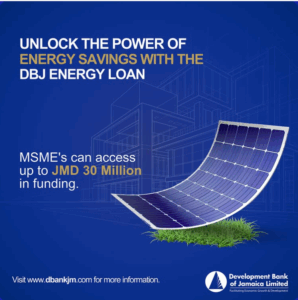
The Development Bank of Jamaica (DBJ) through its Credit Enhancement Facility (CEF), provides banks with funds for green energy loans for commercial clients where solar systems serve as collateral. Developers can therefore benefit from DBJ-backed competitive green financing.

Designing for the present

Developers can mainstream solar energy by incorporating it into their designs from the outset. Key design considerations include below:

  • Roof Space Optimization – Ensure adequate, unshaded roof space for solar panels.
  • Proximity to Infrastructure – Position main breaker panels close to designated solar equipment spaces for efficient installation.
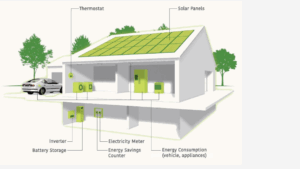
  • Battery Storage Readiness – Allocate dedicated indoor spaces for battery equipment to support energy storage.
  • Pre-Wired Solar Circuits – Install breakers specifically for solar systems 
  • Solar Expertise and Aftercare Services – Collaborate with certified solar providers for installation and maintenance to ensure long-term system performance and insurability.

Integrating these features increases a property’s appeal and sale value, incentivizing more developers to embrace solar-ready designs.

A Win for All

Solar energy is a transformative investment with proven returns for homeowners, developers, and banks. 

Banks can reimagine their lending practices, recognize the real value of solar systems and attract new customers with competitive green energy loans.

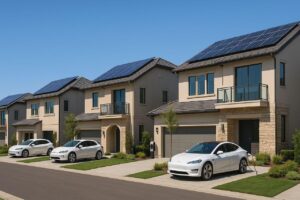
Developers can integrate solar systems into their offerings to enhance property value, accelerate sales, and meet growing consumer demand.

With low default rates, expanding consumer interest, and financial support from institutions like the DBJ, there has never been a better time for banks and developers to align and power a greener future together.

Deidre Wedderburn is the Client Relations Manager at SolarBuzz, dedicated to building long-term partnerships and delivering a top-tier client experience (deidre@solarbuzzjamaica.com).
In today’s climate of unpredictable weather patterns, rising energy costs and increasing reliance on modern amenities, solar energy is a strategic investment rather than just a sustainable choice.

From weather resilience and financial independence to increasing property value and providing unmatched peace of mind, solar energy offers a wealth of benefits that make it a solid long-term investment. 

Weather Resilience

Extreme weather events such as hurricanes, are becoming more frequent and intense, putting pressure on aging electrical grids.

A direct hit from a strong storm could easily leave thousands without power for days or even weeks. 

Solar energy systems, when paired with battery storage, offer a reliable solution for both homeowners and vacation villa owners ensuring that their family or guests have access to electricity and essential amenities even when the grid fails. 

This kind of weather resilience is a game-changer especially for vacation rental owners, as it offers guests a seamless experience while setting your rental apart in a competitive market and safeguarding your revenue stream.

Upfront Investment

The upfront cost of solar installation is an investment that pays off in a short period of time.

On average, residential solar systems with battery storage offer a return on investment within 4-6 years. This payback period can be even shorter as electricity rates continue to rise.

Homeowners can also maximize their returns by increasing daytime energy usage, effectively putting to use any excess solar energy that would otherwise go unused once their batteries are fully charged.

During the payback period, solar replaces your electricity bill while allowing you to invest in your own infrastructure or other opportunities.

With electricity rates still subject to global volatility and price hikes triggered by supply disruptions, oil market shifts or even local grid upgrades, solar energy shields you from these variables. Solar energy locks in predictable savings and provides a hedge against inflation in the utility sector.

Property Added Value and Revenue Security

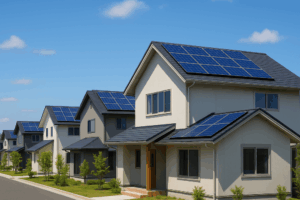
Properties with installed solar systems enjoy higher resale value and market appeal.

Property owners who sell before the payback period ends can still benefit from accelerated financial returns by commanding a more competitive sale price. 

Vacation rental property owners stand to gain significantly from solar adoption.

Guests expect comfort and reliability, and a solar-powered villa offers them a superior experience that is uninterrupted by blackouts and free from energy usage restrictions without you bearing the burden of high energy bills.

This gives your property a competitive edge in the market since you can avoid passing fluctuating utility expenses onto guests. 

Furthermore, solar energy acts as a premium amenity that can justify higher nightly rates and boost income potential.

It also appeals to the Eco-Tourist that appreciates clean energy, enhancing your property’s attractiveness to the growing eco-tourism market.

Smart Investment for EV Owners

For those who own or plan to purchase an electric vehicle (EV), investing in solar energy is a no-brainer.

Harnessing solar energy to charge your EV in the day time can significantly reduce or even eliminate reliance on the grid, reducing your monthly expenses.

With the Jamaica Public Service (JPS) already approved to implement special billing for EV owners due to anticipated demand pressure on the grid, installing solar energy gives a clear advantage.

Solar becomes a proactive investment that allows EV owners to sidestep potential surcharges and truly enjoy energy independence.

Investment of a Lifestyle

Investing in solar energy is not just a financial decision but a lifestyle upgrade.

Solar allows homeowners to fully enjoy the comforts of modern living – especially the use of the air conditioning unit during increasingly hot days and nights – without the worry of high electricity bills. 

Additionally, modern solar systems include online monitoring tools that provide real-time insights into energy production and your usage.

This kind of monitoring empowers you to manage your energy consumption efficiently and inadvertently helps you to get the most out of your system while maximizing long-term savings.

Accelerated Investment Returns

The recently introduced solar tax credit further tilts the scales in favor of solar energy as an investment.

Homeowners can now claim up to 30% of the value of their system, capped at J$4 million which translates to a potential tax credit of up to J$1.2 million. This incentive can significantly shorten the payback period on your solar investment.


For PAYE-employed individuals who financed their solar system, this incentive is even more impactful since the tax credit is issued as a cash refund and can therefore be used to reduce loan balances if desired. 

Additionally, the cash refund from this solar tax credit can be reinvested into other opportunities, such as home renovations, upgrading your solar system, or ongoing maintenance to ensure optimal long-term performance and continued savings.

A Future-Proof Investment

With a payback period that is shrinking thanks to tax incentives and rising utility costs, the case for solar energy as an investment is stronger than ever.

Installing solar energy is a strategic move for financial security, property enhancement, energy resilience and peace of mind.

Invest today, and enjoy the rewards of resilience, savings, and independence for years to come. 

deidre@solarbuzzjamaica.com