
The EU will cut electricity taxes and provide consumers with fresh incentives to ditch fuel-burning cars and boilers, the European Commission has announced, as the energy crisis from the Iran war speeds a shift to a clean economy.

The plan, which foresees tweaking rules so that electricity is taxed less than oil and gas, aims to bring down bills while encouraging the move away from polluting devices that prolong reliance on foreign fuels.

The commission said it would adopt temporary state aid rules to allow member countries to directly shield consumers and businesses from high energy prices, but it warned that any support must be “targeted, timely and temporary”.

It stopped short of measures introduced after the Russian invasion of Ukraine, such as a windfall tax on oil and gas companies, which five EU finance ministers had called for earlier this month. The commission also ruled out a cap on gas prices, which energy experts had warned would be counterproductive.

“By investing in clean energy and electrification, we unlock more money for our economy,” said Dan Jørgensen, the energy and housing commissioner. “In the future, instead of buying something and burning it to get energy and buying it again, we need to produce our own homegrown clean energy.”

Europe sped up its deployment of wind turbines and solar panels after the last energy crisis in 2022 but has made little headway in replacing machines that burn oil and gas. The lingering reliance on foreign fuels has left the EU vulnerable to price spikes since the war in Iran, which some analysts fear will persist even if the war ends quickly.

The commission said it would set an electrification target before the summer and propose action to lower the price ratio between electricity and fossil fuels. Experts say this is a key factor in whether consumers and industries adopt cleaner technologies, including by phasing out fossil fuel subsidies.

Proposals to change the EU’s fragmented tax systems require unanimous approval from member states and have historically been hard to pass. Green groups said the plans consisted of “half measures”.

Antony Froggatt, of the campaign group Transport and Environment, said: “These go in the right direction but fail to create the right EU instruments both on the revenue and financing sides. As oil companies make tens of billions in war profits, windfall taxes that relieve the financial pain for European households are critical.”

Under the plans announced on Wednesday, the commission will adopt a legal proposal in May that would incentivise cost-effective use of the electricity grid infrastructure and more flexible consumption habits. It would also give member states and national regulators greater freedom to cut charges and taxes for vulnerable groups and energy-intensive industries.

Louise Sunderland, of the Regulatory Assistance Project, an energy thinktank, said: “The proposal to reduce network and tax elements of the electricity bill, which account for on average across the EU over 50% of the household bill, is a quick-acting step in the right direction. But these reforms will only be as effective as their implementation – and many governments have not yet made use of their existing ability to reduce taxation on electricity.”

The commission also plans to coordinate the filling of gas storage sites well before the winter months, as well as the procurement of jet fuel, which could soon be in short supply. It announced a new observatory to monitor transport fuels and allow it to act before shortages.

Jørgensen said the nature of the crisis meant countries needed the freedom to help struggling industries and households, but he added: “Since our long-term goal is to transition away from fossils, anything we do that might – directly or indirectly – subsidise fossils needs to be temporary and needs to be very targeted.”

Jørgensen has spoken in favour of radical fuel-saving measures proposed by the International Energy Agency last month, such as driving less and avoiding flights. Long supported by climate activists to stop the planet from heating, these measures were absent from the main package but appeared in an annexe of good practices adopted by national governments.

Jørgensen said: “On the demand side, we obviously still encourage member states to do whatever they can to bring down demand. Which specific measures member states choose to use, we think is best for member states to decide.”

The Guardian
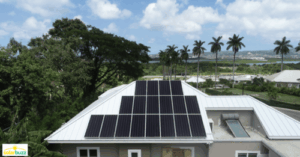
Demand for rooftop solar systems across Europe has surged since the start of the Iran war, as households rush to shield themselves from soaring power prices triggered by the worst global energy disruption in history.

The ​conflict has pushed oil, gas and electricity prices sharply higher, hitting companies and households alike and accelerating efforts to find cheaper alternatives and reduce exposure to volatile energy ‌markets.

Solar is among those options, with demand from homeowners more than doubling for some industry players since the war began in late February, according to interviews with more than half a dozen energy equipment wholesalers and renewable utilities in Germany, Britain and the Netherlands.

It’s a timely boost for a technology that accounts for about a third of Europe’s total power capacity, but saw the pace of new installations dip last year for the first time in ​nearly a decade. Industry advocates argue Europe still needs to do far more to cut its reliance on imported oil and gas.

“The war has merely exposed the problem that has ​existed all along: energy dependency,” said Janik Nolden, co-founder of German privately owned solar equipment wholesaler Solarhandel24, adding European governments had been “walking into a ⁠trap”.

‘THIS IS ABOUT EUROPEAN RESILIENCE’

Solarhandel24 said net sales more than tripled in March to nearly 70 million euros ($82 million) from a year earlier, and are expected to triple again this month to ​as much as 60 million euros. The company plans to expand its workforce by about 85 people, roughly a third, to cope with demand.

To secure supply, Solarhandel24 has stocked up around half a ​million solar panels in recent weeks – a costly decision, Nolden said, but one he sees as worthwhile given the potential for net sales to rise to around 400 million euros in 2026 from about 250 million euros last year.

Germany’s Enpal is seeing a similar trend. The energy firm said orders rose 30% year-on-year in March to 130 million euros, while April was on track for a 33% increase to about 120 million euros, driven by rooftop ​solar installations.

“This is about European resilience,” said Enpal CEO and founder Mario Kohle. “We are seeing this trend in the defence sector too. Just as Europe must be able to defend itself, we must ​be able to supply our own energy.”

The financial figures from Solarhandel24 and Enpal have not been previously reported.

While aggregated installation data for Europe are not yet available, industry associations in Germany and the Netherlands have confirmed ‌a pickup ⁠in demand since the war began.

Executives say homeowners are increasingly opting for full systems combining solar panels – nearly 90% of which are supplied by China – with batteries and electric-vehicle wallboxes, allowing surplus power to be stored and used later.

That trend is also lifting demand for energy storage technologies, which Holland Solar’s Wijnand van Hooff says is seeing demand increases of 40%-50%.

“This cannot be explained by purely seasonal factors,” said Filip Thon of E.ON

Europe’s largest energy network operator, which also sells rooftop solar systems. Customer requests, he said, have nearly doubled year-on-year.

A STRUCTURAL SHIFT?

Some executives also point to upcoming changes ​to Germany’s renewable energy law as an additional ​driver of demand for rooftop installations, which ⁠typically cost between 10,000 and 20,000 euros for an average family home.

The war-driven surge comes after the pace of new European solar installations slowed

 in 2025, according to industry lobby SolarPower Europe, with weak residential demand a key factor following the phase-out of support schemes.

Shaes in SMA solar, the world’s third-largest ​solar inverter maker and one of the few remaining European equipment producers, have risen about 50% since the war began. The company has ​also reported an uptick in ⁠demand.

“We view the spike in demand as a structural shift that current geopolitical events are accelerating, not creating,” said Ed Janvrin, who heads the solar and heating business at Britain’s OVO Energy, adding April sales in the division were roughly 10 times higher than a year earlier.

Chinese solar manufacturers, however, say any war-related boost in global demand is unlikely to significantly ease the sector’s overcapacity, with China alone having enough ⁠manufacturing capacity to ​meet this year’s expected global demand nearly twice over.

Even so, the surge highlights how geopolitical shocks can rapidly reprice ​the value of renewables, said Jannik Schall, co-founder of German renewables firm 1Komma5Grad, noting that solar demand during the 2022 energy crisis had been even stronger.

“The recurring energy crises prove the renewables sector right.”

Reuters

After news broke of a two-week ceasefire in Iran, stock markets across the globe rallied and the price of crude oil plunged.

But there is less optimism over how much this will feed through to people’s finances, with fears long-lasting damage has already been set in motion.

The last month has seen ships carrying oil, liquid natural gas and fertiliser effectively blocked from passing through the Strait of Hormuz, while significant damage to facilities in the Gulf has halted production.

Even if the ceasefire holds and a peace deal is reached in time, analysts estimate it will take months to restart production and get supplies back to normal.

No immediate change to rising fuel prices

Despite today’s plunging crude oil price, it remains higher than pre-war levels and drivers should not expect a significant drop in costs at the pump soon, says the RAC.

Its head of policy Simon Williams says there is still huge uncertainty for drivers, and their best hope is for pump prices to stop rising in the coming days.

But he says some smaller independent forecourts – which buy oil as it costs on the day rather than in advance at a set price – may be quicker to pass on reductions.

“Much will depend on the stability of the ceasefire, whether oil shipments can move freely through the Strait of Hormuz, and the longer‑term impact on oil production across the Gulf,” he says.

He adds a sustained lower price – over several weeks – is needed to meaningfully lower wholesale fuel costs.

Rachel Winter, from the wealth management company Killik & Co, says it is difficult to predict how quickly costs at the pump might fall.

“I would expect it to take at least a few weeks, if not a few months,” she told BBC Radio 4’s Today Programme.

Meanwhile, jet fuel is roughly double its pre-war levels.

Willie Walsh, the boss of the International Air Transport Association (IATA), says even if traffic through the waterway resumes now, it will take months for supplies to reach the level they need to be at.

Passengers should expect higher ticket prices in the meantime, he says.

Some airlines have already hiked fares, while some have cut routes.

Even if jet fuel were able to flow through the strait, it still needs refining – and some facilities have been damaged, Winter adds.

Alan Gelder, senior vice-president of Refining, Chemicals and Oil Markets for energy analysts Wood Mackenzie, says the whole supply chain needs to return to normal, with ships getting to the right place and refineries resuming operation. That’ll take “weeks, not days”, he believes.

Food still expected to become more pricey

A third of the world’s fertiliser usually passes through the Strait of Hormuz, and consequently prices have shot up in recent weeks.

It has already become more expensive to transport food across the UK, and for farmers to operate agricultural machinery powered by increasingly expensive diesel, while crop growers who use energy to warm their greenhouses will be facing hikes when the energy price cap resets in July.

The Food and Drink Federation, which represents thousands of UK manufacturers, says the ceasefire hasn’t ended the “long‑term uncertainty”.

Recovery to supply chains and energy infrastructure in the Gulf is expected to take between six months and a year, says Dr Liliana Danila, its chief economist.

“This means manufacturers will continue to feel the impact of supply chain disruptions for oil, gas, fertiliser, packaging materials and essential cleaning chemicals, keeping costs under strain for months to come.”

Even if the conflict ends within the next two weeks, it expects UK food inflation to reach at least 9% before the end of the year.

Wholesale gas prices likely to stay high

So far, households under Ofgem’s energy price cap have been shielded from the spike in wholesale energy prices.

The cap resets for three months in July, and we are more than halfway through the window the regulator uses to calculate the new price. Experts have been expecting a big jump at this point.

The government has promised support based on household income, but hinted this might not come until autumn.

Dr Craig Lowrey, principal consultant at Cornwall Insight, says a ceasefire eases some of the immediate pressure on gas markets but “does not wipe the slate clean”.

If the strait opens and stays open this will ease prices and be reflected in the July price cap, he says, but adds: “Unless prices fall well below where they were before the conflict, the wholesale price rises seen through March and early April will still feed through to bills.”

Lars Jensen from Vespucci Maritime says companies will want reassurances on how vessels can transit safely, and he doesn’t believe the two-week pause will be enough to restore trust.

“We should see an increase in exiting vessels,” he told Today.

“We will likely also begin to see a trickle of vessels going into the Gulf, but those two will not be of the same magnitude.”

Aside from movement through the strait, Lowrey says damage to gas infrastructure in Qatar will take years to rebuild, meaning supply constraints will continue.

“As a result, even with a ceasefire, wholesale gas prices are likely to stay elevated for some time, limiting how far the July price cap can fall.”

BBC

Global oil prices have risen as concerns grow over whether a fragile US-Iran ceasefire will hold after Israel launched a wave of strikes on Lebanon.

The attacks led Tehran to warn of a “regret‑inducing response” if they continue, while US President Donald Trump has said the country’s forces will remain in the region until Iran complies with the “real” ceasefire agreement.

Oil prices had plunged on Wednesday after an agreement to pause the conflict was announced, which included the reopening of the key Strait of Hormuz waterway.

But reports that Iran said the crucial shipping route will stay closed because of the Israeli strikes has renewed fears of a lengthy disruption to energy supplies.

Global benchmark Brent crude rose 2% to $96.53 a barrel, while US-traded West Texas Intermediate was 2.8% higher at $97.02 as pressure mounted on what Vice President JD Vance described as a “fragile truce”.

Stock markets also reversed some of the major gains they made on Wednesday. Japan’s Nikkei 225 index closed down 0.5%, while in Europe the UK’s FTSE 100 slipped 0.4%, Germany’s Dax index was 1.3% lower and France’s Cac was down 0.8%.

“I think there’s a little bit of nervousness in global markets,” Victoria Scholar, head of investment at Interactive Investor, told the BBC’s Today programme.

“Markets are giving back some gains… and I think that reflects a lot of uncertainty over whether the Strait of Hormuz is actually open.”

Sim Moh Siong, strategist at Singapore bank OCBC, said the flow of energy shipments through the strait will be the focus in the days ahead while uncertainty remains over how Tehran plans to oversee the movement of vessels.

One of the conditions of the ceasefire agreement was that ships would be able to safely use the Strait of Hormuz.

However, vessels in the Gulf have received a warning from Iran’s navy that any vessels seeking to cross the Strait of Hormuz without permission “will be targeted and destroyed”, the shipping brokerage firm SSY has confirmed to BBC Verify.

Only a handful of ships have crossed the waterway since the deal was announced – well below the rate of some 130 vessels that transited daily before the war.

It will take a minimum of 10 days to clear the existing backlog of vessels, even if the strait resumes its usual volume of shipping, according to maritime tracking firm Pole Star Global.

In recent weeks, some countries, including Malaysia, India and the Philippines – have negotiated safe passage for its ships.

“It is very difficult to plan because every day you get very different news,” said Nils Haupt from container shipping firm Hapag-Lloyd, which still has six ships in the Persian Gulf.

“Yesterday [Wednesday] was a typical day. You get the news, ‘it will now be open and something is happening now’, and then in the evening it is not happening,” he told the Today programme.

Haupt said they were still waiting for official information on whether there will be fees to pass through the Strait of Hormuz, but warned that if there were it could have a major impact.

“If this means that for the coming years there will be a fee for the Strait of Hormuz of millions which is double, triple the price of crossing the Panama Canal or the Suez Canal it would be quite ridiculous for the entire industry.”

There is disagreement over whether Lebanon is included in the ceasefire.

On Wednesday, Israel launched its heaviest bombardment of the country in this conflict, killing at least 182 people.

Hezbollah said in a statement posted on social media that it had fired rockets at northern Israel. The Iran-backed militia says it was in response to ceasefire violations.

BBC

A ceasefire deal to pause the war in Iran appeared to hang by a thread Wednesday after the Islamic Republic closed the Strait of Hormuz again in response to Israeli attacks in Lebanon. The White House demanded that the channel be reopened and sought to keep peace talks on track.

The U.S. and Iran both claimed victory after reaching the agreement, and world leaders expressed relief, even as more drones and missiles hit Iran and Gulf Arab countries. At the same time, Israel intensified its attacks on the Hezbollah militant group in Lebanon, hitting several commercial and residential areas in Beirut without warning. At least 182 people were killed and hundreds were wounded in one of the deadliest days in the latest Israel-Hezbollah war.

The fresh violence threatened to scuttle what U.S. Vice President JD Vance called a “fragile” deal.

Parliament speaker accuses U.S. of breaking Iran’s conditions

The Iranian parliament speaker said planned talks with the U.S. to seek a permanent halt to hostilities were “unreasonable” because Washington broke three of Tehran’s 10 conditions for an end to the fighting. In a social media post, Mohammad Bagher Ghalibaf objected to Israeli attacks on Hezbollah, an alleged drone incursion into Iranian airspace after the ceasefire went into effect and the U.S. assertion that it will not accept any Iranian enrichment capabilities in a final agreement.

Iranian Foreign Minister Abbas Araghchi insisted that an end to the war in Lebanon was part of the ceasefire deal with the U.S. Israeli Prime Minister Benjamin Netanyahu and U.S. President Donald Trump said the truce did not cover Lebanon.

“The world sees the massacres in Lebanon,” Araghchi said in a post on X. “The ball is in the U.S. court, and the world is watching whether it will act on its commitments.”

Lebanon’s health ministry said Israeli strikes killed 182 people on Wednesday, the highest single-day death toll in the Israel-Hezbollah war.

White House press secretary Karoline Leavitt said the closing of the strait reported in Iranian state media was “completely unacceptable.” She repeated Trump’s “expectation and demand” that the channel be reopened.

U.S. Defense Secretary Pete Hegseth said American and Israeli forces had achieved a “capital V military victory” and that the Iranian military no longer posed a significant threat to U.S. forces or the region. The Iranian military said the country forced Israel and the U.S. to accept its “proposed conditions and surrender.”

Much about the agreement was unclear as the sides presented vastly different visions of the terms.

Iran said the deal would allow it to formalize its new practice of charging ships passing through the strait, a crucial transit lane for oil. But the details were not clear, nor was it known whether vessels would feel safe using the channel or whether ship traffic had resumed. It also was unclear whether any other country agreed to this condition. The White House said Trump is opposed to tolls for ship passage through the strait.

Only 11 vessels moved through the strait Wednesday, roughly the same as in prior days, according to Windward, a maritime intelligence firm. Iran was requiring shippers to pay tolls of up to $1 a barrel for outbound oil, it said. The largest supertankers carry up to 3 million barrels of crude.

The fate of Iran’s missile and nuclear programs — the elimination of which were major objectives for the U.S. and Israel in going to war — also remained unclear. Trump said the U.S. would work with Iran to remove buried enriched uranium, though Iran did not confirm that.

White House looks ahead to peace talks

Trump initially said Iran proposed a “workable” 10-point plan that could help end the war the U.S. and Israel launched on Feb. 28. But when a version in Farsi emerged that indicated Iran would be allowed to continue enriching uranium — which is key to building a nuclear weapon — Trump called it fraudulent without elaborating.

Vance later said the deal was being misrepresented within Iran, though he did not offer details.

Leavitt said Iran’s original, 10-point plan was “fundamentally unserious, unacceptable and completely discarded.” But a new, 15-point plan Iran presented Tuesday could now “align with our own” proposal for peace, she said.

The White House also said Vance would lead the American negotiating team in talks in Pakistan aimed at finding a permanent end to the war. Pakistan said the talks could begin in Islamabad as soon as Friday.

Iran’s demands for ending the war include a withdrawal of U.S. combat forces from the region, the lifting of sanctions and the release of its frozen assets.

United Nations Secretary General Antonio Guterres’s personal envoy arrived in Iran for talks on “the way forward.”

Meanwhile, Israeli Chief of Staff Lt. Gen. Eyal Zamir said Israel will continue to “utilize every operational opportunity” to strike Hezbollah. The Israeli military said it struck more than 100 targets within 10 minutes Wednesday across Lebanon, the largest wave of strikes since March 1.

Lebanese President Joseph Aoun condemned the Israeli attacks as “barbaric.” Arab League chief Ahmed Aboul Gheit accused Israel of “persistently seeking to sabotage” the Iran ceasefire deal.

Hezbollah has not confirmed if it will abide by the ceasefire, though the group has said it was open to giving mediators a chance to secure an agreement. An official, speaking on condition of anonymity because he was not authorized to comment publicly, said the group would not stop firing at Israel unless Israel agreed to do the same.

Iran and Oman could collect shipping fees in Strait of Hormuz

Iranian attacks and threats deterred many commercial ships from using the strait, through which 20% of all traded oil and natural gas passes in peacetime. That roiled the world economy and raised the pressure on Trump both at home and abroad to find a way out of the standoff.

The ceasefire may formalize a system of charging fees in the strait that Iran instituted — and give it a new source of revenue.

The plan allows for both Iran and Oman to charge ships, according to a regional official who spoke on condition of anonymity to discuss negotiations they were directly involved in. The official said Iran would use the money it raised for reconstruction.

That would upend decades of precedent treating the strait as an international waterway that was free to transit. Such a shift would likely be unacceptable to the Gulf Arab states, which also need to rebuild after repeated Iranian attacks targeting their oil fields.

Iran’s nuclear and missile threats survive

U.S.-Israeli strikes have battered Iran and its leadership, but they have not entirely eliminated the threats posed by Tehran’s nuclear program, its ballistic missiles or its support for regional proxies, like Hezbollah. The U.S. and Israel said addressing those threats was a key justification for going to war.

Trump said the U.S. would work with Iran to “dig up and remove” enriched uranium that was buried under joint U.S-Israeli strikes in June. He added that none of the material had been touched since. There was no confirmation from Iran.

Hegseth told a Pentagon briefing Wednesday that the U.S. would do “something like” last June’s joint strikes with Israel on Iranian nuclear sites if the country refuses to surrender its enriched uranium voluntarily.

Netanyahu warned in a televised address that his country was “ready to return to fighting at any time. Our finger is on the trigger.”

Tehran insisted for years that its nuclear program was peaceful, although it enriched uranium up to 60% purity, a short, technical step from weapons-grade levels.

Airstrikes reported after ceasefire announcement

Shortly after the ceasefire announcement, Bahrain, Israel, Kuwait, Saudi Arabia and the United Arab Emirates all issued warnings about incoming missiles from Iran. That fire stopped for a time, then hostilities appeared to restart.

An oil refinery on Iran’s Lavan Island came under attack, according to Iranian state television.

A short time later, the UAE’s air defenses fired at an incoming Iranian missile barrage. Kuwait said three power and water desalination plants were badly damaged after 28 Iranian drones were launched at the country. Saudi Arabia said it intercepted nine drones.

More than 1,900 people had been killed in Iran as of late March, but the government has not updated the war’s toll for days.

In Lebanon, where Israel is fighting Iran-backed Hezbollah militants, more than 1,700 people have been killed, and 1 million people have been displaced. Twelve Israeli soldiers have died.

In Gulf Arab states and the occupied West Bank, more than two dozen people have died, while 23 have been reported dead in Israel, and 13 U.S. service members have been killed.

PBS News

Before the war in Iran broke out, the global adoption of electric vehicles was largely being driven by a number of emerging economies, including India, Mexico and Brazil, who were reporting higher EV sales than developed economies like the U.S. and Japan. Now, the surge in global oil prices triggered by the Strait of Hormuz closure, appears to have brought an unexpected boon to the EV market—with increased interest and sales reported in a number of countries.  

United States

At the start of the year, it seemed as though the EV revolution in the U.S. was dead in the water—sales in the final quarter of 2025 were at the lowest point since the end of 2022 as Biden-era government EV subsidies expired and domestic automakers pulled back on their investments in electric vehicle production. 

But first-quarter data for 2026 shows that used EV sales were 12% higher than the same time last year and 17% higher than the previous quarter. One factor likely helping push buyers toward these cars is high gas prices, which recently topped $4.00 a gallon for the first time in four years.

U.K. & Europe 

In the U.K., electric car sales reached a record high, with 86,120 vehicles sold in March. U.K.-based EV specialist Octopus Electric Vehicles said on March 25 it had seen EV leasing inquiries rise 36% since the start of the conflict. 

The French online used-car retailer Aramisauto reported its share of EV sales nearly doubled from Feb. ​16 to March 9, rising to 12.7% from 6.5%, while sales of fueled models dropped to 28% of sales from 34%, and sales of diesel models dropped to 10% from 14%. 

Germany’s largest online car market, mobile.de, told Reuters that the share of EV searches on ⁠its website has ​tripled since the start of March—from 12% to 36%, with car dealers receiving 66% more ​enquiries for used EVs than in February.

Asia 

Asia receives 80% of the crude oil that passes through the Strait of Hormuz. This has left the region hard hit by the shutdown. The uncertainty is causing an uptick in EV adoption in many countries. 

​​South Korea reported that registrations for electric vehicles more than doubled in March compared to the prior year, due in part to rising fuel prices and government subsidies. In Malaysia, Chinese EV company BYD’s distributor told Reuters that it observed an uptick in enquiries and customer interest in March compared with the first two months of the year. In Pakistan, electric rickshaws have been selling out, according to Bloomberg. 

Nepal, on the other hand, has stood out for its above average EV adoption rates. This pre-war trend has helped shield many people from the impact of the spike in oil prices. EVs made up 76% of new car sales in 2024, according to the most recent data from the energy think tank Ember. 

New Zealand & Australia 

In New Zealand, more than 1,000 EVs were registered in the ‌week that ended ⁠on March 22, close to double the week before, making it the country’s biggest week for electric vehicle registrations since the end of 2023, according to the country’s Transport Minister, Chris Bishop.

Australia, meanwhile, has already been experiencing rising EV sales in recent years, but saw a surge in new interest as consumers face rising fuel costs.  

As Australian Prime Minister Anthony Albanese said at the end of March: “I don’t think there’s anyone out there today who has bought an electric vehicle who’s regretting the decision at this point in time.” 

Time Magazine

The UK’s biggest energy firm has seen a 50% rise in solar panel sales after the US-Israel war with Iran pushed oil and gas prices up, its boss told the BBC.

Greg Jackson, head of Octopus Energy, described a “huge jolt” in sales of solar panels and heat pumps, as well as enquiries about electric vehicles and chargers, so far this month compared to February.

Jackson said households would “very likely” see higher energy bills from July when Ofgem’s price cap, which is currently shielding millions of households, is reset.

He told the BBC’s Big Boss Interview podcast that Octopus was staying optimistic about the impacts of the conflict, but planning on it being “more serious”.

Wholesale oil and gas prices have surged since the war broke out on 28 February, disrupting the production and transportation of energy across the Middle East.

Higher energy prices may lead to a rise in the cost of other goods around the world, but it often shows up first at the fuel pump.

Jackson said the UK had experienced a “much more dramatic increase in energy costs than we are likely to see here” after Russia’s full-scale invasion of Ukraine in 2022.

He acknowledged it “couldn’t be more confusing” for people that the price cap will lower prices for three months from April, while at the same time people are being warned the crisis will likely lead to future energy bill rises.

He said this had pushed households to think about renewable energy.

He said customers were saying “Look, we’ve just got to do something about it” with Octopus seeing a 50% rise in solar panel sales and 30% rise in heat pump sales, while enquiries about EVs were up more than a third, and chargers by about a fifth.

This is based on comparing the first three weeks of February and March, with Jackson saying orders and enquiries were normally fairly steady month on month.

He was also asked about recent comments to the BBC by Larry Fink, chief executive of the world’s biggest asset management company, BlackRock, comparing progress on energy in China to Europe where he just sees “a lot of talk and no action”.

Jackson said Europe was “torturing” itself over discussions about moving too fast or slow on green energy, and North Sea drilling.

China, however, was just “getting on with it”, he said, citing its state oil company’s aim to get rid of all petrol stations by 2040.

“They’re doing it because it gives them more and more resilience, more and more energy security against the kind of crisis we’re seeing yet again in the Middle East and in the global fossil fuel industries,” he said.

He brushed aside suggestions that more oil drilling in the North Sea would make the UK more resilient.

This would make only a “tiny difference”, he said, adding the fossil fuel industry will never have lots of spare capacity which is why prices go “through the roof” when there is a supply crunch.

He said the most important thing is to get the cost of electricity down in the UK, which would enable more people to use EVs and heat pumps.

While EVs would once have been regarded as expensive options, he said there was more parity now between petrol and electric models and an emerging second-hand market.

The divide where lower income households were priced out of affording EVs is “disappearing”, he added.

In the wide-ranging interview, Jackson also cited the role of the welfare state in supporting his “incredible single mum” who was studying while bringing him and his siblings up.

He said the benefits bill was often seen as too high, and there was a need to find ways to get people into work.

“And exactly as it happened for my mum, be a sort of an enabler to go on to great things,” he continued. “So I do think it’s really important that we have some of the social structures that let people get through tough times in order to become contributors.”

Jackson also touched on Artificial Intelligence (AI), warning the “relentless pace” in advancement could leave humans with very little that they are better at than machines.

We must be ready for an “incredible degree of change”, he said, adding: “There’s going to be a lot less if anything that’s unique about people and we’re going to have to really work hard to work out how we make that good for us.”

BBC News

China’s decision to end value-added tax rebates on solar panel exports and phase out incentives for making battery storage equipment could push up the cost of solar installations in Africa, which relies heavily on imported Chinese technology.

The changes, expected to take effect April 1 for solar panels and beginning next year for batteries, may complicate efforts to expand renewable energy to close vast electricity gaps across Africa, though experts say the impact likely will be manageable.

“We are likely to see solar panel prices increase in Africa, because most of the inputs come from China,” said Wangari Muchiri, an energy analyst focused on Africa’s clean energy sector. “Removing the rebate will add to existing costs, especially when you consider shipping, logistics, and other import fees.”

Africa already pays significantly more for solar equipment than other regions because of transport costs, smaller import volumes and tariffs.

China’s policy change reflects broader shifts after fierce competition among Chinese manufacturers pushed solar module prices to as little as $0.07 per watt in 2025, from $0.25 in 2022. That helped drive global adoption of solar energy but left many companies with heavy losses.

Some Chinese companies built VAT rebates into their export pricing, effectively transferring those subsidies to their overseas buyers. But Beijing has cut back on those payments as it reins in overcapacity and shifts toward more advanced technologies.

Rather than a sharp price shock, the loss of such rebates will likely gradually raise prices, setting a firmer global price floor.

“The changes are significant, but not catastrophic,” said John van Zuylen, CEO of the Africa Solar Industry Association.

“The entire recent solar boom was built on artificially cheap Chinese pricing,” van Zuylen said. “That era is now ending.”

“When a structural rebate is removed, exporters typically either absorb the cost, raise prices, or reduce discounting,” van Zuylen said. “African countries will likely feel this as a gradual upward shift in pricing rather than a single dramatic spike.”

Even with modest price increases, solar is expected to remain competitive across much of the continent, since it’s the cheapest source of energy in Africa, Muchiri said.

“Even with higher panel prices, it will still be significantly cheaper than alternatives like diesel,” she said.

“It will increase project costs slightly and might delay the project construction pipeline due to supply chain shortages and contractual changes, stockpiling rush, congestion in shipment for the countries heavily reliant on Chinese imports,” said Sonia Dunlop, CEO of the Global Solar Council, an industry association.

Battery storage, critical for providing electricity after sunset, may face a bigger challenge as incentives are phased out through 2027. Higher costs may affect smaller users the most, van Zuylen said.

“Batteries matter more than panels for Africa because storage is what makes solar reliable for off-grid and backup users,” he said.

Basil Abia, co-founder of the Nigerian energy research firm Truva Intelligence, said that “batteries have historically been expensive, and many solar installations in Africa were built without them”.

“Only recently have we started seeing more systems combining solar with battery storage,” Abia said.

He said that, even without rebates, solar modules remain relatively affordable. Through 2024 and early 2025, module prices fell sharply from around $0.25 per watt in previous years to as low as $0.07 per watt.

Demand for solar, which now supplies three per cent of power generation in Africa, is expected to continue growing as storage improves reliability. Meanwhile, the heavy dependence on Chinese equipment is drawing attention to limited local manufacturing capacity.

“The VAT removal will slow, but not reverse Africa’s clean energy transition,” Abia said. “Countries that use this moment to accelerate local manufacturing will emerge stronger. Those that do not will remain exposed to Beijing’s next industrial policy adjustment.”

AP News

Editor’s Note:

For homeowners and businesses considering solar installation, timing is becoming a more important part of the decision.

Recent developments in global solar supply chains may influence equipment pricing and availability over the coming months, making planning decisions today more consequential. Understanding these shifts can help inform more effective investment decisions.

Jamaica’s solar market remains closely connected to global supply chains, so developments abroad often shape local availability and cost structures.

This edition outlines what is changing – and what it may mean for solar adoption in Jamaica.


The global solar supply chain is entering a period of adjustment. China, the world’s largest producer of photovoltaic equipment, has announced changes to export tax rebates that have historically helped stabilize international solar pricing. This policy adjustment is expected to influence global supply chain dynamics and is likely to affect international solar pricing structures over time.

Under the new policy framework, export VAT rebates for photovoltaic products, including solar panels, cells, wafers, inverters, and other PV system components will be eliminated beginning April 1, 2026. Export rebates for batteries will decline from 9 percent to 6 percent in April 2026 before being fully eliminated on January 1, 2027.

As these incentives are phased out, procurement patterns, equipment availability, and ultimately the economics of solar installation in import-dependent markets such as Jamaica are likely to be affected. These rebates have historically helped offset exporters’ tax burdens, lowering international prices. Their removal raises the underlying cost structure for manufacturers unless those costs are absorbed through narrower margins.

“Removing export rebates raises the cost base for solar manufacturers unless those costs are absorbed through tighter margins.”

Storage-inclusive solar systems, which are increasingly important for backup reliability, may remain relatively stable through much of 2026 but still warrant proactive planning ahead of the more significant pricing adjustment expected in 2027.

While global competition may soften the full pass-through of these costs, the policy nonetheless introduces a structural adjustment in the international solar equipment market. Over the medium term, China’s policy adjustment may also enhance the competitiveness of alternative manufacturing hubs in Southeast Asia, India, and Turkey, encouraging gradual diversification within global solar supply chains.

Global Procurement Pressures

Ahead of April 2026 and its domino effects, international buyers are expected to accelerate purchases to secure current pricing structures. This “front-loading” effect typically results in shorter quotation validity periods, allocation-based supply, and temporary tightness in availability.

“Many buyers are already positioning to secure supply ahead of the policy deadlines, tightening inventory availability.” 

For Jamaica, an import-dependent solar market closely tied to China-centered supply chains through regional distributors, these movements are most likely to appear first in the form of extended lead times and inventory allocation pressures, followed by incremental adjustments in landed equipment costs.

Projects quoted locally in Jamaican dollars but procured in U.S. dollars may experience an additional layer of volatility, as shifts in global pricing interact with exchange-rate movements and freight dynamics. 

“Solar projects priced in Jamaican dollars but procured in U.S. dollars may face additional volatility as global prices shift.”

Many buyers globally are already positioning to secure supply ahead of the implementation dates, a development that may place additional pressure on inventory availability and procurement timelines in the months ahead.

Gradual Upward Pressure on Solar Installed Costs

Although market competition may absorb a portion of the change, removing export rebates increases the underlying cost base for manufacturers. Solar module pricing may therefore face upward pressure from the second quarter of 2026 onward.

Beginning in April 2026, export rebates for batteries will decline from 9 percent to 6 percent, introducing a modest increase in export-level costs that could translate into several percentage points of upward pressure on battery pricing, depending on how much manufacturers absorb through margins. A more material adjustment may emerge heading into 2027, when the remaining rebate is fully removed.

Additionally, the front-loading of purchases by international buyers is expected to create temporary global supply tightness in the first half of 2026. With demand for solar equipment remaining strong in import-dependent markets such as Jamaica, this short-term scarcity may exert incremental upward pressure on pricing in the near term, compounding the direct effect of the removed export rebates.

For Jamaican homeowners and commercial operators considering solar installation, the implication is relatively straightforward. The current procurement window may offer comparatively stable pricing conditions relative to what could emerge in 2026–2027.

“The current procurement window may offer relatively stable pricing compared with what could emerge in 2026–2027.”

Financing Pathways for Solar Adoption

Institutional Financing Channels 

A growing number of financial institutions, including JMMB, EXIM Bank, First Global Bank (FGB), CIBC and Lascelles Employees & Partners Co-operative Credit Union, offer structured financing solutions that allow solar systems to be integrated into broader property or energy investments. In many cases, once a system satisfies local insurability standards, it may serve as secured collateral within these financing arrangements.

“Once a solar system meets insurability standards, it becomes an energy asset and a financeable component of the property.” 

Solar Buzz systems are designed and installed to meet the insurability standards required within Jamaica’s insurance industry. As a result, these systems can typically be incorporated into a homeowner’s existing property insurance coverage, allowing them to function not only as an energy asset but also as a financeable component of the property itself.

National Housing Trust (NHT) Financing Programmes

The National Housing Trust (NHT), in particular, provides two notable pathways for homeowners seeking financing of solar energy into their properties:

  • Smart Energy Loan

Available to all NHT contributors for solar energy installations, offering financing of up to J$2.5 million.

  • Home Improvement Loan

Providing up to J$5 million, this facility allows homeowners to undertake structural improvements such as roof repairs or roof adjustments required for solar readiness, while also financing the installation of a solar system.

With interest rates typically ranging from approximately 3 percent to 5 percent and repayment periods extending up to 30 years or until retirement, the Trust’s programmes create a rare alignment of long-term financing and energy infrastructure investment.

For many homeowners, this creates a practical pathway to address structural upgrades and solar installation within a single financing structure, strengthening both the physical resilience of the property and its long-term energy cost stability as Jamaica approaches another hurricane season.

Looking Ahead: Solar Adoption in Jamaica

China’s export policy adjustment does not signal disruption so much as it serves as a reminder that global energy markets are continually evolving.

As international buyers adjust procurement strategies ahead of the upcoming policy deadlines, Jamaican households and businesses evaluating solar energy solutions may wish to factor these developments into their planning. 

With appropriate timing, sound financing structures, and well-designed solar systems, solar continues to offer a practical pathway toward greater energy resilience and long-term cost stability.

Jamaica’s abundant solar resource, combined with expanding financing pathways, means that thoughtful planning today can help position homeowners and businesses to navigate the evolving energy landscape with greater confidence.

By Deidre Wedderburn

Client Relations Manager, Solar Buzz

Focused on building long-term partnerships and delivering a high-quality client experience

deidre@solarbuzzjamaica.com

Editor’s Note:

In recent client communications we noted that changes to China’s export policies for solar equipment could influence global pricing and supply dynamics. Because Jamaica’s solar market remains closely connected to international supply chains, developments abroad often shape local procurement conditions. As promised, this edition examines what these developments may mean for Jamaica’s growing solar market.

The global solar supply chain is entering a period of adjustment. China, the world’s largest producer of photovoltaic equipment, has announced changes to export tax rebates that have historically helped stabilize international solar pricing. This policy adjustment is expected to influence global supply chain dynamics and is likely to affect international solar pricing structures over time.

Under the new policy framework, export VAT rebates for photovoltaic products, including solar panels, cells, wafers, inverters, and other PV system components will be eliminated beginning April 1, 2026. Export rebates for batteries will decline from 9 percent to 6 percent in April 2026 before being fully eliminated on January 1, 2027.

As these incentives are phased out, procurement patterns, equipment availability, and ultimately the economics of solar installation in import-dependent markets such as Jamaica are likely to be affected. These rebates have historically helped offset exporters’ tax burdens, lowering international prices. Their removal raises the underlying cost structure for manufacturers unless those costs are absorbed through narrower margins.

“Removing export rebates raises the cost base for solar manufacturers unless those costs are absorbed through tighter margins.”

Storage-inclusive solar systems, which are increasingly important for backup reliability, may remain relatively stable through much of 2026 but still warrant proactive planning ahead of the more significant pricing adjustment expected in 2027.

While global competition may soften the full pass-through of these costs, the policy nonetheless introduces a structural adjustment in the international solar equipment market. Over the medium term, China’s policy adjustment may also enhance the competitiveness of alternative manufacturing hubs in Southeast Asia, India, and Turkey, encouraging gradual diversification within global solar supply chains.

Global Procurement Pressures

Ahead of April 2026 and its domino effects, international buyers are expected to accelerate purchases to secure current pricing structures. This “front-loading” effect typically results in shorter quotation validity periods, allocation-based supply, and temporary tightness in availability.

“Many buyers are already positioning to secure supply ahead of the policy deadlines, tightening inventory availability.” 

For Jamaica, an import-dependent solar market closely tied to China-centered supply chains through regional distributors, these movements are most likely to appear first in the form of extended lead times and inventory allocation pressures, followed by incremental adjustments in landed equipment costs.

Projects quoted locally in Jamaican dollars but procured in U.S. dollars may experience an additional layer of volatility, as shifts in global pricing interact with exchange-rate movements and freight dynamics. 

“Solar projects priced in Jamaican dollars but procured in U.S. dollars may face additional volatility as global prices shift.”

Many buyers globally are already positioning to secure supply ahead of the implementation dates, a development that may place additional pressure on inventory availability and procurement timelines in the months ahead.

Gradual Upward Pressure on Solar Installed Costs

Although market competition may absorb a portion of the change, removing export rebates increases the underlying cost base for manufacturers. Solar module pricing may therefore face upward pressure from the second quarter of 2026 onward.

Beginning in April 2026, export rebates for batteries will decline from 9 percent to 6 percent, introducing a modest increase in export-level costs that could translate into several percentage points of upward pressure on battery pricing, depending on how much manufacturers absorb through margins. A more material adjustment may emerge heading into 2027, when the remaining rebate is fully removed.

Additionally, the front-loading of purchases by international buyers is expected to create temporary global supply tightness in the first half of 2026. With demand for solar equipment remaining strong in import-dependent markets such as Jamaica, this short-term scarcity may exert incremental upward pressure on pricing in the near term, compounding the direct effect of the removed export rebates.

For Jamaican homeowners and commercial operators considering solar installation, the implication is relatively straightforward. The current procurement window may offer comparatively stable pricing conditions relative to what could emerge in 2026–2027.

“The current procurement window may offer relatively stable pricing compared with what could emerge in 2026–2027.”

Financing Pathways for Solar Adoption

Institutional Financing Channels 

A growing number of financial institutions, including JMMB, EXIM Bank, First Global Bank (FGB), CIBC and Lascelles Employees & Partners Co-operative Credit Union, offer structured financing solutions that allow solar systems to be integrated into broader property or energy investments. In many cases, once a system satisfies local insurability standards, it may serve as secured collateral within these financing arrangements.

“Once a solar system meets insurability standards, it becomes an energy asset and a financeable component of the property.” 

Solar Buzz systems are designed and installed to meet the insurability standards required within Jamaica’s insurance industry. As a result, these systems can typically be incorporated into a homeowner’s existing property insurance coverage, allowing them to function not only as an energy asset but also as a financeable component of the property itself.

National Housing Trust (NHT) Financing Programmes

The National Housing Trust (NHT), in particular, provides two notable pathways for homeowners seeking financing of solar energy into their properties:

  • Smart Energy Loan

Available to all NHT contributors for solar energy installations, offering financing of up to J$2.5 million.

  • Home Improvement Loan

Providing up to J$5 million, this facility allows homeowners to undertake structural improvements such as roof repairs or roof adjustments required for solar readiness, while also financing the installation of a solar system.

With interest rates typically ranging from approximately 3 percent to 5 percent and repayment periods extending up to 30 years or until retirement, the Trust’s programmes create a rare alignment of long-term financing and energy infrastructure investment.

For many homeowners, this creates a practical pathway to address structural upgrades and solar installation within a single financing structure, strengthening both the physical resilience of the property and its long-term energy cost stability as Jamaica approaches another hurricane season.

Looking Ahead: Solar Adoption in Jamaica

China’s export policy adjustment does not signal disruption so much as it serves as a reminder that global energy markets are continually evolving.

As international buyers adjust procurement strategies ahead of the upcoming policy deadlines, Jamaican households and businesses evaluating solar energy solutions may wish to factor these developments into their planning. 

With appropriate timing, sound financing structures, and well-designed solar systems, solar continues to offer a practical pathway toward greater energy resilience and long-term cost stability.

Jamaica’s abundant solar resource, combined with expanding financing pathways, means that thoughtful planning today can help position homeowners and businesses to navigate the evolving energy landscape with greater confidence.

By Deidre Wedderburn

Deidre Wedderburn is Client Relations Manager at SolarBuzz, supporting homeowners and businesses across Jamaica as they transition to solar energy.

deidre@solarbuzzjamaica.com