Brian Hoeppner, right, and Nicholas Hartnett, owner of Pure Power Solar, install a solar panel on the roof of a home in Frankfort, Kentucky, on July 17, 2023. Nations have signed on to triple renewable energy by 2030.

Whenever there is bad news about climate change, people ask: What can be done?

That’s likely to be the case again following Tuesday’s news that 2023 shattered annual heat records.

The European climate agency Copernicus said average global temperatures were 1.48º Celsius (2.66º Fahrenheit) hotter than pre-industrial times. That’s barely within the 1.5ºC international goal countries agreed to in the 2015 Paris climate accord to avoid a world devastated by climate change.

And January 2024 is on track to be so warm that for the first time, a 12-month period will exceed the 1.5º threshold, Copernicus Deputy Director Samantha Burgess said.

Scientists have repeatedly said that Earth would need to average 1.5 degrees of warming over two or three decades to be a technical breach of the threshold.

Scientists and energy experts have long laid out roadmaps – solutions – to reduce greenhouse gases like carbon dioxide and methane that are heating up the planet. And there’s hope for the way forward, the International Energy Agency said in its World Energy Outlook for 2023.

Led by solar and electric vehicles, investment in clean energy has risen by 40 per cent since 2020. Proponents of nuclear power say ramping up that carbon-free source can replace fossil fuels now as a way of making electricity.

Sharp cuts in methane emissions have become a global priority, as shown by the discussions at the United Nations COP28 climate talks in Dubai last month. Each person can also reduce their impact on the environment through the choices they make, whether that’s saving energy at home, switching to an electric vehicle, reducing air travel, or eating less meat and more plant-based foods.

Below is a closer look at all of these solutions.

Renewables roll-out

Nearly 200 countries agreed last month at COP28 to move away from fossil fuels by tripling the use of renewable energy by 2030. It was the first time they’ve made that crucial pledge to transition, but it will require new installations at double the current rate.

UN chief António Guterres said a fossil fuel phaseout is “inevitable”. Scientists overwhelmingly agree the world needs to drastically cut the burning of coal, oil and gas to limit global warming. That’s because when fossil fuels are burned, carbon dioxide forms and is released.

As an example, a 200-megawatt onshore wind project consisting of roughly 50 turbines, on average, avoids the emissions equivalent of taking 100,000 cars off the road or planting 20 million trees, according to the American Clean Power Association. The United States, which has lagged far behind Europe and Asia in building large offshore wind farms, now has two sending power to the grid that could fully open early this year.

New nuclear

To control global warming, the IEA says global nuclear capacity needs to expand by about three per cent each year. The global nuclear industry launched an initiative at COP28 for nations to pledge to triple nuclear energy by 2050. More than 20 have already signed on, including the United States and the host of the talks, the United Arab Emirates.

The World Nuclear Association says this form of electricity can be deployed on a large scale in time to combat climate change by directly replacing fossil fuel plants. Unlike fossil fuel-fired power plants, nuclear reactors do not produce carbon dioxide while operating.

US nuclear companies are also working on the next generation of reactors that are far smaller and cheaper than traditional ones. These small modular reactors and microreactors in the future could power a community, campus or military complex. Sceptics, however, caution that nuclear technology still comes with significant safety, security and environmental risks that other low-carbon energy sources don’t.

Less methane

Methane, or natural gas, is an extraordinarily powerful greenhouse gas, more potent at trapping heat than carbon dioxide. It’s responsible for about 30 per cent of today’s global warming.

Many nations are prioritising bringing down methane emissions as a crucial, quick way to curb further warming, because it doesn’t last as long as carbon dioxide in the atmosphere absorbing the sun’s heat.

The Biden administration last month issued a final rule aimed at reducing methane emissions, targeting the United States’ oil and natural gas industry for its role.

Separately, 50 oil companies representing nearly half of global production pledged at COP28 to reach near-zero methane emissions and stop wasting natural gas by burning it off, by 2030. Environmental groups, however, called the pledge a “smokescreen to hide the reality that we need to phase out oil, gas and coal”.

Personal choices

Every individual can make choices that protect the environment and slow climate change, according to the United Nations’ Sustainable Development Goals.

The UN says start saving energy wherever possible – reduce heating and cooling, switch to LED light bulbs and energy-efficient electric appliances, wash laundry in cold water and hang things to dry. Improving a home’s energy efficiency through better insulation, or replacing an oil or gas furnace with an electric heat pump, can reduce the equivalent of up to 900 kilogrammes of CO2, or carbon dioxide, per year.

Switching from a gasolene- or diesel-powered car to an electric vehicle, taking fewer flights, and shifting from a diet reliant on meat to a vegetarian one can also make significant dents in one’s carbon footprint, the UN said. Producing plant-based foods generally results in fewer greenhouse gas emissions and requires less energy, land and water.

The record heat in 2023 made life miserable and sometimes deadly in Europe, North America, China and many other places last year. But scientists say a warming climate is also to blame for more extreme weather events, like the lengthy drought that devastated the Horn of Africa, the torrential downpours that wiped out dams and killed thousands in Libya, and the Canada wildfires that fouled the air from North America to Europe.

Antarctic sea ice hit record low levels in 2023 and broke eight monthly records for low sea ice, Copernicus reported.

Copernicus calculated that the global average temperature for 2023 was about one-sixth of a degree Celsius (0.3ºF) warmer than the old record set in 2016. While that seems a small amount in global record-keeping, it’s an exceptionally large margin for the new record, Burgess said. Earth’s average temperature for 2023 was 14.98ºC (58.96ºF), Copernicus calculated.

“It was record-breaking for seven months. We had the warmest June, July, August, September, October, November, December,” Burgess said. “It wasn’t just a season or a month that was exceptional. It was exceptional for over half the year.”

Gleaner

There has been no shortage of bleak climate news this year: unprecedented global heat fueled deadly extreme weather events, scientists issued dire warnings that next year may be worse still, and the world’s carbon pollution kept rising.

But amid the gloom, there have also been signs of progress. Renewable energy records have been set, the world celebrated one of its greatest environmental wins and countries made a cautious but historic step towards a fossil fuel-free future.

Here are five reasons to be hopeful.

A surge in renewable energy

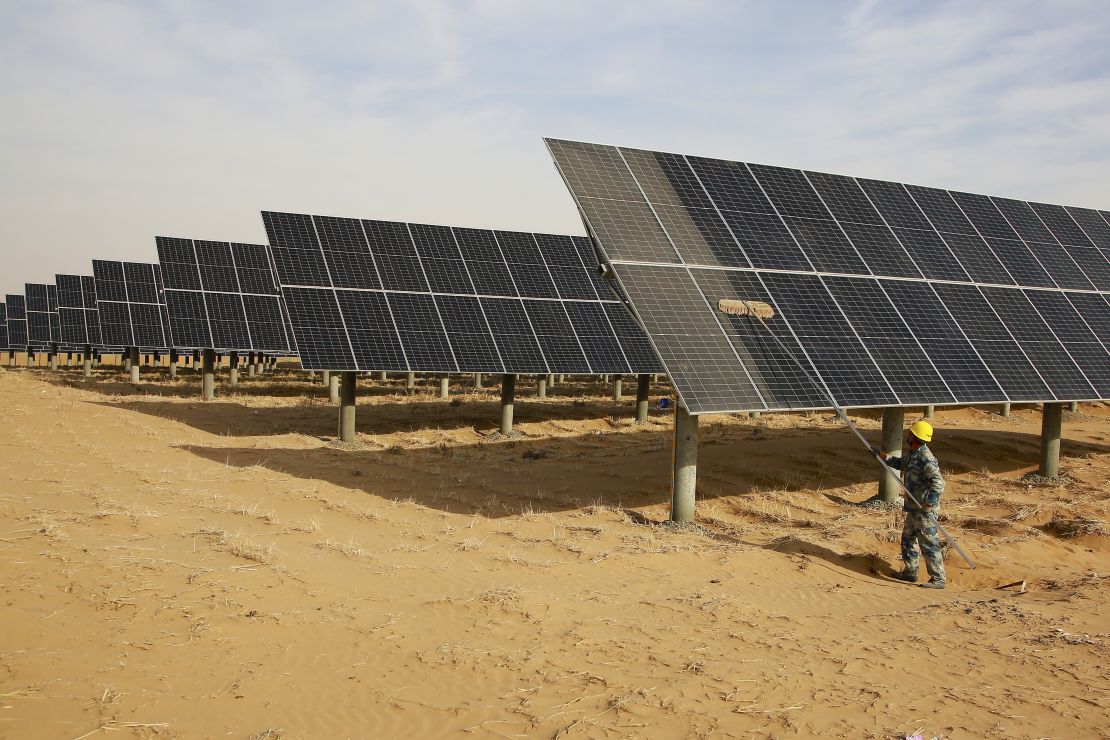
A worker cleans solar panels at a new energy base of Tengger Desert on December 9, 2023 in Zhongwei, Ningxia Hui Autonomous Region of China.

As the need to rapidly wean off planet-heating fossil fuels becomes increasingly urgent, there have been some clean energy bright spots around the world.

On Halloween, Portugal started a record-breaking streak. For more than six days straight, between October 31 to November 6, the nation of more than 10 million people relied solely on renewable energy sources — setting an exciting example for the rest of the world.

The year 2023 is on track to see the biggest increase in renewable energy capacity to date, according to the International Energy Agency.

China, the world’s biggest climate polluter, has made lightning advances in renewables, with the country set to shatter its wind and solar target five years early. A report published in June found that China’s solar capacity is now greater than the rest of the world’s nations combined, in a surge described by the report’s author, Global Energy Monitor, as “jaw-dropping.”

It can’t be ignored, however, that China also ramped up its coal production this year, turning to the fossil fuel as devastating heat waves increased energy demand for air conditioning and cooling, and as persistent drought in the country’s south impacted hydroelectric supplies, which are reliant on sufficient rainfall.

Hopes were raised that the country’s coal production will peak and come down soon, when China and the US in November announced they would resume cooperation on climate change, pledging a major ramp-up of renewable energy, specifically to replace fossil fuels.

A climate deal that targets fossil fuels

COP28 President Sultan al-Jaber, right, celebrates passing the global stocktake with United Nations Climate Chief Simon Stiell, left, and COP28 CEO Adnan Amin during a plenary session at the COP28 U.N. Climate Summit, Wednesday, Dec. 13, 2023, in Dubai, United Arab Emirates.

After more than two weeks of fraught negotiations, the COP28 climate summit in Dubai concluded in December with nearly 200 countries making an unprecedented commitment to move away from fossil fuels.

While the agreement fell short of requiring the world to phase out coal, oil and gas — which more than 100 countries had supported — it did call on countries to “contribute” to a “transition away from fossil fuels in energy systems.” This marked the first time that all fossil fuels, the main drivers of the climate crisis, were targeted in a COP agreement.

COP28 President Sultan Al Jaber, who presided over the negotiations, called the agreement “historic,” adding that the deal represented “a paradigm shift that has the potential to redefine our economies.”

How impactful this deal ultimately is will depend on what countries do next to implement it. Many experts warned of loopholes that could leave the door open to a continued expansion of fossil fuels.

But that a deal was struck at all on fossil fuels was widely welcomed seen as a breakthrough.

“We got people to do things they haven’t done before,” US climate envoy John Kerry told CNN’s Christiane Amanpour after the summit, describing it as a “historic success.”

Plummeting deforestation in Brazil

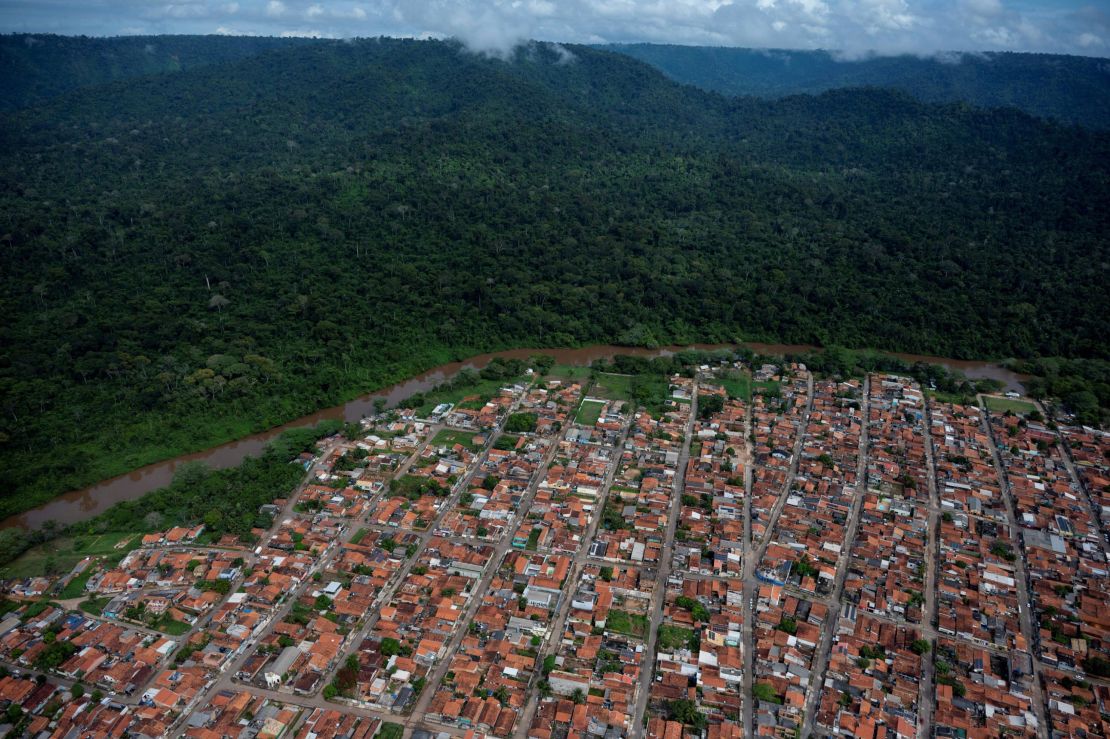
Aerial view of the city of Parauapebas surrounded by Amazon rainforest, in Para state, Brazil on May 17, 2023.

After years of soaring deforestation in the Brazilian Amazon, there was good progress this year in reducing forest destruction.

The Amazon is the world’s biggest rainforest and its protection is seen as vital to curbing climate change. It acts a carbon sink that sucks in planet-heating pollution from the atmosphere. When forests or trees are destroyed, they emit greenhouse gases. Deforestation and land degradation is responsible for at least one-tenth of the world’s carbon pollution.

Deforestation in Brazil fell by 22.3% in the 12 months through July, according to data from the national government, as President Luiz Ignácio Lula da Silva started to make progress on his pledge to rein in the rampant forest destruction that occurred under his predecessor, Jair Bolsonaro.

Marcio Astrini, head of advocacy group Climate Observatory, described it as an “impressive result” that “seals Brazil’s return to the climate agenda.”

Still, Brazil’s deforestation rate remained nearly twice that of its all-time low in 2012. Around 9,000 square kilometers of rainforest were destroyed in the period. There’s a long way to go to meet Lula’s pledge to reach zero deforestation by 2030.

The ozone layer is healing well

The Earth’s ozone layer is on track to recover completely within decades, a UN-backed panel of experts announced in January, as ozone-depleting chemicals are phased out across the world.

The ozone layer protects the planet from harmful ultraviolet rays, but since the 1980s, scientists have warned about a hole in this shield due to ozone-harming substances, including chlorofluorocarbons (CFCs), which were used widely in refrigerators, aerosols and solvents.

International cooperation has helped stem the damage. A deal known as the Montreal Protocol, which came into force in 1989, began the phase-out of CFCs. The ozone layer’s subsequent recovery has been hailed as one of the world’s greatest environmental achievements.

If global policies stay in place, the ozone layer is expected to recover to 1980 levels by 2040 for most of the world, the assessment found. For polar areas, the timeframe for recovery is longer: 2045 over the Arctic and 2066 over the Antarctic.

A study published in November, however, cast some doubt on this progress. The paper, published by Nature Communications, found that a hole in the ozone layer over the Antarctic “has not only remained large in area, but it has also become deeper throughout most of the Antarctic spring.” But some scientists were skeptical of the study’s findings, saying it relied on too short a time period to draw conclusions about the layer’s long-term health.

Electric vehicle sales surge

EV sales have surged to a record high in America this year.

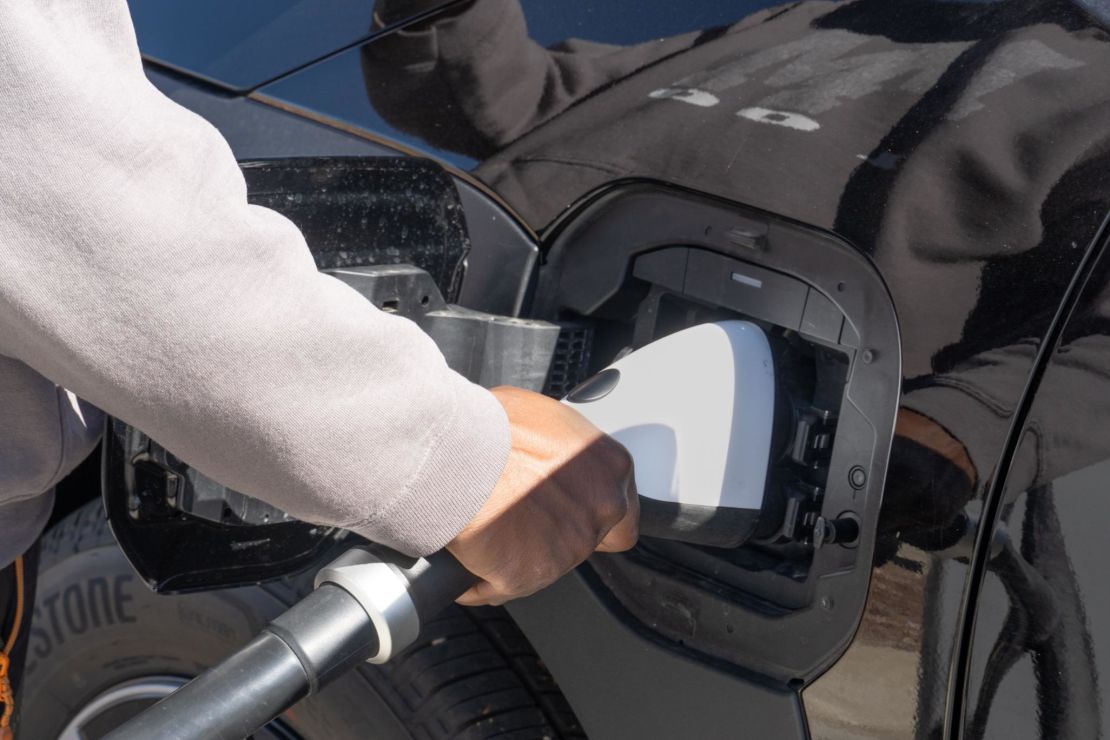
The popularity of electric vehicles has surged this year, with American sales at an all-time high. People in China and Europe are snapping up EVs in large numbers as well.

Electric vehicles — which are better for the planet than gas and diesel-powered cars when they run on renewable energy sources — are key to decarbonizing road transport, which is responsible for around one-sixth of planet-heating pollution globally, according to the International Energy Agency.

Americans purchased 1 million fully electric vehicles in 2023, an annual record, according to a report from Bloomberg New Energy Finance.

Electric vehicles accounted for about 8% of all new vehicles sales in the US during the first half of 2023, according to the report. In China, EVs accounted for 19% of all vehicle sales, and worldwide, they made up 15% of new passenger vehicle sales.

EV sales in Europe were up 47% in the first nine months of 2023, according to data from the European Automobile Manufacturers Association (EAMA). However, car dealers have warned that sales are dropping off as consumers wait for cheaper models, expected in two to three years’ time.

CNN


WASHINGTON, United States, (AFP) – The International Monetary Fund’s (IMF) executive board approved the disbursement of around US$866 million for Jamaica on Thursday as part of two loan programmes designed to strengthen the country’s economy against multiple shocks.

“Important progress has been made on the fiscal reform agenda,” IMF Deputy Managing Director Antoinette Monsio Sayeh said in a statement announcing the completion of the first review into the agreements signed in March.

That progress includes reform of the Caribbean nation’s public wage structure and improvements to its fiscal policy framework.

Jamaica’s economy has bounced back following a challenging period during the COVID-19 pandemic.

The IMF said in March it expects the country’s real GDP growth reached around four percent last year, but warned of risks ahead from a range of factors, including the lingering impact of the war in Ukraine.

On Thursday, the IMF board made available around US$611 million under an agreement it has previously said is designed “to provide insurance against risks from higher commodity prices, a global slowdown, tighter-than-envisaged global financial conditions, and new COVID outbreaks.”

A further US$255 million was made available Thursday under a second loan agreement aimed at strengthening Jamaica’s resilience to climate change and better-preparing it for decarbonisation and the transition to a greener economy.

The Jamaican authorities have been “advancing their ambitious climate policy agenda to increase resilience to climate change and green the economy,” Sayeh said.

Jamaica Observer 

Summers are getting hotter than ever, shattering all-time high temperature records, straining the energy grid and damaging critical infrastructure.

Heat waves also are coming to include another increasingly dangerous element: overnight temperatures that don’t cool down enough to offer sufficient reprieve from oppressive heat, particularly for people without access to air conditioning.

“Most people don’t realize that hot nighttime temperatures have been outpacing daytime temperature increases across most populated regions worldwide in recent decades,” Columbia University’s Data Science Institute postdoctoral research scientist Kelton Minor told CNN.

Hotter nights are a consequence of the climate crisis, scientists have warned. On average, nights are warming faster than days in most of the United States, the 2018 National Climate Assessment found.

“We think it’s because as the days grow warmer, there is more moisture in the air that traps the heat,” the Medical Society Consortium on Climate and Health’s executive director, Lisa Patel, told CNN. “During the day, that moisture reflects the heat, but at night, it traps the heat in.”

Increasing nighttime heat is even more common in cities because of the urban heat island effect, in which metro areas are significantly hotter than their surroundings.

Places with a lot of asphalt, concrete, buildings and freeways absorb more of the sun’s heat than areas with ample parks, rivers and tree-lined streets. At night, when temperatures are supposed to cool down, the retained heat is released back into the air, said University of Washington climate and health expert Kristie Ebi.

Areas with a lot of green space – with grass and trees that reflect sunlight and create shade – are cooler on summer’s hottest days, she said.

“Many cities put together cooling shelters, but people have to know where they are, how to get to them and what hours they operate,” Ebi told CNN, noting city officials must rethink urban planning to consider climate change.

“It’s going to take a while for trees to grow, but we need tree-planting programs focusing on places that are particularly vulnerable, making sure that city planning takes into account that we’re heading into a much warmer future.”

Nighttime should be when our bodies get a break from the heat, Patel said. But with the climate crisis, it’s becoming less likely to happen. Heat-related deaths could increase sixfold by the end of the century due to warmer nighttime temperatures, unless planet-warming pollution is significantly curbed, a 2022 study in the Lancet Planetary Health found.

The climate crisis is already affecting people’s ability to sleep, said Minor, co-author of a study that found people living in warmer climates lose more sleep for each degree of temperature increase. It was published in May in the journal One Earth.

“We all know what it’s like to try to fall asleep on a hot night – it’s uncomfortable,” Patel said. “We often lose sleep. It is estimated that by the end of the century, we could lose about two days of sleep per year, and it will be worse for people without access to air conditioning.”

At its most extreme, when a human body does not get the chance to recover – typically at night – heat stress can progress to heat stroke, which is associated with confusion, dizziness and passing out, Patel explained.

People around the world are already losing roughly 44 hours of sleep every year on average due to warm nighttime temperatures during just the first part of the 21st century, Minor’s study estimated. He calls this “sleep erosion,” noting each person may lose up to 58 hours of sleep by the end of the century.

“People in our study did not appear to make up for lost sleep on hotter nights by napping during the day or by sleeping more during the days or weeks after,” Minor said. “In fact, they lost additional sleep over these periods due to a delayed temperature effect, possibly due to ambient heat being trapped indoors.”

And much like other social issues, the impacts don’t fall equally across communities, he said.

“For every degree of nighttime temperature rise, we found that the elderly lost over twice as much sleep as middle-aged adults, females lost slightly more sleep than males, and critically, residents of lower-middle-income countries lost three times as much sleep compared to people living in higher income countries,” Minor said.

Heat waves that go on for several days tend to be associated with more deaths as the body can no longer keep itself cool, Patel said.

And unless planet-warming pollution is curbed, the climate crisis is set to increase exposure to dangerous heat index levels by 50% to 100% in much of the tropics and by up to 10 times across much of the globe, according to a 2022 study published in Communications Earth & Environment.

“Living through a heat wave during the day can be like running a race,” Patel said. “We need a cool break to recover and recuperate, and when nighttime temperatures don’t drop, we don’t get that critical time we need to relieve the stress on our bodies from being overheated during the day.”

CNN

UN sec-gen bemoans ‘developed world’s’ unfulfilled promise of US$100b to tackle climate change

United Nations Secretary-General Antonio Guterres speaks to the media at a press conference at Jamaica House Media Centre in Kingston yesterday.

UNITED NATIONS (UN) Secretary-General Antonio Guterres has described as “absolutely regrettable” the unfulfilled promises by developed countries to provide US$100 billion annually since 2020, in support of developing countries impacted by climate change.

He bemoaned that the failure by the developed world to make good on their commitment that would assist developing states hit by the effects of climate change was indicative of an injustice of the world system.

“As it is not yet clear that the commitment that was made to double the finance for adaptation will be met, and this has been a huge cause of frustration in the developing world and a pretext for some emerging economies not to do what they also need to do in relation to the reduction of emission,” Guterres argued, during a press briefing at the media centre, Jamaica House in St Andrew.

According to the UN, the Adaptation Fund finances projects and programmes that help vulnerable communities in developing countries to adapt to climate change.

The UN and environmental groups around the world have pressed for urgent reduction in greenhouse gas emissions to limit the impacts of climate change on vulnerable small island developing states, among others.

Guterres made a strong appeal yesterday to the international community, in particular the developed world, “to make sure that we do not wait one minute more to ensure that these two promises are quickly implemented”.

The UN boss was on a two-day visit to Jamaica where he held talks with Prime Minister Andrew Holness.

He also praised Holness for being “a champion in relation to climate action and a champion in relation to an effective reformed multilateral financial architecture in the world”.

The prime minister told Guterres that Jamaica has been experiencing one of its worst droughts in the last six months. He also highlighted that in a matter of weeks the 2023 hurricane season will begin.

According to Holness, the country understands in real ways the impacts of climate change.

He said it is a moral imperative that more developed countries seek to ensure that countries like Jamaica, small-island developing states, who are vulnerable to climate impacts are put in a position where they can adapt to the changing climate.

He argued that there should be some form of reparation for loss and damage caused by the effects of climate change and that these impacted countries also benefit from technologies that could mitigate the impact.

Gleaner

AS THE Adaptation Fund (AF) commemorated Earth Day on April 22, its policies has continued to uphold strong environmental principles while promoting biodiversity and nature-based solutions on the ground within the context of helping vulnerable countries adapt to climate change.

For example, in the small island developing state (SIDS) of Seychelles – a project funded by the AF and implemented by United Nations Development Programme and the Ministry of Agriculture, Climate Change and Environment – is building resilience to the effects of rising sea levels, cyclones and erratic rainfall, such as floods and water scarcity through ecosystem-based adaptation.

These ecosystem-based approaches are securing water supplies, cleaning wetlands, and providing protections against flooding and drought by applying nature-based solutions such as reforestation that enhances upland wetlands and water catchment areas as well as endemic and native plant species, while reducing erosion.

Rehabilitation activities have covered about 3,000 hectares on Mahe and Praslin Islands, which are Seychelles’ largest. The project also includes pilot restoration activities in a Bougainvillea wetland in southern Mahe that has provided a natural engineering gabion weir for water storage.

The ecosystem-based solutions in Seychelles have included livelihood training, while improving climate resilience and restoring natural protections, healthy ecosystems and biodiversity along the way.

Another AF-funded project in Armenia carried out by the Direct Access national implementing entity Environmental Project Implementation Unit is making a difference by strengthening land-based adaptation practices in vulnerable areas next to protected forests such as Khosrov Forest State Reserve and Dilijan National Park.

It is fostering community-based, climate-smart agricultural practices in degraded areas to reduce climate risks on rural livelihoods while sustaining protected areas and improving value chains and accessibility of climate-smart practices and technologies.

“As we celebrate Earth Day, the Seychelles and Armenia projects are great examples of the Adaptation Fund’s concrete adaptation actions on the ground that benefit the most vulnerable groups and the environment at the same time. We see this positive and inter-related dual impact reflected often throughout the fund’s work,” said Mikko Ollikainen, head of the Fund.

Projects like those in Armenia and the Seychelles can be seen across the Fund’s portfolio. More than 20 per cent of the Fund’s portfolio is committed to increase ecosystem resilience in response to climate change, and a majority of AF projects across a range of adaptation sectors contain a complementary NBS component.

Many projects are also creating greener, more sustainable livelihoods in the process. About 610,000 ha of natural habitat have further been restored or preserved, and another 165,000 metres of coastlines protected throughout the portfolio.

Adaptation Fund

Gleaner

Climate education and environmental literacy are the most underestimated and underfunded solutions for adopting eco-friendly practices to end the climate crisis. Investing in education better prepares the next generation to face climate change as it establishes foundational values and solutions for environmental safety. Preparatory courses have the potential to raise awareness about harmful actions and develop a sense of circular and sustainable communities from a young age.

The Education International Manifesto on Quality Climate Change Education for All defines five pillars to help ensure such transformation is possible: (1) include governmental oversight on quality climate change education to guarantee students become climate-literate, (2) coursework based on science, (3) addressing the ethical, cultural, political, social and economic dimensions of climate change, (4) well-trained teachers, and (5) transformed school and learning environments to support climate literacy.

Even though effective methods of climate literacy implementation are widely available to governments, only a few countries have incorporated climate education into their school curriculum. According to the Climate Change Education Ambition Report Card, every country failed this commitment based on their submissions to the UNFCCC. The progressive countries on climate education with the highest real score include Cambodia (58%), Dominican Republic (51%), Colombia (50%), and Vanuatu (50%).

While the Paris Agreement emphasized the role of education and training to empower the public to make ethically informed decisions, countries who are committed to the treaty — including the US and China — have yet to implement an extensive and systemic reform on climate education. UNESCO exposes the tragic truth as reports show Africa and Oceania have considerably more climate change content, whereas Central and Southern Asia have the least. Countries most vulnerable to climate change are more likely to include climate literacy in their national curriculum frameworks than those primarily responsible for the emissions causing climate change.

The total negligence of climate literacy has disastrous implications for the countries as it not only jeopardizes the well-being of citizens and the safety of the environment, but also misses the chance to reverse climate change impact with proper education and professional development. For instance, well-trained architects and engineers can get the upper hand in the fight against climate change as they apply engineering principles that reduce the impact of major industrial activities. The Bureau of Labor Statistics already projects that the number of jobs for environmental scientists and specialists will increase by 8% between 2020 and 2030, signifying the priority for climate literacy inclusion in the school curriculum.

Llearning about environmentally conscious practices encourages changes in young people’s attitudes and behavior and helps them to adapt to climate change-related trends. Further progress intensely relies on our commitment to provide quality education in schools to prepare the younger generation for immediate climate change consequences and expose them to environmentally safe practices.

EARTHDAY.ORG’s Climate and Environmental Literacy Campaign is committed to ensuring that students worldwide have access to high-quality climate change education to support upcoming generations’ conscious and informed decisions. To successfully execute this commitment, demand global leaders at the United Nations Framework Convention on Climate Change commit to compulsory, assessed climate and environmental education with a robust civic engagement component at COP28 this November.

Earth Today

It’s all over except the shouting

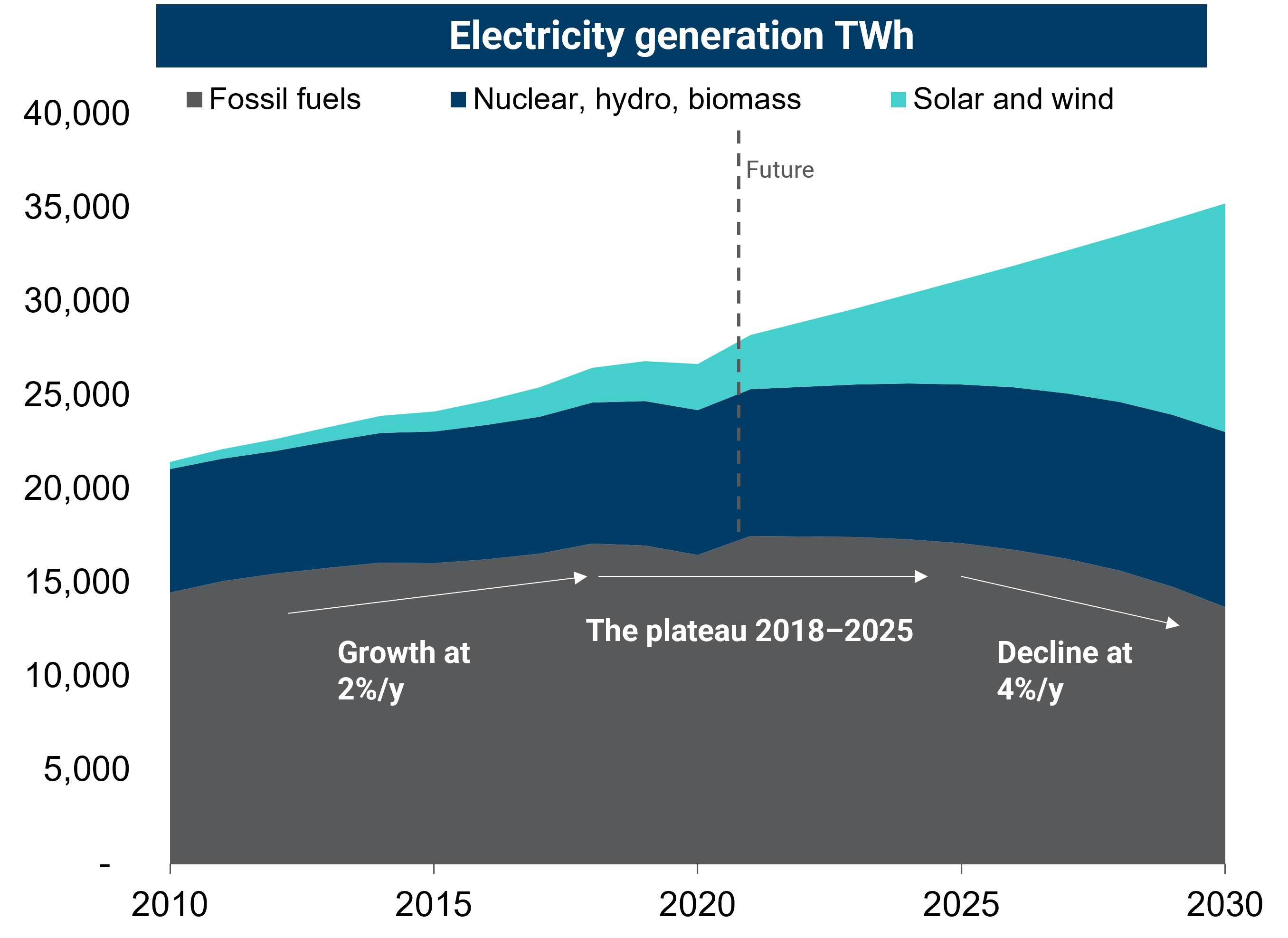
The latest installment of The Peaking Series shows demand for fossil fuels has peaked in the electricity sector. It will plateau for a few years and be in clear decline by the second half of the decade.

The key driver of change is the rapid growth of solar and wind electricity generation on typical S-curves, driven by low costs, a shift of global capital, and the rising ceiling of what is possible.

In 2022, solar and wind will produce 600–700 TWh of new electricity. Added to the 100–200 TWh from other clean sources makes it enough to meet projected global electricity demand growth of around 700 TWh.

The story just gets better and better as solar and wind advance further up the S-curve. Solar and wind generation will increase at least threefold by the end of the decade, pushing fossil fuel electricity into terminal decline.

Electricity generation in THw graph

This is a global phenomenon. Fossil fuel demand for electricity has peaked in 95 percent of the OECD countries and 31 percent of the non-OECD countries excluding China. Chinese demand is about to peak as the 2030 renewable deployment goals are hit before 2025. India is choosing its own path to development, based on growth from renewables. And renewables offer new solutions for Africa.

There are plenty of barriers to change, but none of them are insoluble, immediate, and universal so cannot maintain the status quo. The ceiling of change is far above our heads and disruption of the incumbent fossil fuel system is thus inevitable.

RMI

Minister of Science, Energy and Technology Dr Andrew Wheatley (left), interacts with students of the Merl Grove High School in Kingston on Wednesday. Also pictured (from second left) are president and chief executive officer of the Jamaica Public Service, Emanuel DaRosa; and principal of Merl Grove, Dr. Majorie Fullerton.

Minister of Science, Energy and Technology Dr Andrew Wheatley said the Government is leading by example and saving money as it works to encourage Jamaicans to use energy responsibly.

He noted that through various initiatives under the Energy Efficiency and Conservation Programme (EECP), the aim is to ensure that government ministries, departments and agencies (MDAs) become a model for the rest of the society in terms of energy management.

“We believe that if we as the public sector show the rest of Jamaica how we are saving as it relates to managing electricity, (by) cutting down our electricity bill, it will not only act as a perfect example, but also you will see the workers within the public sector bringing to their homes, their communities, the practices that we are doing within the public sector,” he said.

Dr Wheatley was speaking at a ceremony for the relaunch of the JPS Foundation Energy Club at Merl Grove High School in Kingston on Wednesday.

He informed that the Government has realised $135 million in savings to date under the EECP.

LOWER CONSUMPTION

The initiative, being implemented by the Petroleum Corporation of Jamaica through funding from international partners, aims to retrofit a range of government facilities, including public health, administrative and educational buildings, and facilitate training in best practices for energy efficiency and conservation.

Some of the conservation measures undertaken include coating glass windows/doors to reduce the amount of heat entering buildings; improving the cooling system by using more energy-efficient air-conditioning units; and installing cool-roofing systems.

Over 40 government facilities from the health, finance, education and security sectors have, so far, been retrofitted with solar-control film, cool-roof solutions or energy-efficient air-conditioning systems.

To ensure continued responsible energy use at government facilities, Dr Wheatley pointed out that just last month, an Energy Efficiency and Conservation Standards Guide was launched, which contains standards to which MDAs will be held accountable in order to lower electricity consumption.

The guide, which will be made available in April, was developed through the EECP.

Gleaner

The Public Service Company of New Mexico is asking for project proposals, including renewables and battery storage, designed to help reach its coal-free goal by 2031.

It’s an ambitious, audacious goal.

In its 20-year 2017 Integrated Resource Plan submitted to the New Mexico Public Regulation Commission (NMPRC)earlier this year, Public Service Company of New Mexico (PNM) announced its intentions to be coal-free by 2031. Now it’s taken the first steps toward reaching those goals.

Last week, the state’s largest utility issued a request for proposals (RFP) for 456 MW of new generation resources, including renewable resources and battery storage. The RFP is predicated on the assumption that the utility’s San Juan Generating Station does not continue to operate post 2022.

The inclusion of battery storage in the RFP is part of a new NMPRC mandate that all the state’s utilities include those options in their future plans. The mandate was implemented in August.

In its August decision, the NMPRC said the original 2008 regulation that mandated IRPs didn’t take storage into account because the technology wasn’t sophisticated enough, and what did exist was too expensive. Now the technology is more easily deployable, adding them to the list of requirements makes far more sense – and PNM has taken the commission’s requirements into consideration with its new RFP.

But with new technologies available and prices coming down, the NMPRC decided the time was right to add it to the data requirements included in the reports.

PNM wants proposals that will help its portion of the grid provide the necessary reliability requirements and minimum operating resources that will meet North American Electric Reliability Corporation (NERC) and Western Electricity Coordinating Council (WECC) criteria.

PV Magazine