
– Maximizing Your Solar System During Hurricane Melissa
Editor’s Note: This updated advisory reflects Jamaica’s upgrade to a Hurricane Watch as Hurricane Melissa approaches.
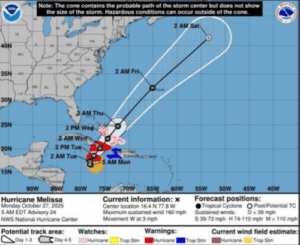
As Hurricane Melissa moves across the Central Caribbean Sea, Jamaica has been placed under a Hurricane Watch, with potential for heavy rains, strong winds, and possible power interruptions.
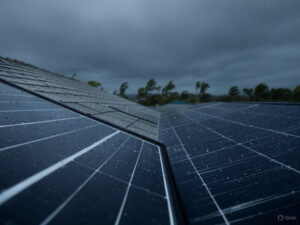
For SolarBuzz system owners, this is the ideal time to take proactive steps to keep your solar energy system operating at peak efficiency and ensure continuous resilience against any grid-supply interruptions.
Our systems are designed and installed to deliver reliable performance and energy security even in challenging weather. Like any high-efficiency system, they operate at their best when used strategically during extreme conditions.
This guide offers practical reminders on conserving energy, prioritizing battery charging, and maintaining system efficiency with recommendations to help you stay powered, comfortable, and safe throughout the storm.
The goal is to minimize unnecessary energy use, maximize stored power, and adapt smartly to reduced sunlight during overcast conditions.
⚡ 1. Unplug and Power Down Non-Essential Appliances and Equipment
Even the most efficient solar system performs at its highest potential when paired with good energy habits.
During a storm, every watt saved contributes to longer battery runtime and uninterrupted comfort.
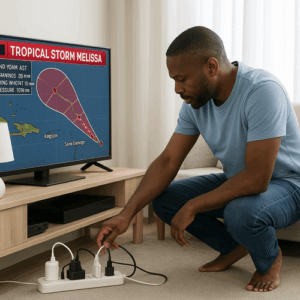
Unplug and switch off all non-essential devices, including:
- Gym equipment – such as treadmills or ellipticals which often draw standby power.
- Extra refrigerators or freezers – if not in full use, as they require significant energy to maintain temperature.
- Electronics – such as gaming consoles, decorative lighting, and unused chargers.
- Deep freezers – Avoid opening doors unnecessarily to maintain cold air and preserve your food items.
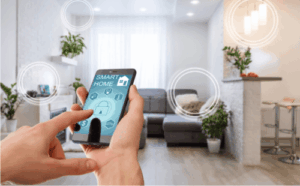
- Smart home devices – in unoccupied rooms, including smart bulbs and unused air-conditioning units.
Keep only essential items connected for example, your Wi-Fi router, refrigerator, and a few lights or fans.
Conduct a quick home energy audit by walking through each room and identifying devices that draw power when idle. Power strips make it easier to turn multiple items off at once.
Prepare an emergency kit with items such as solar-powered flashlights (available at SolarBuzz) and non-perishable food that doesn’t require cooking to reduce use of your electric stove.
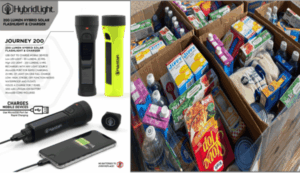
These steps alone can reduce overall consumption by up to 20–30%, giving your batteries more flexibility and preserving stored energy for essential needs.
🏊 2. Turn Off High-Consumption Outdoor Equipment
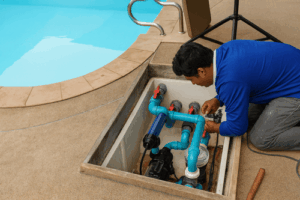
Outdoor electrical systems like pool pumps, fountains, and irrigation systems can have high power draws and are usually non-essential during storm periods. Switch them off until the weather clears.
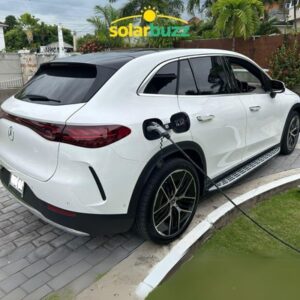
If you have an electric vehicle (EV), charge it during daylight hours once your batteries are fully charged, then unplug the charger to protect it from possible surges.
For solar-powered outdoor features such as garden lights, set them to low-power modes or turn them off to conserve internal batteries.
Redirecting energy away from these systems ensures more power is available for your core household or business operations.
☀️ 3. Optimize Charging Before and During the Storm
Although cloud cover can limit sunlight, SolarBuzz systems are engineered to maintain strong performance even under diffuse light. To secure the best backup capacity:
- Monitor the storm – Monitor the storm closely via local news and weather updates and temporarily switch your solar system to JPS/grid mode if possible and where applicable.
- Use solar monitoring apps – At SolarBuzz, we encourage our clients to use their online monitoring app to track panel output, battery levels, energy usage and switch to JPS where applicable to allow the panels to focus on fully charging batteries, building a robust power reserve. Once fully charged, revert to solar use for clean, independent energy.
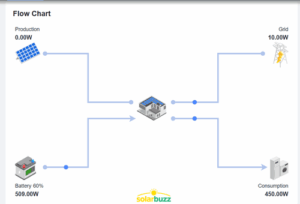
- EV Charging – Charge your EV during sun hours after the batteries of your solar system are at full charge.
- Pre-charge batteries – Charge batteries to 100% before storm conditions intensify.
- .Generator owners – Perform a quick test run and use your generator sparingly to supplement charging if solar input is limited.
These actions help ensure your system is fully charged and ready to deliver steady power even if grid service is interrupted.
❄️ 4. Minimize Air Conditioning & Cooling Demands
Air conditioning is one of the largest household power consumers.
During cloudy or rainy periods:
- Use A/C units only in occupied rooms, and set temperatures between 24–26°C for efficiency.
- Use smart controls like the Sensibo Sky (available at SolarBuzz) to schedule A/C operation during daylight hours when panels are producing most energy.
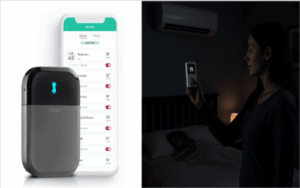
- Rely on fans or natural ventilation whenever possible; storms often bring cooler air that reduces the need for heavy cooling.
If your home has tinted windows or glass doors, maximize the benefits of your window film solution by using ceiling fans to circulate air effectively. These adjustments will extend stored power and help maintain comfort without strain on your system.
🌬️ 6. Secure Your Solar Infrastructure
SolarBuzz systems are engineered to withstand Jamaica’s tropical climate, but a quick pre-storm check ensures optimal readiness.
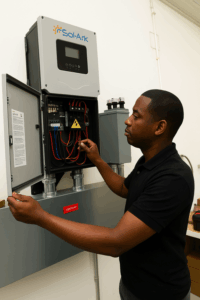
Before the weather worsens:
- Verify that your inverter and battery systems display normal operation with no alerts.
- Make sure breakers and electrical connections are properly secured and protected from moisture.
- Protect your equipment from rain, especially your battery storage area. Keep batteries covered and sheltered from direct exposure to water or humidity.
- Cover any fully exposed EV chargers to prevent rain or debris from entering the unit. Waterproof covers or heavy-duty plastic sheeting can provide an extra layer of protection.
- Trim any overhanging branches that might fall on panels.
- If you already have security window film installed, check that it remains intact and properly sealed. For those without it, consider this a worthwhile post-storm upgrade (available at SolarBuzz) to help reinforce glass surfaces before future weather events.
 I
I
If you observe anything unusual, contact your solar service provider for guidance or assistance before the storm intensifies.
🕯️ 7. Prepare for Extended Cloud Cover
If Hurricane Melissa lingers or leads to several days of limited sunlight, we encourage that you:
- Conserve stored energy by reducing non-essential usage.
- Use LED bulbs and energy-efficient devices.
- Delay use of heavy-load appliances such as dryers, ovens, electric stoves and large motors until conditions improve.
Smart energy conservation ensures your system continues to deliver consistent, reliable power, even during extended cloudy periods.
Turning Storms Into Strength
Every storm reminds us of the importance of energy resilience and the value of preparation.

At SolarBuzz, we view Hurricane Melissa as an opportunity to empower our clients through knowledge, strengthen readiness, and reinforce confidence in Jamaica’s sustainable energy future.
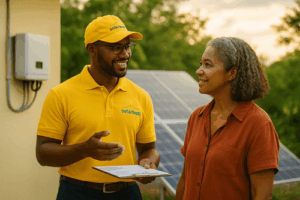
Our systems are designed for strength and reliability, ensuring you remain powered through any challenge. By following the proactive steps outlined in this guide, you can optimize your system’s performance and maintain comfort and stability throughout the storm.

Our team remains available, as weather conditions allow, to provide guidance and support before, during, and after the hurricane.
SolarBuzz remains committed to advancing renewable energy solutions that support continuity, sustainability, and resilience for all Jamaicans.

Stay informed. Stay safe. Stay powered.
From The SolarBuzz Team
Deidre Wedderburn is the Client Relations Manager at SolarBuzz, dedicated to building long-term partnerships and delivering a top-tier client experience (deidre@solarbuzzjamaica.com).