Editor’s Note:
In recent client communications we noted that changes to China’s export policies for solar equipment could influence global pricing and supply dynamics. Because Jamaica’s solar market remains closely connected to international supply chains, developments abroad often shape local procurement conditions. As promised, this edition examines what these developments may mean for Jamaica’s growing solar market.
The global solar supply chain is entering a period of adjustment. China, the world’s largest producer of photovoltaic equipment, has announced changes to export tax rebates that have historically helped stabilize international solar pricing. This policy adjustment is expected to influence global supply chain dynamics and is likely to affect international solar pricing structures over time.
Under the new policy framework, export VAT rebates for photovoltaic products, including solar panels, cells, wafers, inverters, and other PV system components will be eliminated beginning April 1, 2026. Export rebates for batteries will decline from 9 percent to 6 percent in April 2026 before being fully eliminated on January 1, 2027.
As these incentives are phased out, procurement patterns, equipment availability, and ultimately the economics of solar installation in import-dependent markets such as Jamaica are likely to be affected. These rebates have historically helped offset exporters’ tax burdens, lowering international prices. Their removal raises the underlying cost structure for manufacturers unless those costs are absorbed through narrower margins.
“Removing export rebates raises the cost base for solar manufacturers unless those costs are absorbed through tighter margins.”
Storage-inclusive solar systems, which are increasingly important for backup reliability, may remain relatively stable through much of 2026 but still warrant proactive planning ahead of the more significant pricing adjustment expected in 2027.
While global competition may soften the full pass-through of these costs, the policy nonetheless introduces a structural adjustment in the international solar equipment market. Over the medium term, China’s policy adjustment may also enhance the competitiveness of alternative manufacturing hubs in Southeast Asia, India, and Turkey, encouraging gradual diversification within global solar supply chains.
Global Procurement Pressures
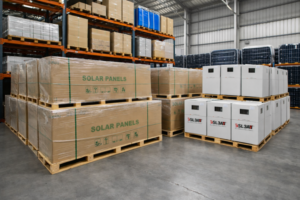
Ahead of April 2026 and its domino effects, international buyers are expected to accelerate purchases to secure current pricing structures. This “front-loading” effect typically results in shorter quotation validity periods, allocation-based supply, and temporary tightness in availability.
“Many buyers are already positioning to secure supply ahead of the policy deadlines, tightening inventory availability.”
For Jamaica, an import-dependent solar market closely tied to China-centered supply chains through regional distributors, these movements are most likely to appear first in the form of extended lead times and inventory allocation pressures, followed by incremental adjustments in landed equipment costs.
Projects quoted locally in Jamaican dollars but procured in U.S. dollars may experience an additional layer of volatility, as shifts in global pricing interact with exchange-rate movements and freight dynamics.
“Solar projects priced in Jamaican dollars but procured in U.S. dollars may face additional volatility as global prices shift.”
Many buyers globally are already positioning to secure supply ahead of the implementation dates, a development that may place additional pressure on inventory availability and procurement timelines in the months ahead.
Gradual Upward Pressure on Solar Installed Costs
Although market competition may absorb a portion of the change, removing export rebates increases the underlying cost base for manufacturers. Solar module pricing may therefore face upward pressure from the second quarter of 2026 onward.
Beginning in April 2026, export rebates for batteries will decline from 9 percent to 6 percent, introducing a modest increase in export-level costs that could translate into several percentage points of upward pressure on battery pricing, depending on how much manufacturers absorb through margins. A more material adjustment may emerge heading into 2027, when the remaining rebate is fully removed.
Additionally, the front-loading of purchases by international buyers is expected to create temporary global supply tightness in the first half of 2026. With demand for solar equipment remaining strong in import-dependent markets such as Jamaica, this short-term scarcity may exert incremental upward pressure on pricing in the near term, compounding the direct effect of the removed export rebates.
For Jamaican homeowners and commercial operators considering solar installation, the implication is relatively straightforward. The current procurement window may offer comparatively stable pricing conditions relative to what could emerge in 2026–2027.
“The current procurement window may offer relatively stable pricing compared with what could emerge in 2026–2027.”
Financing Pathways for Solar Adoption
Institutional Financing Channels
A growing number of financial institutions, including JMMB, EXIM Bank, First Global Bank (FGB), CIBC and Lascelles Employees & Partners Co-operative Credit Union, offer structured financing solutions that allow solar systems to be integrated into broader property or energy investments. In many cases, once a system satisfies local insurability standards, it may serve as secured collateral within these financing arrangements.
“Once a solar system meets insurability standards, it becomes an energy asset and a financeable component of the property.”
Solar Buzz systems are designed and installed to meet the insurability standards required within Jamaica’s insurance industry. As a result, these systems can typically be incorporated into a homeowner’s existing property insurance coverage, allowing them to function not only as an energy asset but also as a financeable component of the property itself.
National Housing Trust (NHT) Financing Programmes
The National Housing Trust (NHT), in particular, provides two notable pathways for homeowners seeking financing of solar energy into their properties:
- Smart Energy Loan
Available to all NHT contributors for solar energy installations, offering financing of up to J$2.5 million.
- Home Improvement Loan
Providing up to J$5 million, this facility allows homeowners to undertake structural improvements such as roof repairs or roof adjustments required for solar readiness, while also financing the installation of a solar system.
With interest rates typically ranging from approximately 3 percent to 5 percent and repayment periods extending up to 30 years or until retirement, the Trust’s programmes create a rare alignment of long-term financing and energy infrastructure investment.
For many homeowners, this creates a practical pathway to address structural upgrades and solar installation within a single financing structure, strengthening both the physical resilience of the property and its long-term energy cost stability as Jamaica approaches another hurricane season.
Looking Ahead: Solar Adoption in Jamaica
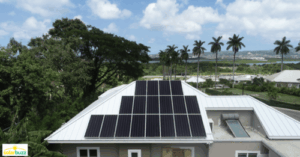
China’s export policy adjustment does not signal disruption so much as it serves as a reminder that global energy markets are continually evolving.
As international buyers adjust procurement strategies ahead of the upcoming policy deadlines, Jamaican households and businesses evaluating solar energy solutions may wish to factor these developments into their planning.
With appropriate timing, sound financing structures, and well-designed solar systems, solar continues to offer a practical pathway toward greater energy resilience and long-term cost stability.
Jamaica’s abundant solar resource, combined with expanding financing pathways, means that thoughtful planning today can help position homeowners and businesses to navigate the evolving energy landscape with greater confidence.
By Deidre Wedderburn
Deidre Wedderburn is Client Relations Manager at SolarBuzz, supporting homeowners and businesses across Jamaica as they transition to solar energy.
deidre@solarbuzzjamaica.com