
Solar energy is a low-risk, high-return investment offering lower utility bills, increased property value, and energy security.
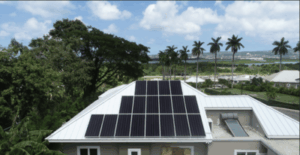
However, not all solar systems are created equal.
To protect and maximize your investment, it is crucial to work with experienced providers using quality equipment and forward-thinking system designs.
This guide outlines what to look for when selecting a solar company for the purchase or financing of a solar system.
1. High Quality Equipment
1.1 Choose premium quality solar panels, inverters, batteries and other components to ensure system durability and longevity. Ensure that the solar provider uses equipment with high efficiency and performance ratings so as to protect against early system failure and minimize costly replacement.
1.2 Choose batteries, panels, inverters with lifespans of 15 – 20 years to ensure consistent energy production and cost savings. Similarly, select equipment with long warranties – 25 years for panels and 10 to 15 years for batteries – to secure system longevity and return of investment.
1.3 Prefer Lithium Phosphate Iron (LFP) batteries that can discharge fully very quickly for enhanced reliability during any extended grid outage.
2. Safe and Compliant Installations

2.1 Ensure system installations are done up to Jamaica’s electrical code to pass any GER inspection that is required for solar tax credit or net billing applications.
2.2 The solar provider has a standard of engineering systems to withstand hurricane-force winds beyond national grid resilience. Presently, the national grid’s resilience is at CAT-3 hurricane force winds.

2.3 Choose companies that design, install, and maintain systems according to insurance policy standards so as to manage risks effectively.
3. Data-Driven System Design
3.1 Systems are engineered using actual energy usage data and not estimates derived from (JPS) energy bills.

3.2 A data-driven approach helps to determine whether a grid tie or battery based system best meets a household’s energy needs.
3.3 Companies that offer data-driven designs reduce the risk of underperforming systems so lenders can be assured of consistent energy savings to support loan repayments.
4. Expertise in Optimizing System Design
4.1 Design systems with scalability in mind to accommodate future needs without costly overhauls.
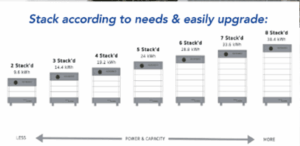
4.2 Advise on optimal panel placement based on roof orientation and whether or not any structure is needed to host additional panels.
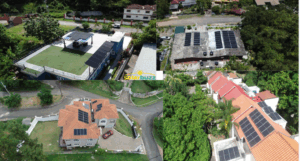
4.3 Balance current and future energy needs to secure long-term investment value.
5. Use of Modern, Insurable Equipment
5.1 System designs include advanced technology that maximizes returns at no added cost for example Bifacial panels that can generate up to 60W more per panel when installed at a tilt.
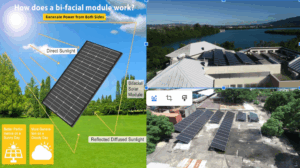
5.2 Include an online monitoring app for real-time system performance insights and proactive solar provider support.
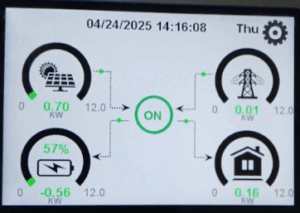
5.3 Choose solar providers with an active maintenance program that is designed to meet insurance standards.
6. Energy Consultation and Cost Savings Projections

6.1 Installers should be able to advise on how to maximize daytime energy production while preserving batteries for nighttime use.
6.2 Solar providers should be able to assess if net billing is feasible and explain how it can boost savings.

6.3 System design should include projected energy savings and how financing impacts payback periods.

7. Experience with Proven Expertise
7.1 Partner with companies with at least 10 years in the industry that have a proven track record.

7.2 Partner with companies that understand the local energy landscape and are familiar with a wide range of equipment, as this gives them the ability to tailor solutions for differing energy needs.
7.3 Select companies that invest in research, training and staying up to date on new technologies, as this makes them better equipped to meet evolving energy demands.
8. After-Sales Support and Warranty Assistance

8.1 Ensure the solar provider offers accessible support for system settings, monitoring and consultation, and upgrades.
8.2 Choose solar providers with an active maintenance program that helps to secure system longevity and optimal performance.
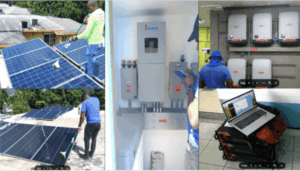
8.3 Partner with companies that are able to handle warranty claims including upgraded replacements if models are discontinued.
9. Reputation, Visibility and Advocacy
9.1 Select companies with strong online visibility, positive reviews, client testimonials, and references.

9.2 Choose solar companies that actively advocate for client interests in energy policy discussions.
9.3 Verify if the solar provider has partnerships with reputable lenders such as banks, the National Housing Trust (NHT) and Development Bank of Jamaica (DBJ).
10. Guidance on Government Policies and Incentives
10.1 Partner with solar providers who are knowledgeable and experienced about net billing policies and application procedures.

10.2 Solar companies should offer administrative support and guidance with government incentives such as the recently implemented solar tax credit. This is key especially in cases where the incentive can significantly impact the payback period of your solar investment.
10.3 Prefer providers who actively engage in policy advocacy to protect client interests.

Invest with Confidence
Solar is a proven solid investment but only when approached with quality, foresight, support and expertise.
Prioritizing high-quality equipment, data-driven system designs, safe installations and reliable post-installation support secures optimal system performance and return on your investment.
Choosing an experienced, accessible solar provider who can navigate policies and advocate for your interests is key to making your solar journey profitable, sustainable, and hassle-free.
Deidre Wedderburn is the Client Relations Manager at SolarBuzz, dedicated to building long-term partnerships and delivering a top-tier client experience (deidre@solarbuzzjamaica.com).